.svg)
.svg)
26.1.2026
.svg)
Beitragsübersicht
.svg)
For many travellers, Oman is the embodiment of One Thousand and One Nights. But it is more than that.
For us, it was above all the wonderful combination of warm temperatures, spectacular landscapes, a fascinating culture, and incredible hospitality that made our journey through the Sultanate so special.
In addition, Oman is a very safe travel destination and has so far remained largely untouched by mass tourism.
It is therefore quite possible that you will find yourself completely alone on wide, unspoilt beaches or out in the vast desert landscapes.
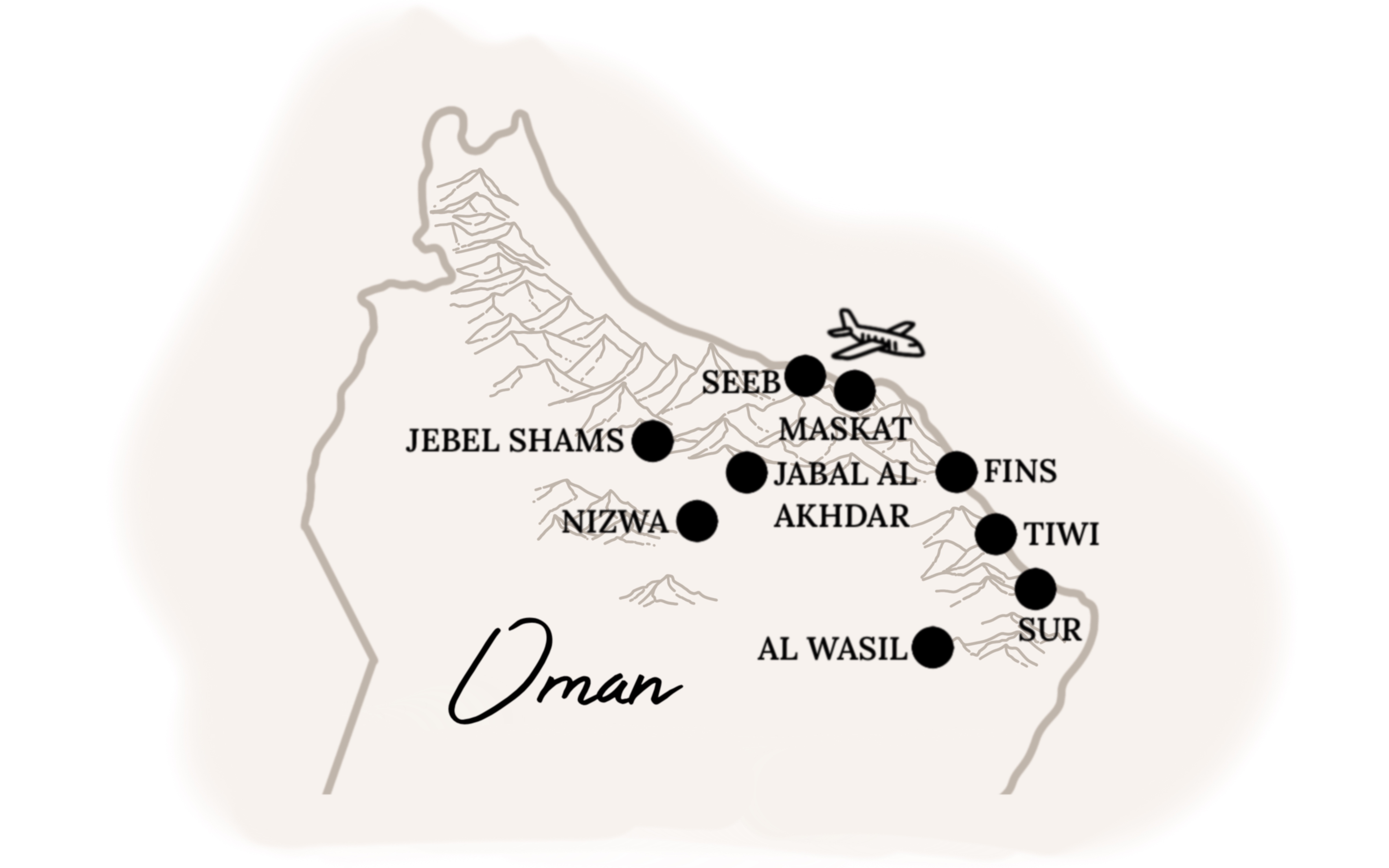
In this post, we share the highlights we experienced during our road trip through the northern part of the country, between Muscat, the coast, wadis, desert regions, and mountain landscapes, and show you which sights you can discover along the way.
By the way, you can find the full route to follow or use as inspiration in our post Oman Road Trip Itinerary for Self Drivers.
GETTING AROUND IN OMAN
In Oman, you generally have two options: you can join an organised tour or explore the country independently by rental car.
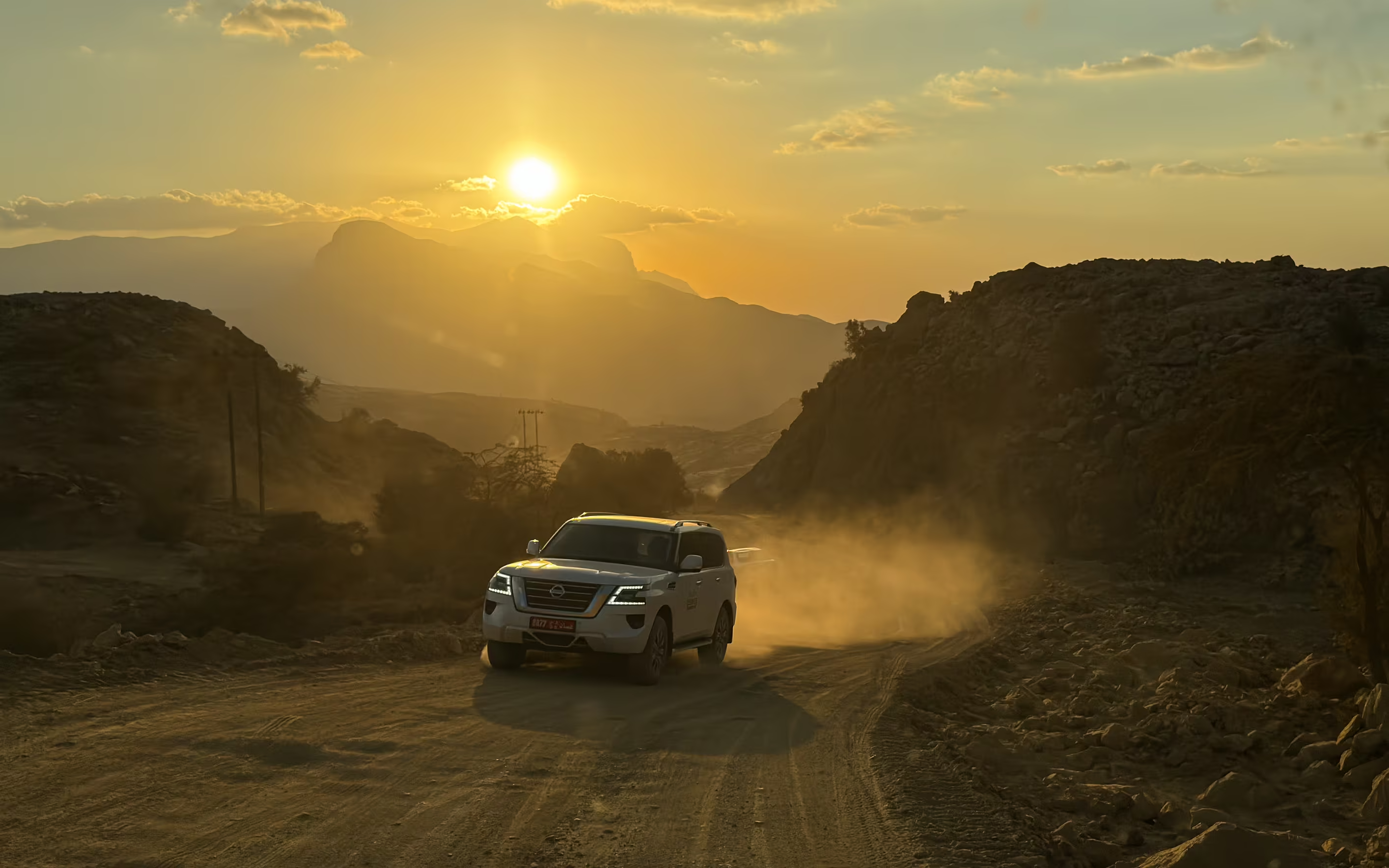
As distances between towns and sights are often long and driving times can be significant, it quickly became clear to us that travelling by rental car was the best option.
A rental car offers maximum flexibility. You can travel at your own pace, stop spontaneously whenever you like, and reach more remote highlights that are often not included in organised tours. Travelling independently always comes with a sense of adventure, and Oman certainly has plenty of that to offer.
We booked our rental car in advance via DiscoverCars and were very satisfied with the service.
You can find detailed information on booking a rental car, local road conditions, and whether you really need a 4x4 vehicle for your trip in our separate post Driving in Oman: Car Rental Tips, Road Conditions & What to Know.
THE RIGHT ACCOMMODATION IN OMAN
As we decided against a rooftop tent and chose to stay in hotels and apartments instead, we can share our experiences on this topic with you.
A road trip through Oman is full of unforgettable moments, but it can also be physically demanding at times. Long driving days, high temperatures, and constant new impressions take their toll.
This makes it even more important to arrive at an accommodation in the evening where you can truly relax and unwind.
To save time and stress while travelling, it is worth booking at least some of your accommodation, or even all of it, in advance.
This ensures that you find places that suit your needs and helps you avoid last minute decisions that may be overpriced or simply not a good fit.
We booked our accommodation through booking.com and had very positive experiences.
Our tip: choose accommodation with free cancellation so you can stay flexible despite having a plan.
MUSCAT
Our accommodation: Fraser Suites Muscat
Recommended stay: 1 to 3 days
Our road trip both started and ended in the capital, Muscat, which is home to the country’s main international airport.
You can find a detailed overview of the sights and highlights we experienced during our time in Muscat in our post Discover Muscat: Sights & Tips for Oman’s Capital.
FINS
Our accommodation: Kyan_Caravan
Recommended stay: 1 to 2 days
From Muscat, our route took us to the north eastern part of the country, close to the small town of Fins. Our main goal here was simple: finally reaching the sea.
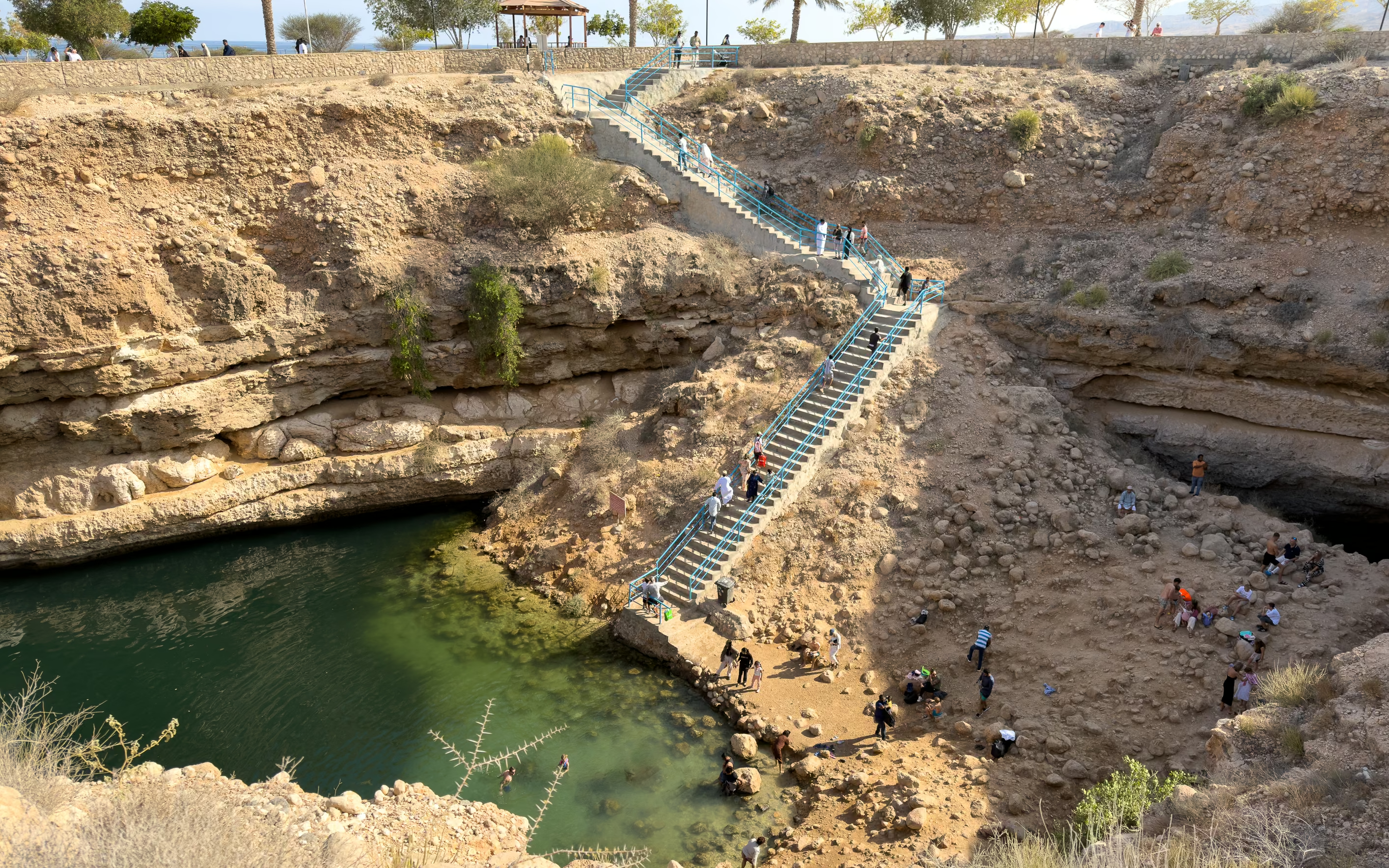
On the way, we also passed the well known Bimmah Sinkhole. Whether as a short photo stop or a refreshing swim on the way towards Sur, this spot is perfect for a break.
Bimmah Sinkhole is a crater around 50 metres wide and about 20 metres deep, filled with water shimmering in beautiful shades of turquoise and blue.
This natural wonder was formed by the collapse of limestone that had been eroded by seawater over centuries.
An underground connection to the ocean allows fresh and salt water to mix here, giving the water its distinctive colour.
A well built staircase leads down to the water, where you can cool off and go for a swim. As the water at the entrance is very shallow, swimming here is also possible with children under supervision.
Entry is free of charge. There is plenty of parking available on site, as well as changing rooms and toilets.
Our tip: the earlier you arrive, the fewer people you will encounter. With a bit of luck, you might even have the sinkhole all to yourself.
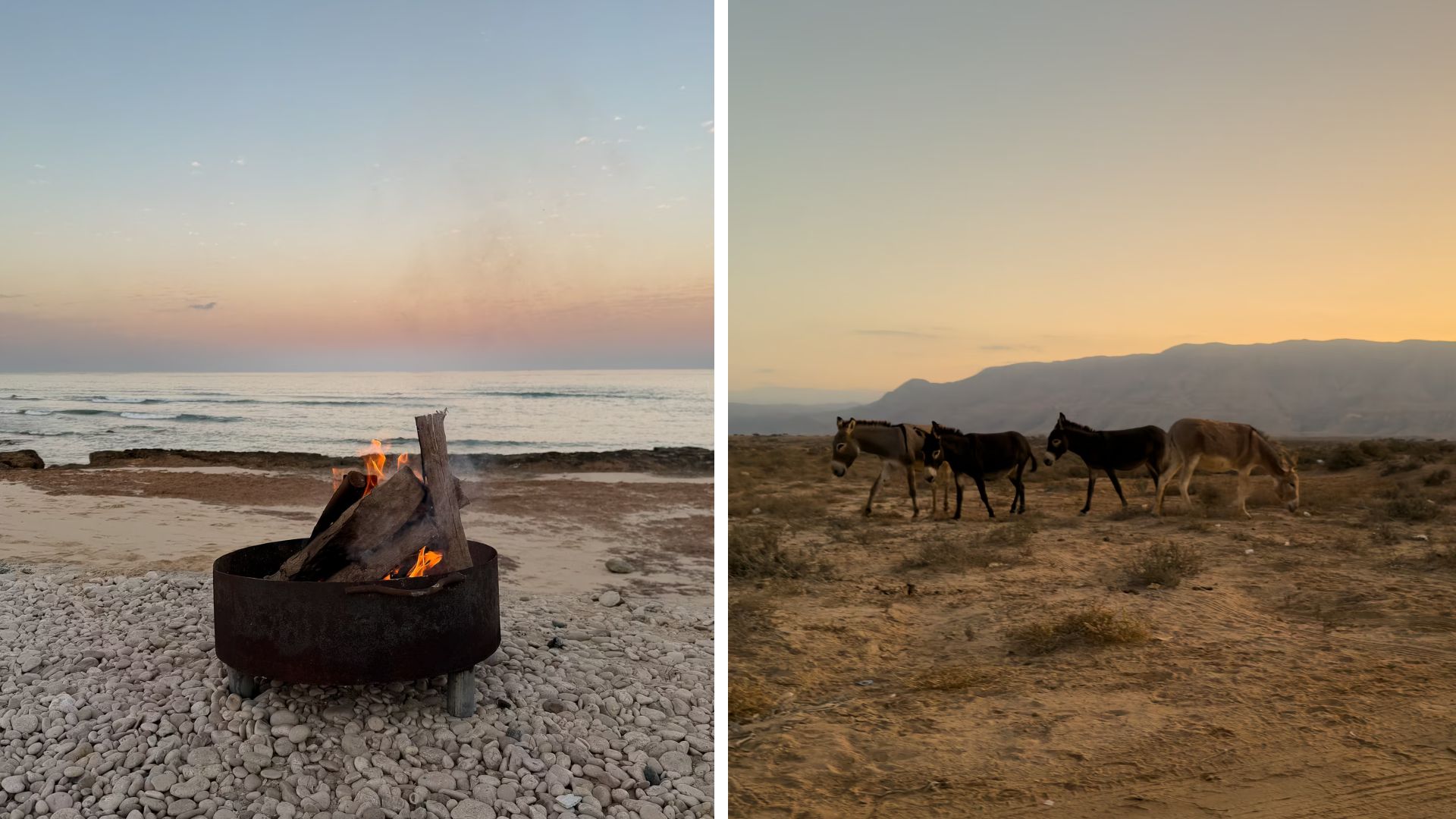
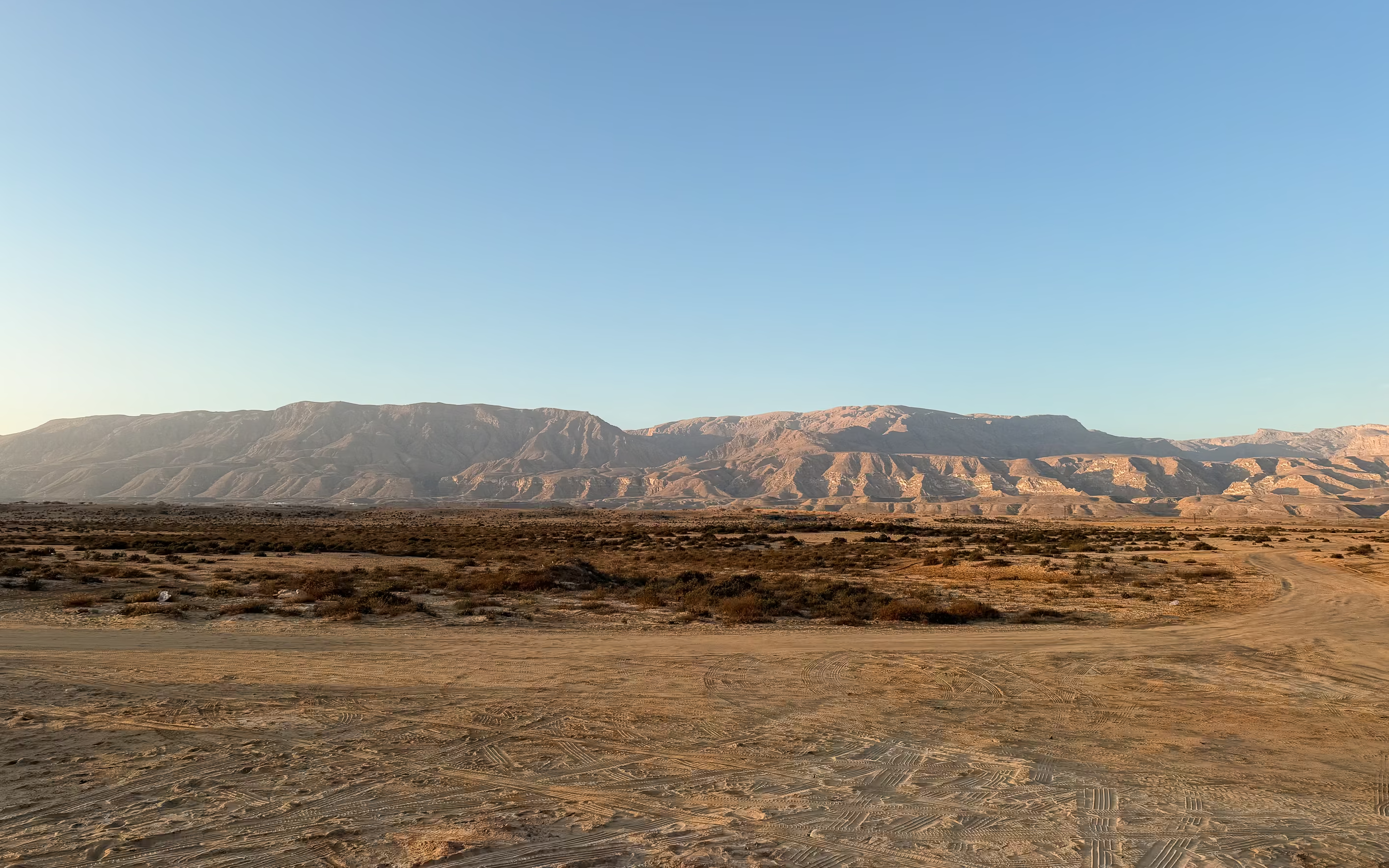
Spending a night right on the beach, enjoying a stunning sunset overlooking the sea while listening to the crackling of a campfire.
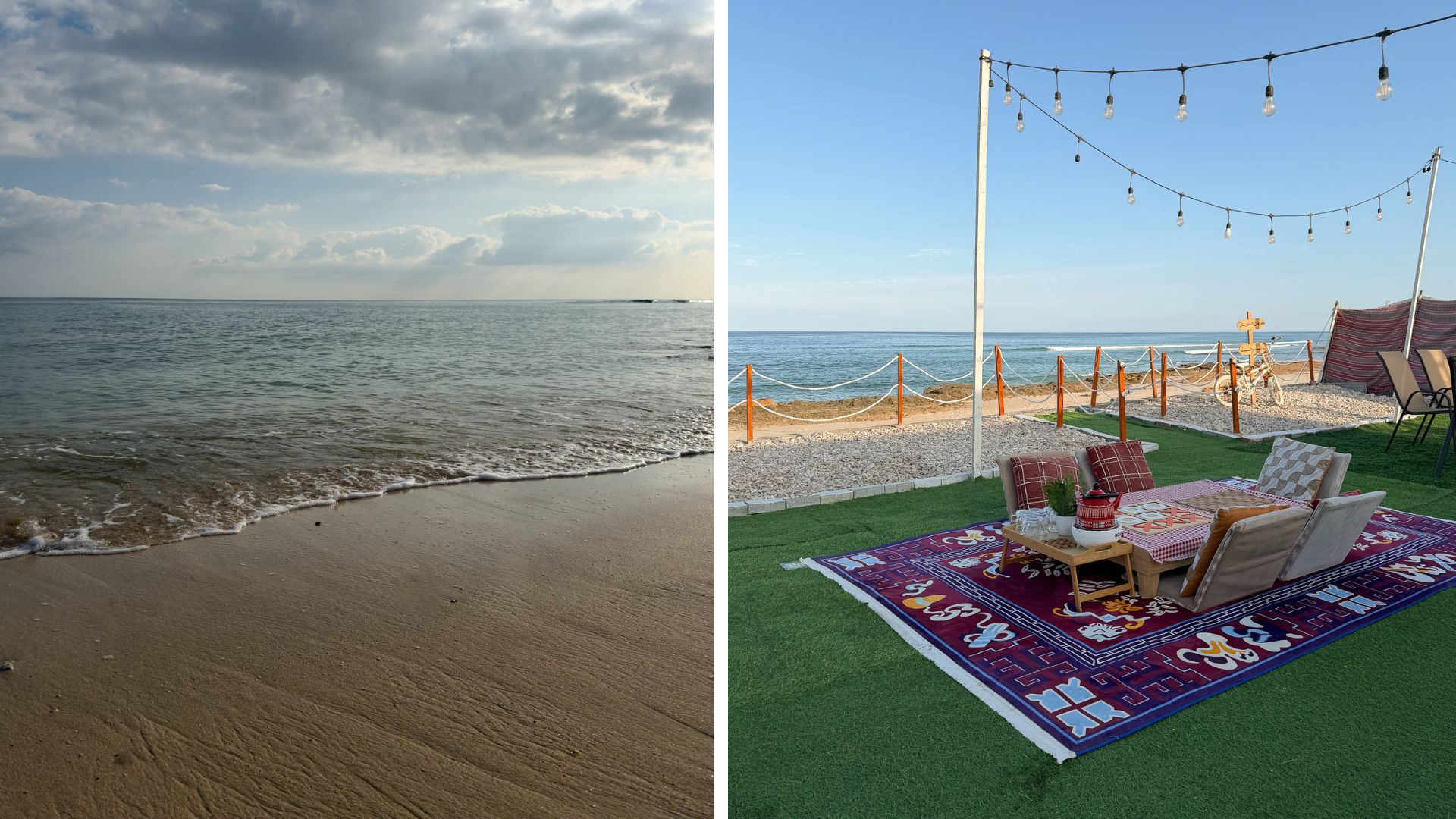
Falling asleep to the sound of rolling waves and waking up the next morning to a passing herd of wild donkeys, before heading out for a refreshing swim in the Gulf of Oman.
This experience was one of the absolute highlights of our road trip and will certainly stay with us for a long time.
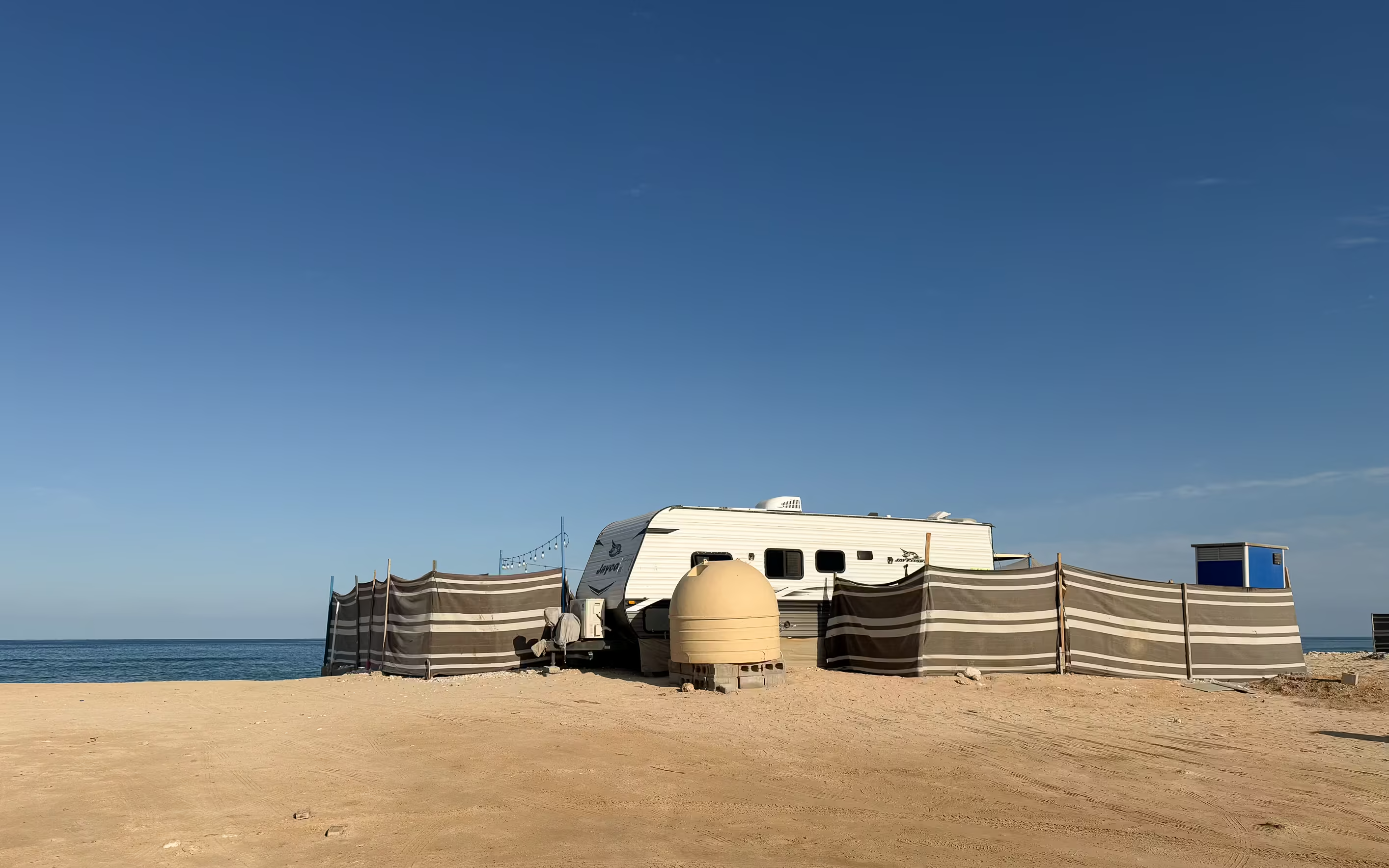
We were able to enjoy all of this at a very special place, the Kyan Caravan.
This modern and very well equipped caravan is located directly on the beach and features a beautifully designed outdoor area.
It is also just a few minutes’ drive from the Bimmah Sinkhole, making it the perfect base for exploring the surrounding coastline.
TIWI
Our accommodation: Tiwi Pearl
Recommended stay: 1 to 2 days
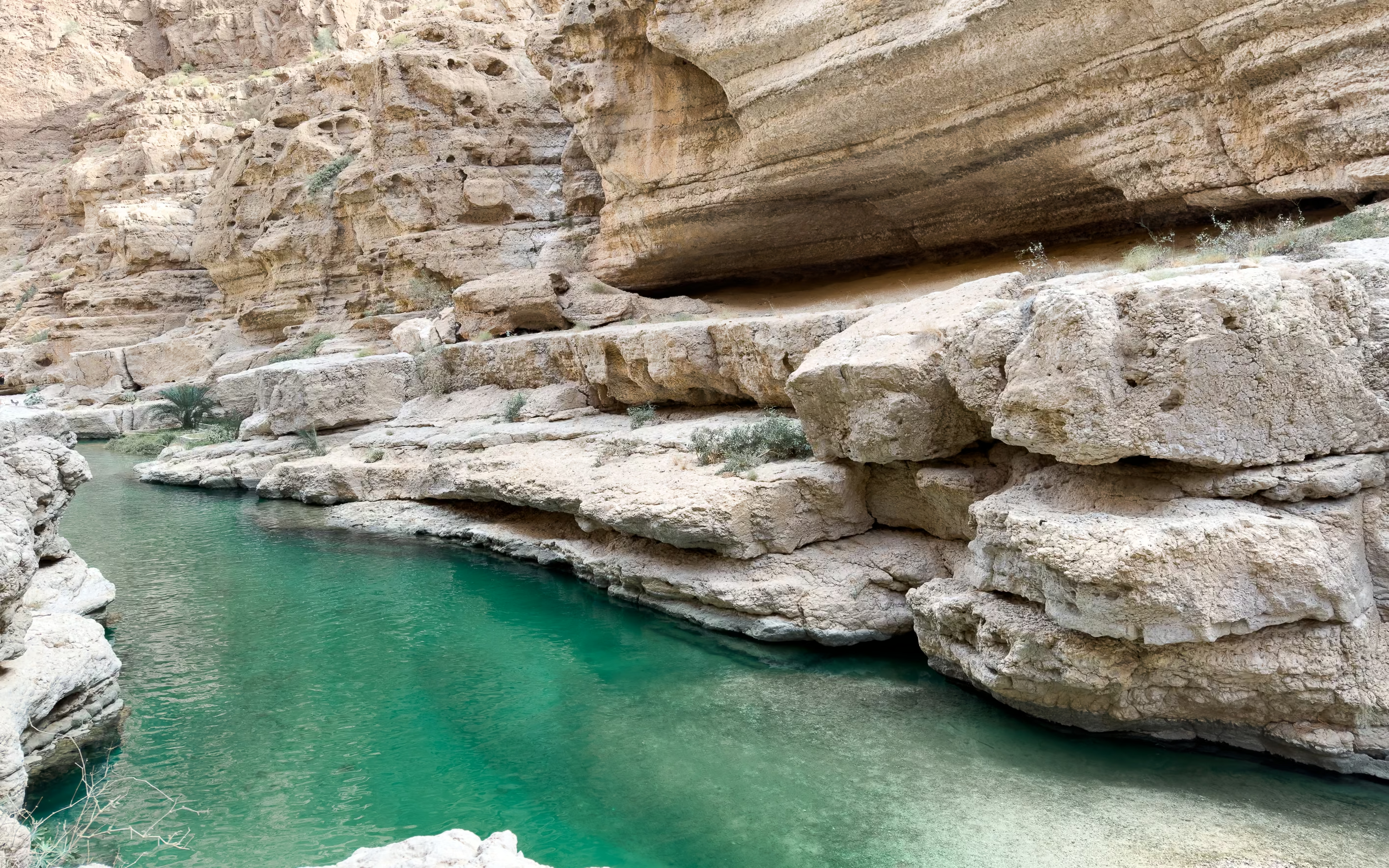
On the way to Sur, you pass the small coastal village of Tiwi. Tiwi is the ideal base for exploring the spectacular wadis of the region, including the well known Wadi Shab and Wadi Tiwi.
Wadis are river valleys or gorges that fill with water after rainfall.
They create a striking contrast to Oman’s otherwise very barren landscape. Suddenly, lush green oases emerge, with natural pools, palm trees, and in some cases even waterfalls.
Some wadis are accessible year round and offer excellent opportunities for swimming, hiking, and relaxing.
Important note: never visit a wadi during rainfall or immediately afterwards, as dangerous flash floods can occur at any time.
WADI SHAB
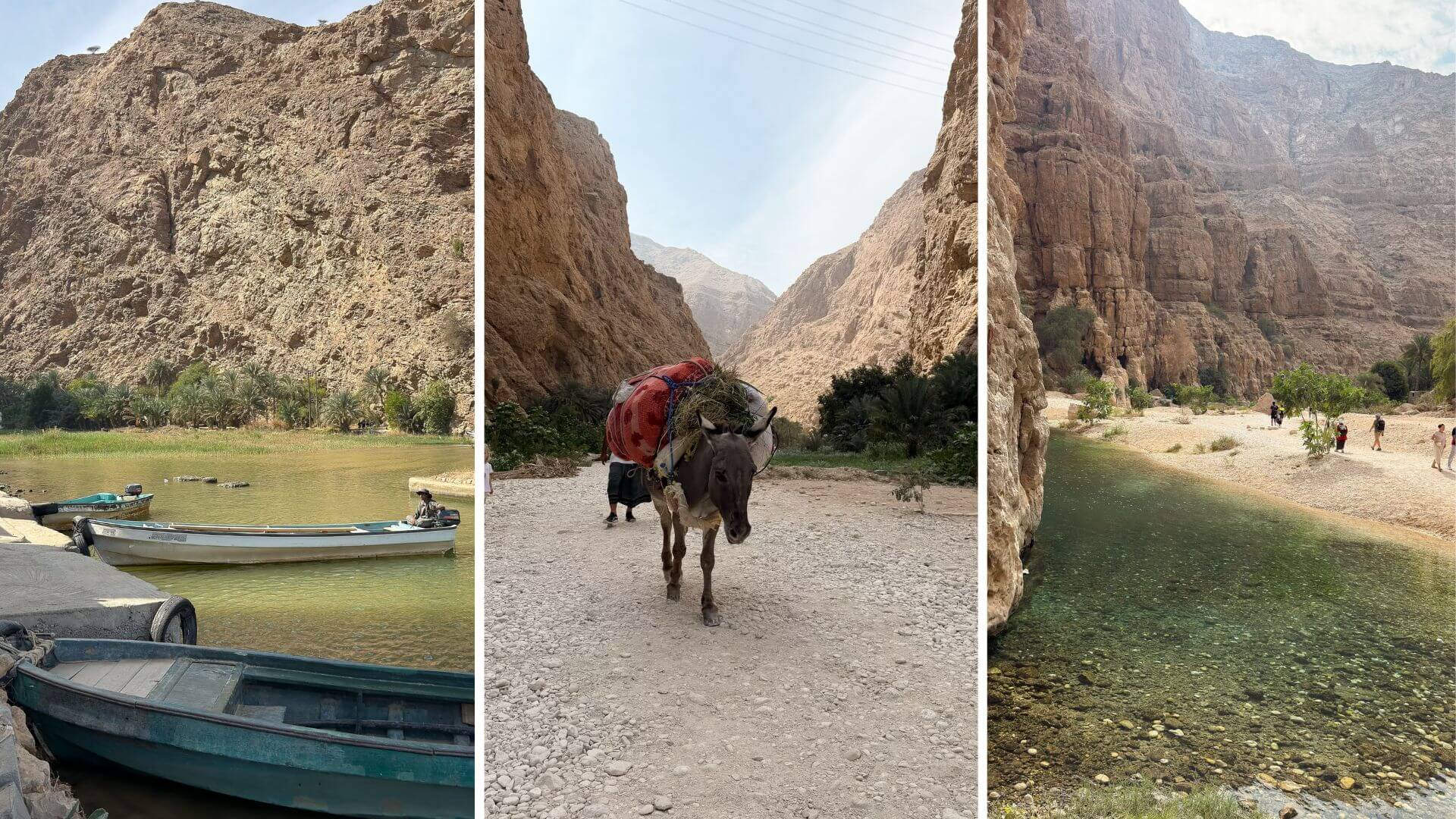
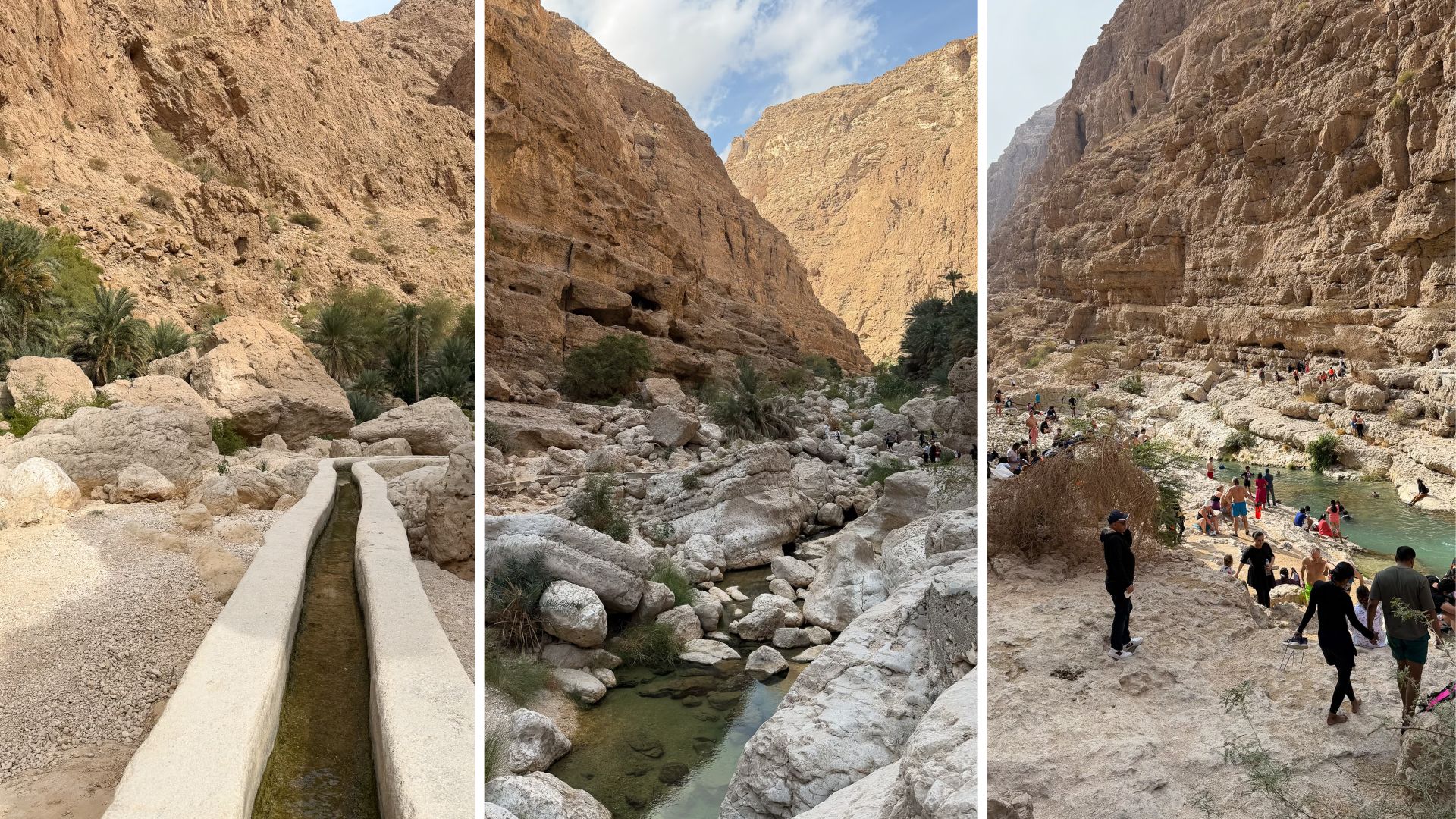
Wadi Shab can only be explored on foot. To enter the wadi, a short boat ride is required to cross the river to the opposite side. Make sure to check in advance when the last boat returns.
Once on the other side, the hike begins. A well maintained gravel path leads for about 20 minutes along the riverbed, passing numerous palm trees and small fruit plantations.
You will then reach the first large natural pools shimmering in emerald green, which are perfect for cooling off. However, the real adventure starts beyond this point.
To explore deeper parts of the wadi and reach additional pools, you follow a narrow trail along the rock face. This section takes roughly another 30 minutes and is not secured.
Full concentration is essential here, as not all visitors are considerate. You should also never underestimate the risk of falling rocks and loose stones.
Once you reach the pools at the far end of the wadi, experienced swimmers have the option to visit a waterfall hidden inside a cave.
To get there, you swim to the end of the pool, where the route continues through a narrow rock gap. This is followed by a short and fairly easy climb.
If you make it through, you are rewarded with a truly impressive and unique setting.
Good to know: Wadi Shab is one of the most popular excursion destinations in Oman.
While visitors usually spread out quite well along the trail, you should expect company at the pools towards the back.
If you prefer to visit Wadi Shab as part of a guided experience, you can do so here: guided tour through Wadi Shab.
WADI TIWI
Wadi Tiwi is very different from Wadi Shab. It can only be accessed with a 4x4 vehicle and is also inhabited.
The drive through the wadi itself is already a highlight. Time and again, you are treated to impressive views of the surrounding mountains, lush green oases, palm groves, and small villages.
Eventually, you cross a stream and continue driving uphill to the last village. Here, you will reach the narrowest and most demanding section of the route.
Once you arrive in the village, follow the road all the way to the end. A few locals are usually waiting there and, for a small fee, will guide you down to the natural pools.
As the entrance to the canyon is barely signposted, accepting this offer is highly recommended. They will also show you where to park your car safely during your visit.
After about fifteen minutes on a narrow path, you reach the lower part of the canyon. Here, you can swim, climb, try canyoning, or simply relax in one of the natural pools.
One of the biggest advantages of Wadi Tiwi compared to Wadi Shab is that it is far less crowded, allowing you to enjoy the stunning surroundings in peace.
Good to know: no matter which wadi you choose to visit, make sure to bring enough water and snacks.
Depending on the route and how much time you spend swimming, you should plan between one and three hours per wadi.

SUR
Our accommodation: Sur Grand Hotel
Recommended stay: 1 to 2 days
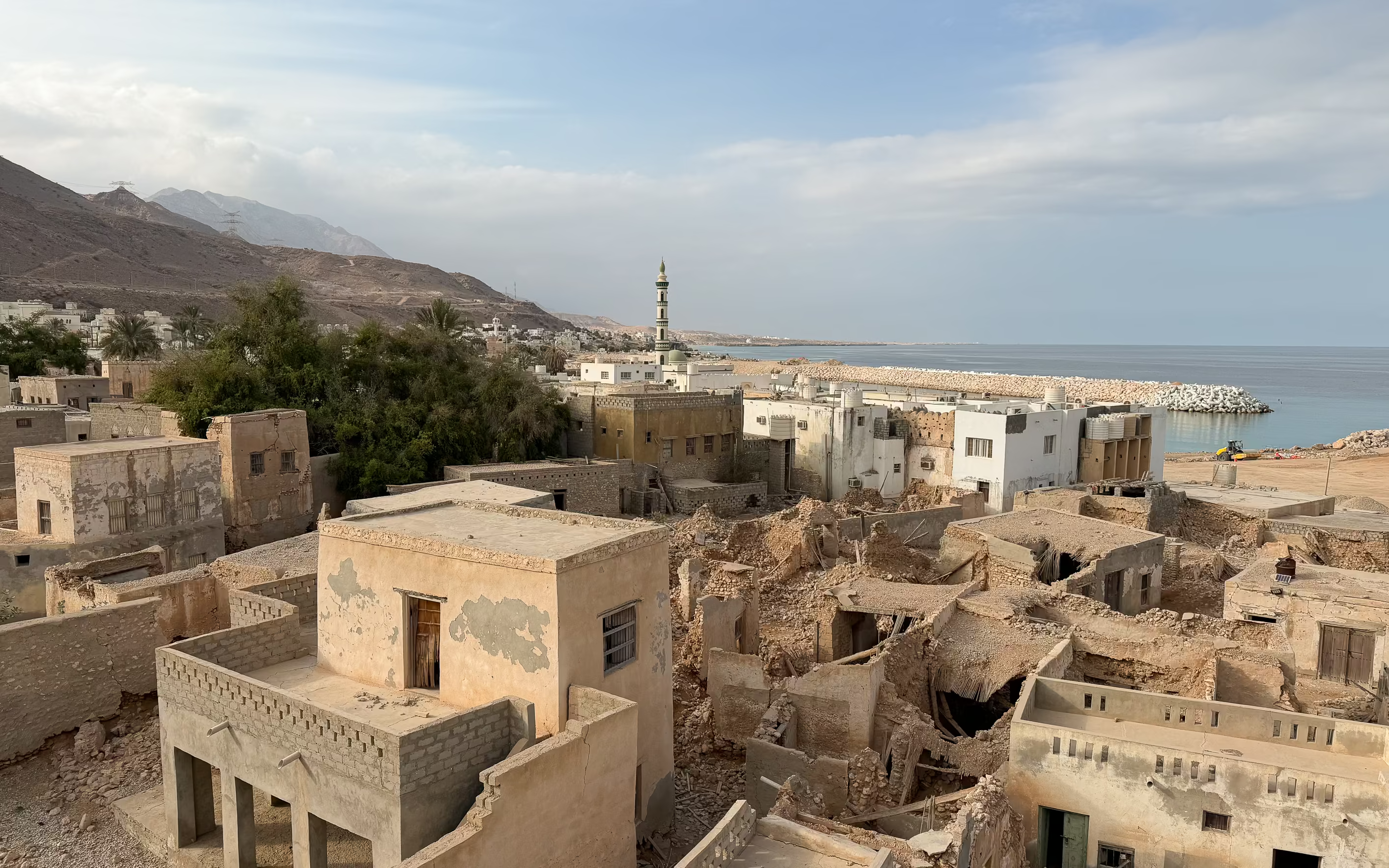
The port city of Sur is only about 40 minutes by car from Tiwi. It offers several interesting sights and is an excellent base for varied day trips in the surrounding area.
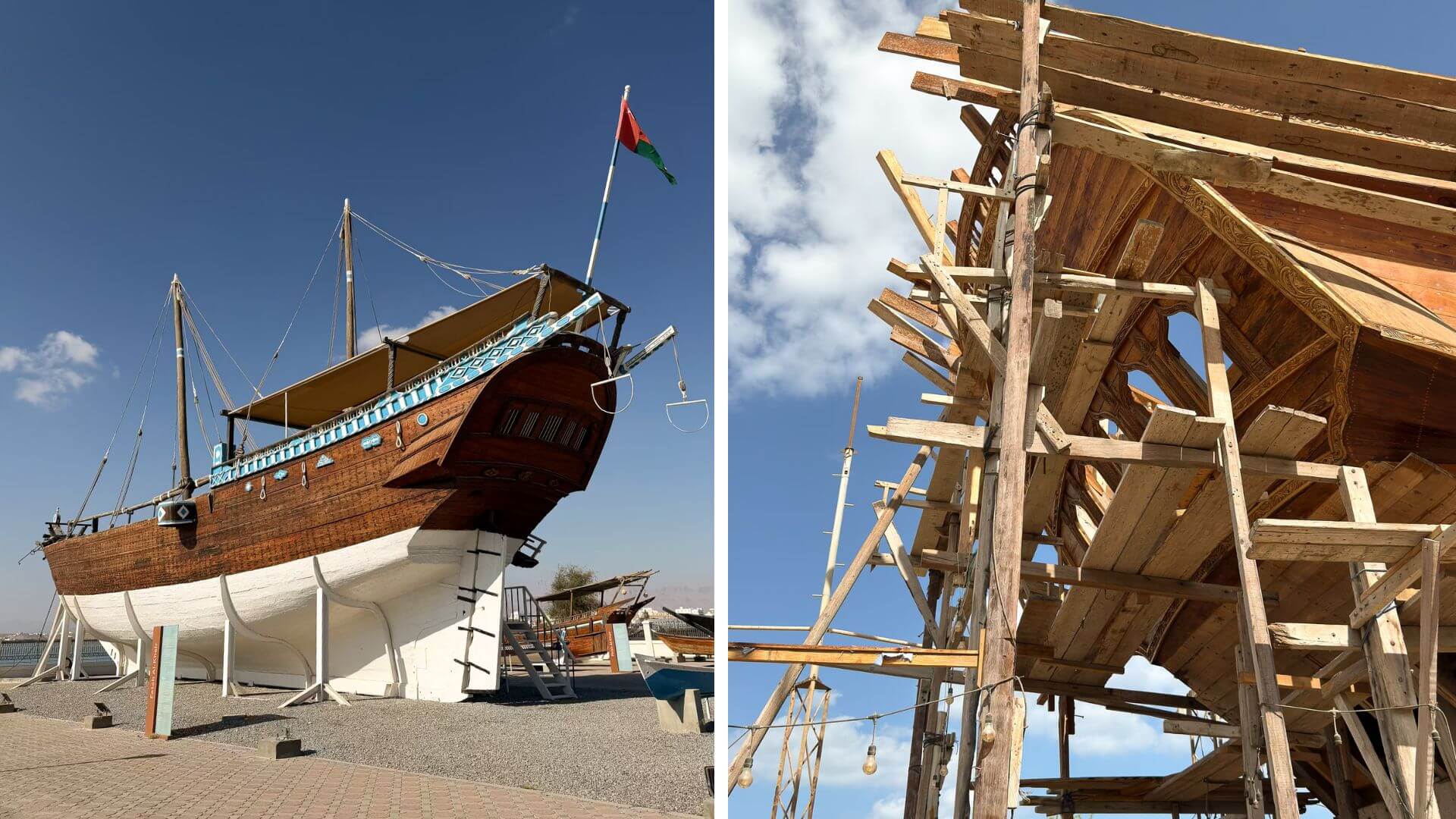
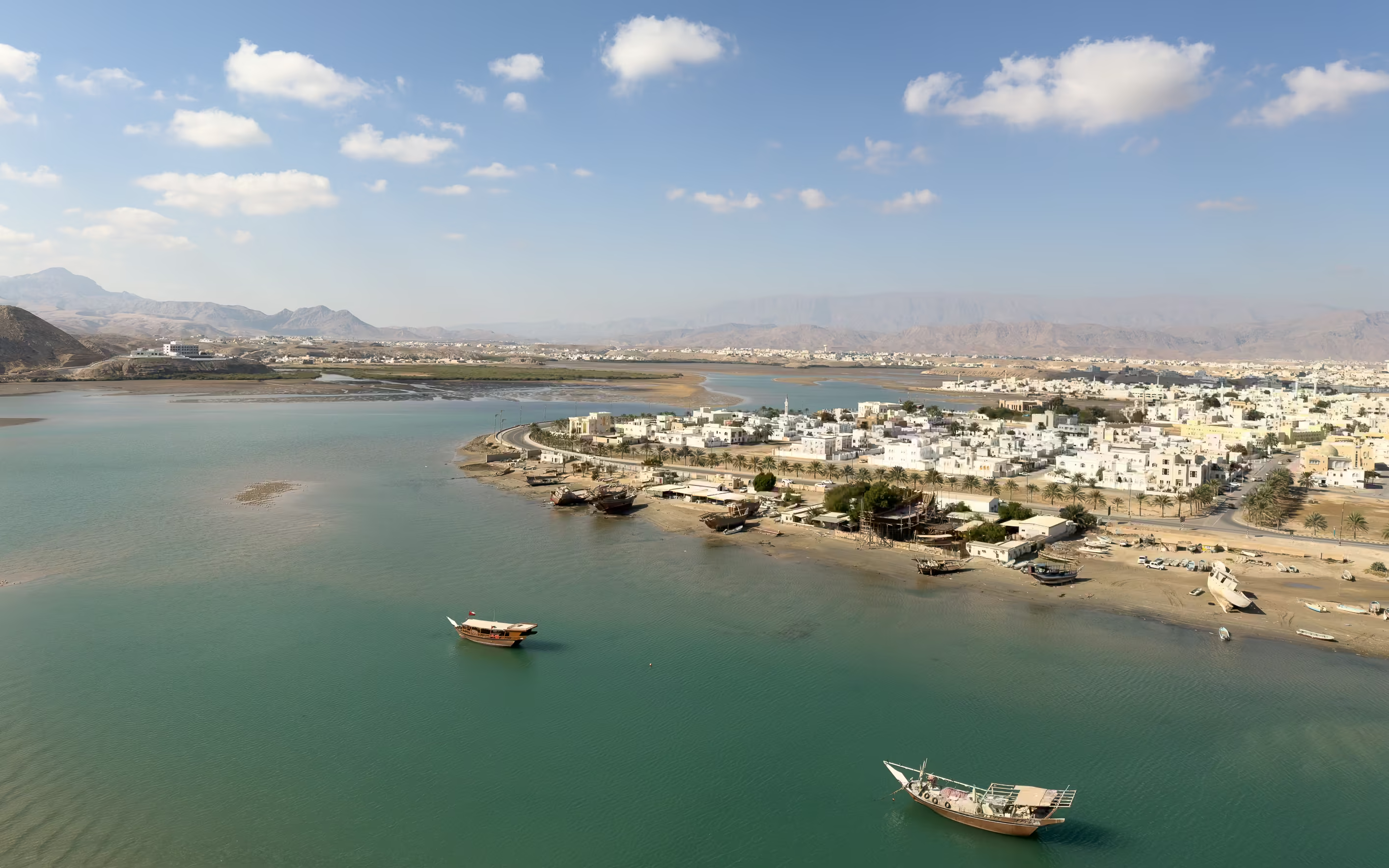
Sur is best known for the construction of traditional dhows. These wooden ships once sailed the seas from Arabia to India and played an important role in trade.
Building a single dhow can take up to two years. If you would like to learn more about this special craft, you should definitely visit the dhow shipyard in Sur.
There, you can gain fascinating insights into a centuries old tradition that is still kept alive today.
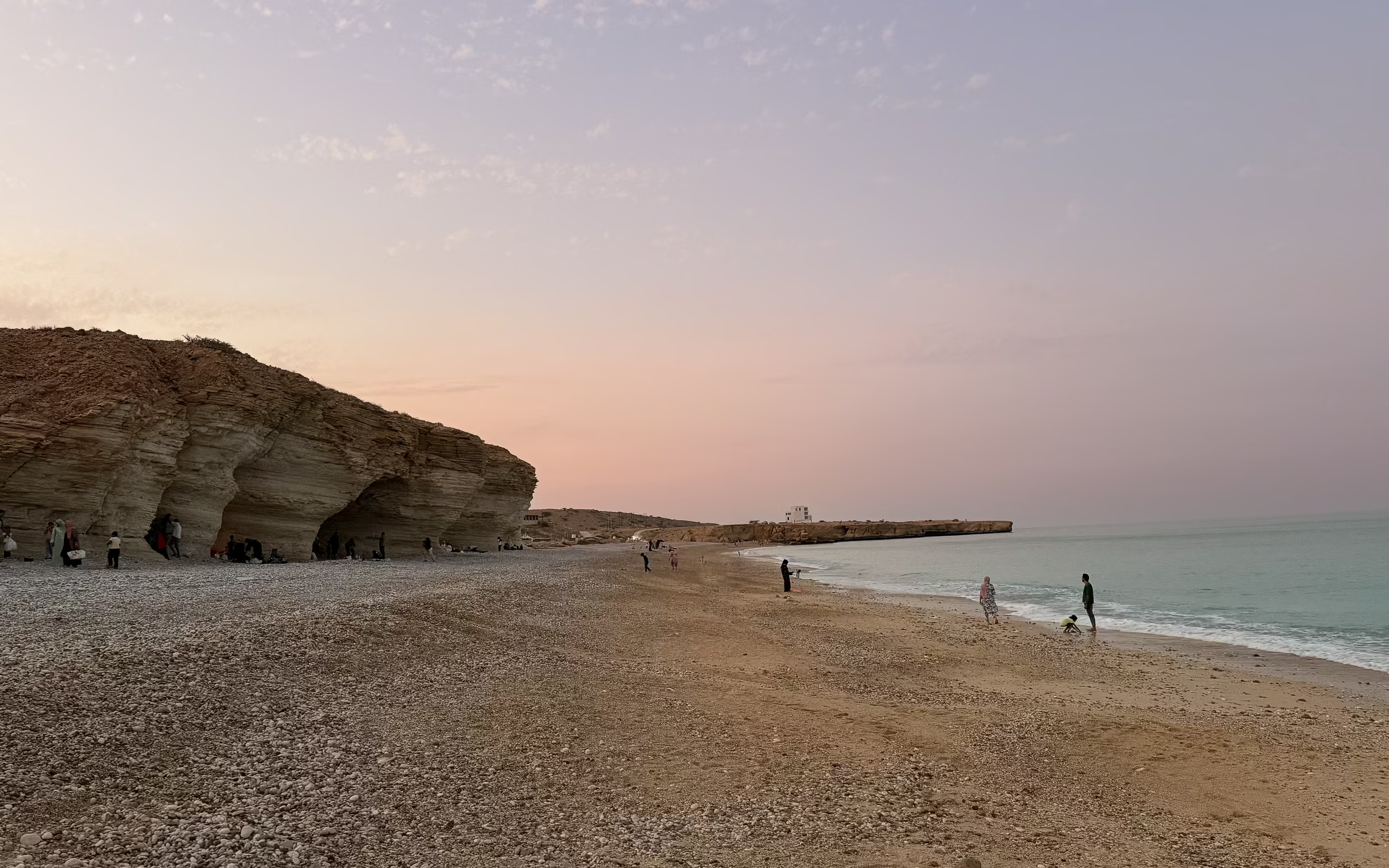
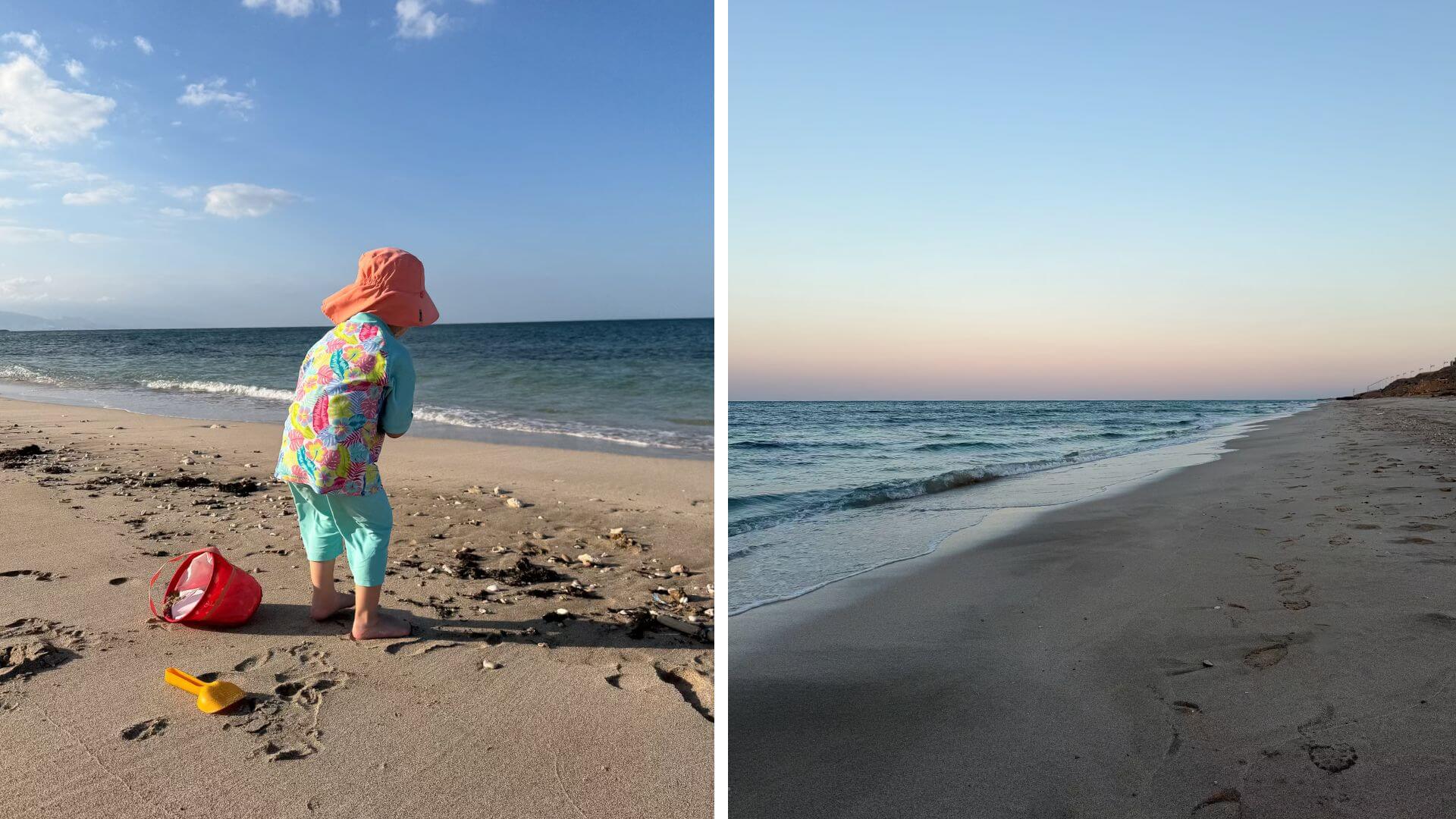
Whether you want to go for a swim or enjoy a walk, Sur Beach is an ideal spot.
Visiting in the morning or late afternoon is particularly pleasant, when the sun is less intense and temperatures are milder.
The other beaches around Sur are also worth exploring. They are wide, natural, and perfect for a relaxed stroll or a refreshing swim.
We especially liked the beach section at The Beach Front Sur. Just above the sandy shore, you will find modern restaurants and cafés where you can relax while enjoying wonderful sea views.
With a bit of luck, we even spotted several turtles in the water just a few metres from the shore.
They were feeding on seagrass and regularly surfaced for air. Unfortunately, we did not have snorkelling masks with us to observe them underwater, so make sure to bring one when you visit.
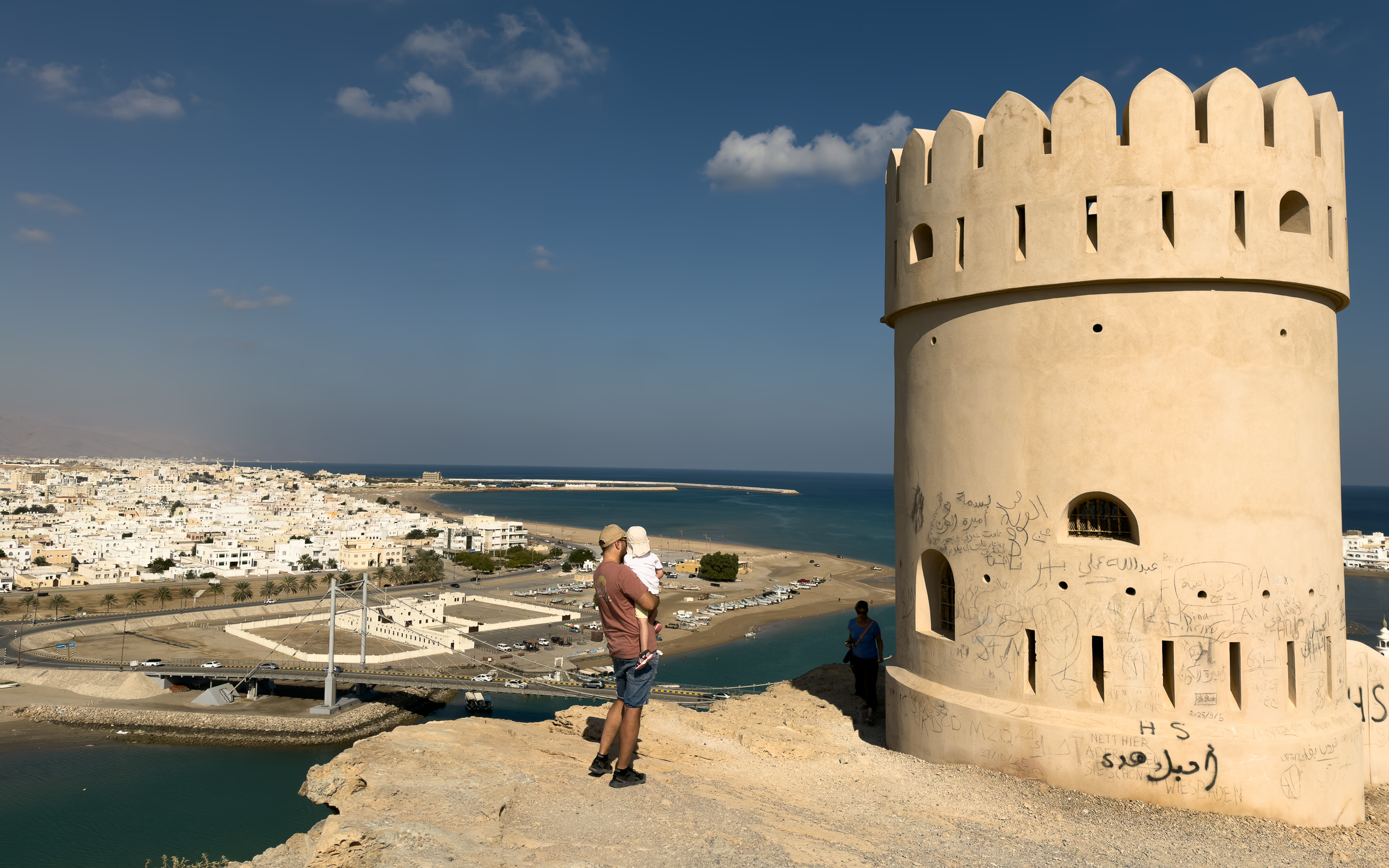
For a particularly beautiful view over Sur, head to the Al Ayjah Watchtower. You can park your car there free of charge.
From the parking area, it is about a five minute walk uphill along a narrow dirt path.
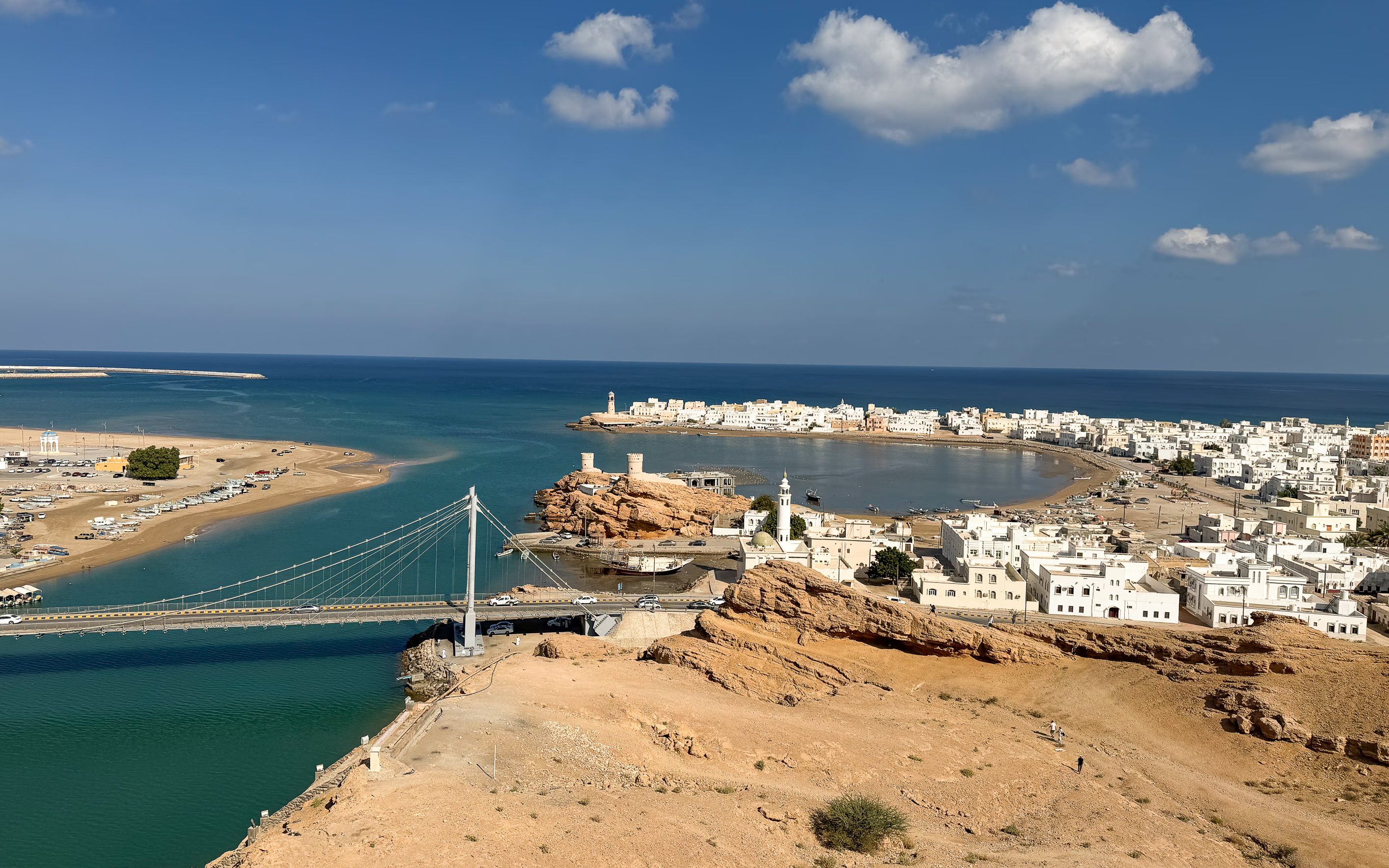
Once at the top, you are rewarded with a fantastic panoramic view over the city, which is especially impressive at sunset.
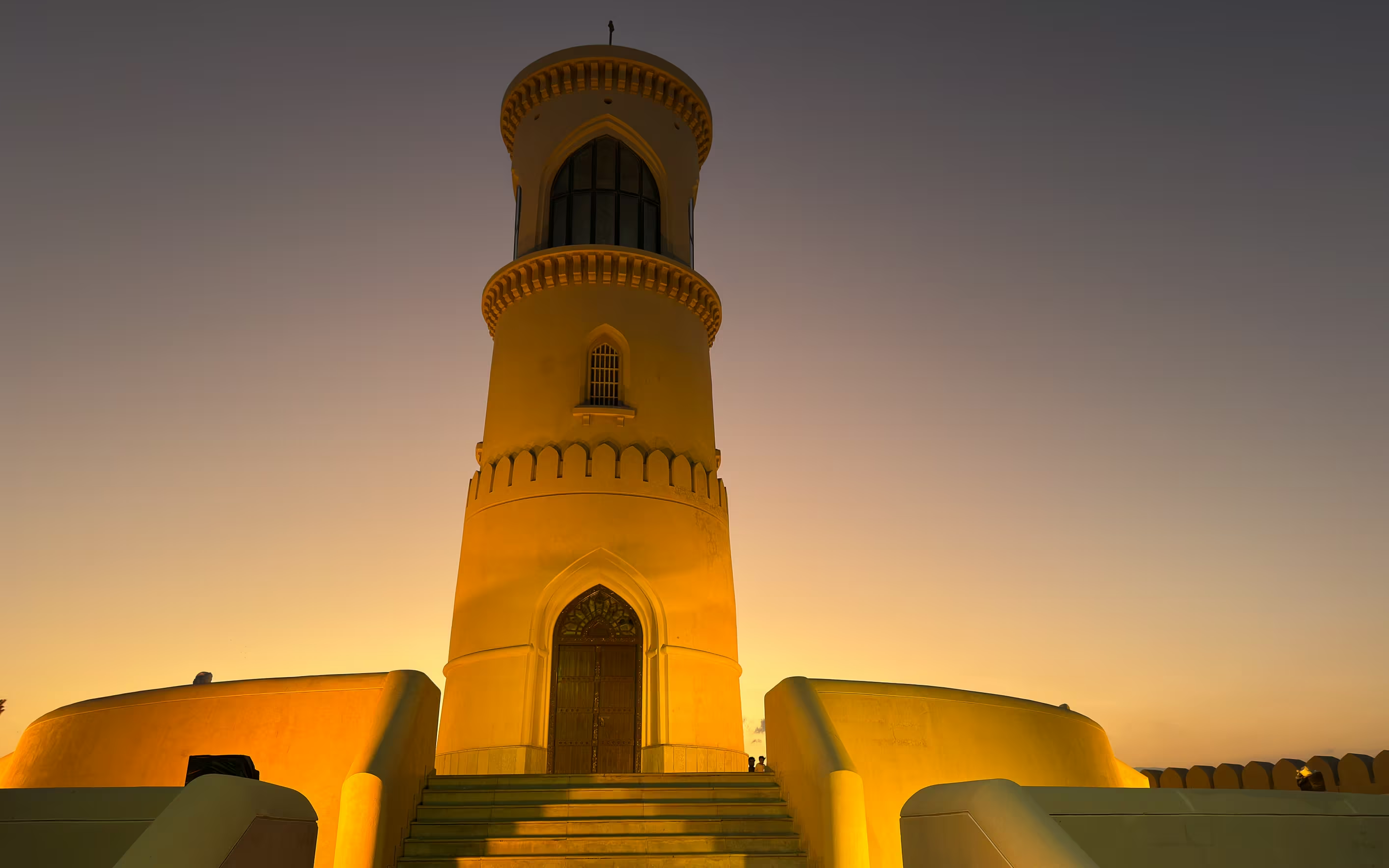
The Al Ayjah Lighthouse is also worth a visit. From here, you have a lovely view over the sea as well as Sur Beach with the city in the background.
RESTAURANT AND CAFE TIPS FOR SUR
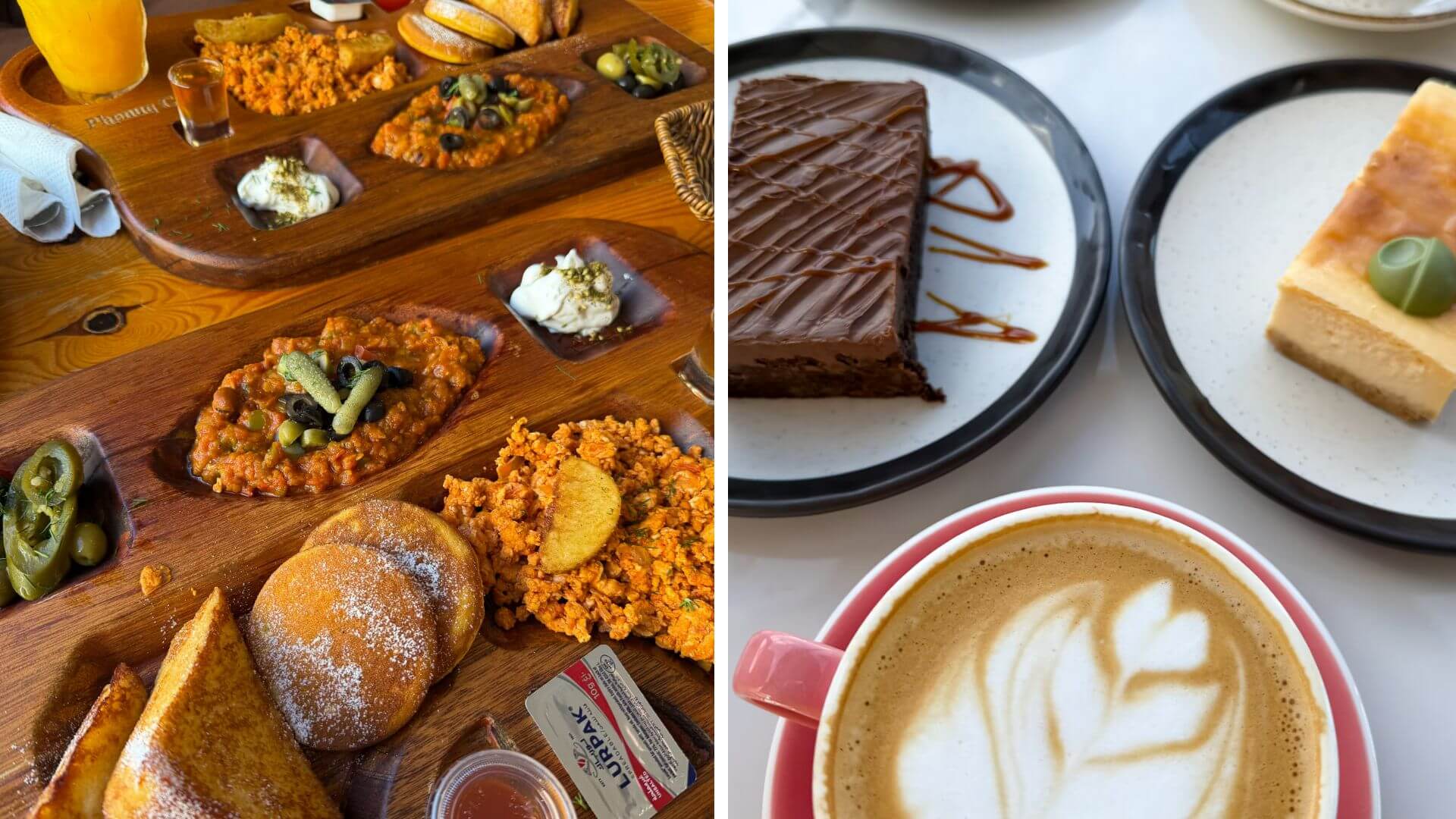
We enjoyed a delicious breakfast and the best cappuccino in town at Phenuq Café.
For a tasty and authentic dinner, we recommend Al Naseem Restaurant, which is located a little outside the city centre.
TURTLE WATCHING AT RAS AL JINZ TURTLE RESERVE
A few kilometres south of Sur, about 45 minutes by car, lies the Ras al Jinz Turtle Reserve, one of the most important nesting sites for sea turtles.
With a bit of luck, you can watch turtles laying their eggs at night or see hatchlings making their way to the sea early in the morning.
To protect the animals, visits are only allowed as part of a guided tour.
You can get your ticket for the tour here: Ras al Jinz Turtle Reserve Tour.
DAY TRIP TO WADI BANI KHALID
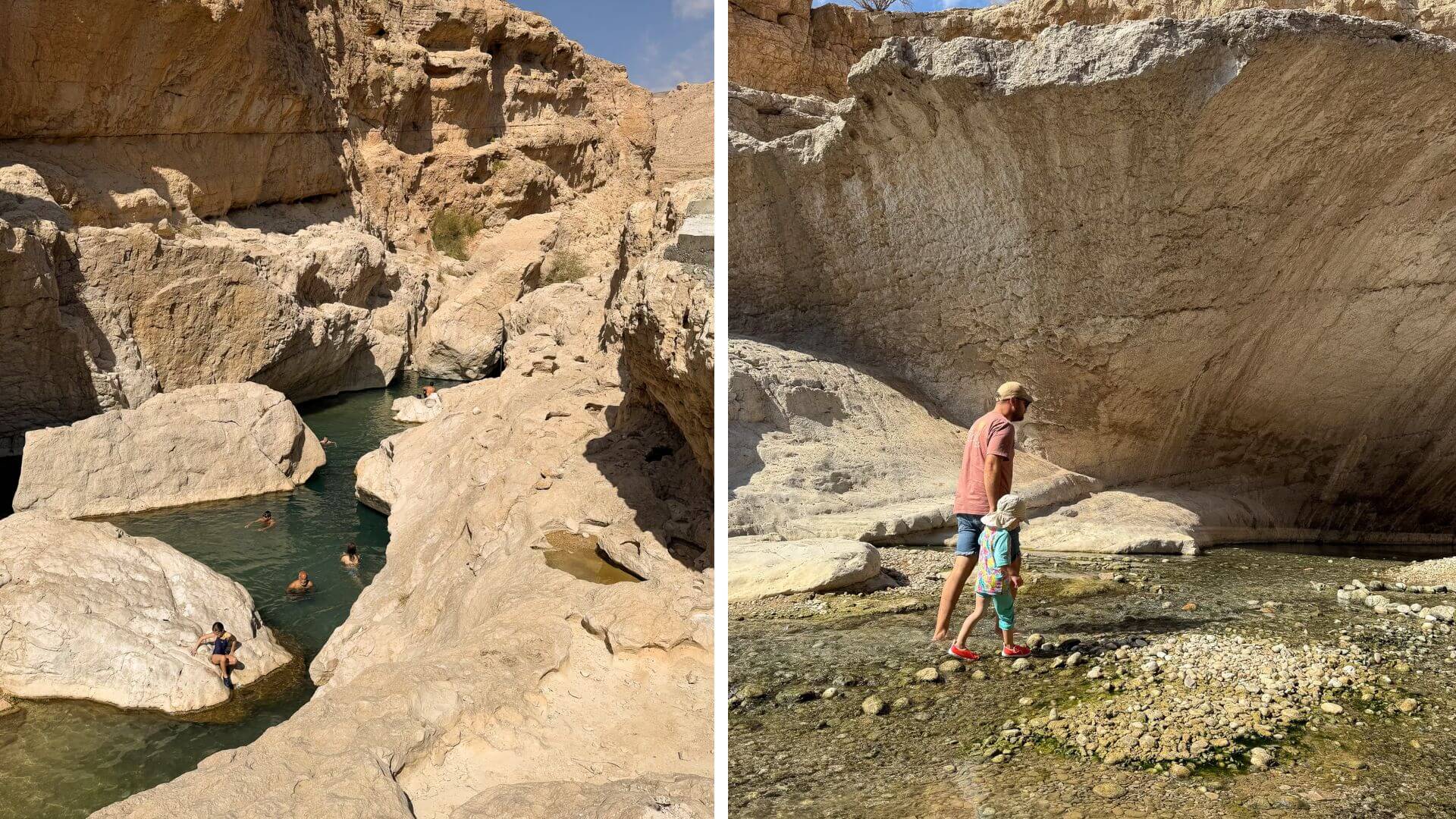
Another highlight is a day trip to Wadi Bani Khalid. This wadi holds water all year round, making it an ideal destination in any season. The drive from Sur takes about 1.5 hours.
Large, turquoise natural pools with crystal clear water, varying in depth and surrounded by towering cliffs, invite you to swim, wade through the water, or simply relax.
There is plenty of parking on site, as well as changing rooms and stairways leading down to the first pools. This makes the wadi well suited for families with younger children.
If you prefer a quieter experience, you can hike further into the wadi and find more secluded swimming spots. As the riverbed is very rocky, water shoes are highly recommended.
AL WASIL (WAHIBA SANDS DESERT)
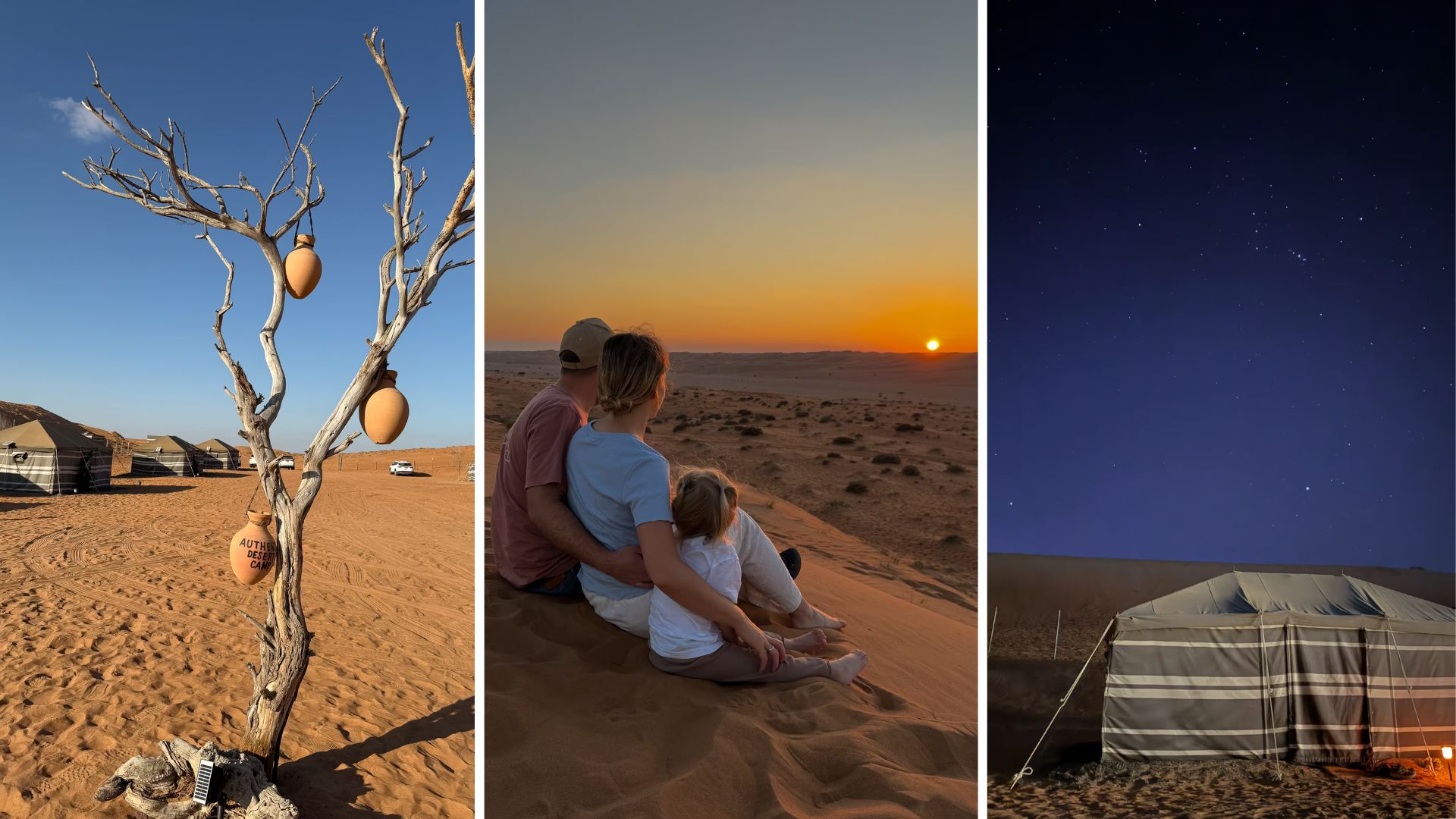
Our accommodation: Authentic Desert Camp
Recommended stay: 1 day
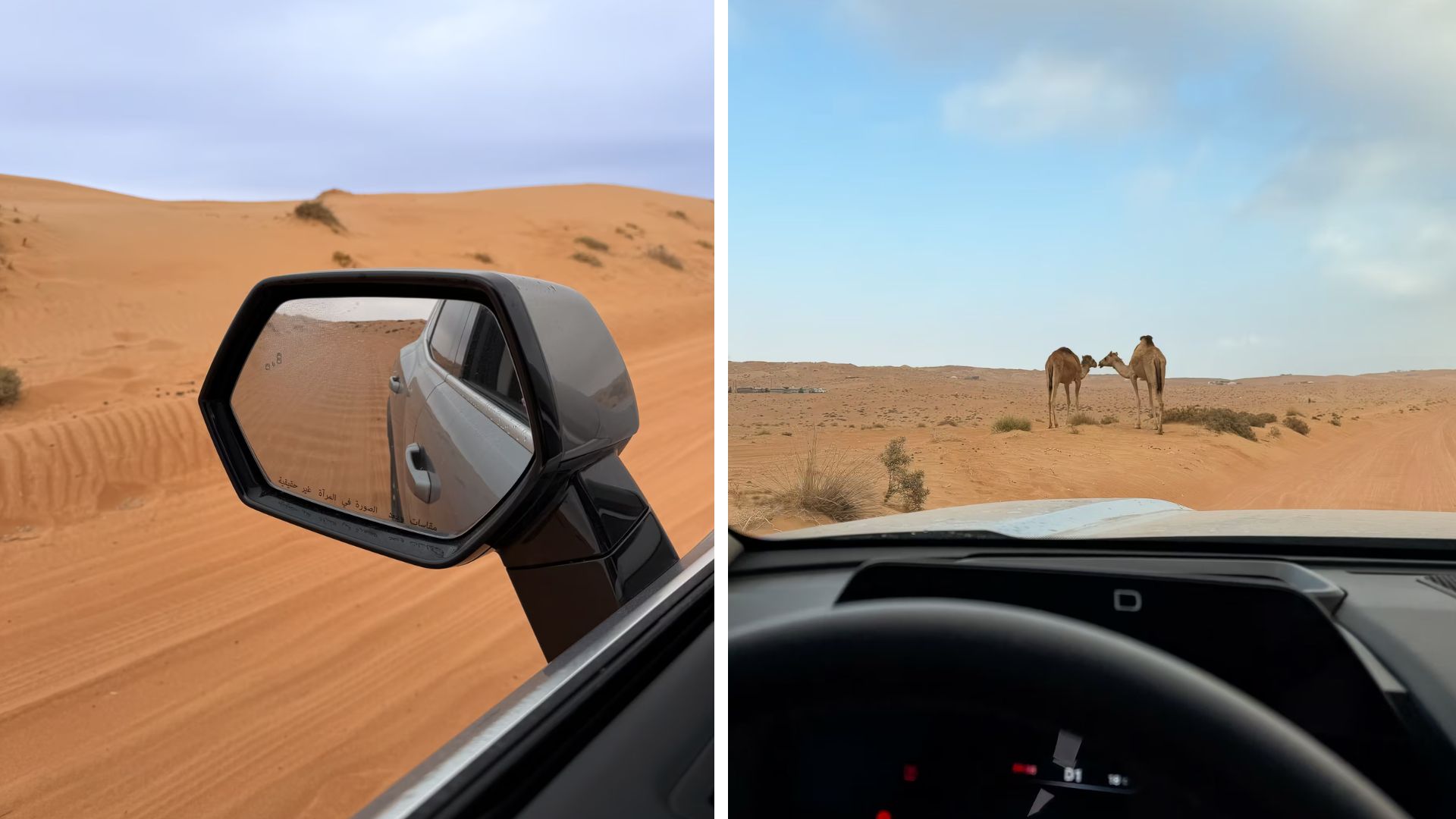
The small town of Al Wasil is the ideal starting point for visiting the Wahiba Sands.
Just beyond the town begins the impressive dune landscape of this seemingly endless sand desert, which immediately captivates visitors with its soft dunes and warm colours.
To fully enjoy this unique experience, we recommend spending at least one night in one of the desert camps.
From simple Bedouin style camps to comfortable luxury lodges, there is something for every type of traveller.
We booked our camp with half board through booking.com and were very happy with our choice.
Through the camps, you also have the opportunity to take part in activities such as sandboarding, dune bashing with a 4x4 vehicle, or a camel ride at sunset.
Even without extra activities, there is certainly no risk of boredom in the desert.
Spectacular sunrises and sunsets, a cosy campfire in the evening, and a clear star filled sky without light pollution make the desert experience truly unforgettable.
Good to know: for some camps or for driving deeper into the desert, a 4x4 vehicle is required. Most accommodations clearly mention this in advance on booking platforms.
If you do not have a four wheel drive vehicle, this is usually not a problem. Many camps offer transfers into the desert camp, either free of charge or for an additional fee.
During that time, you can safely leave your car in Al Wasil.

NIZWA
Our accommodation: Aldar Inn
Recommended stay: 2 to 3 days
Nizwa, located on the edge of the impressive Hajar Mountains, is one of the most culturally significant cities in Oman. It is authentic, rich in history, and lively, without feeling overcrowded.
The old town feels like a labyrinth of original mud brick buildings and restored clay houses prepared for tourism.
Together, they give Nizwa a very special atmosphere and a touch of One Thousand and One Nights.
NIZWA FORT
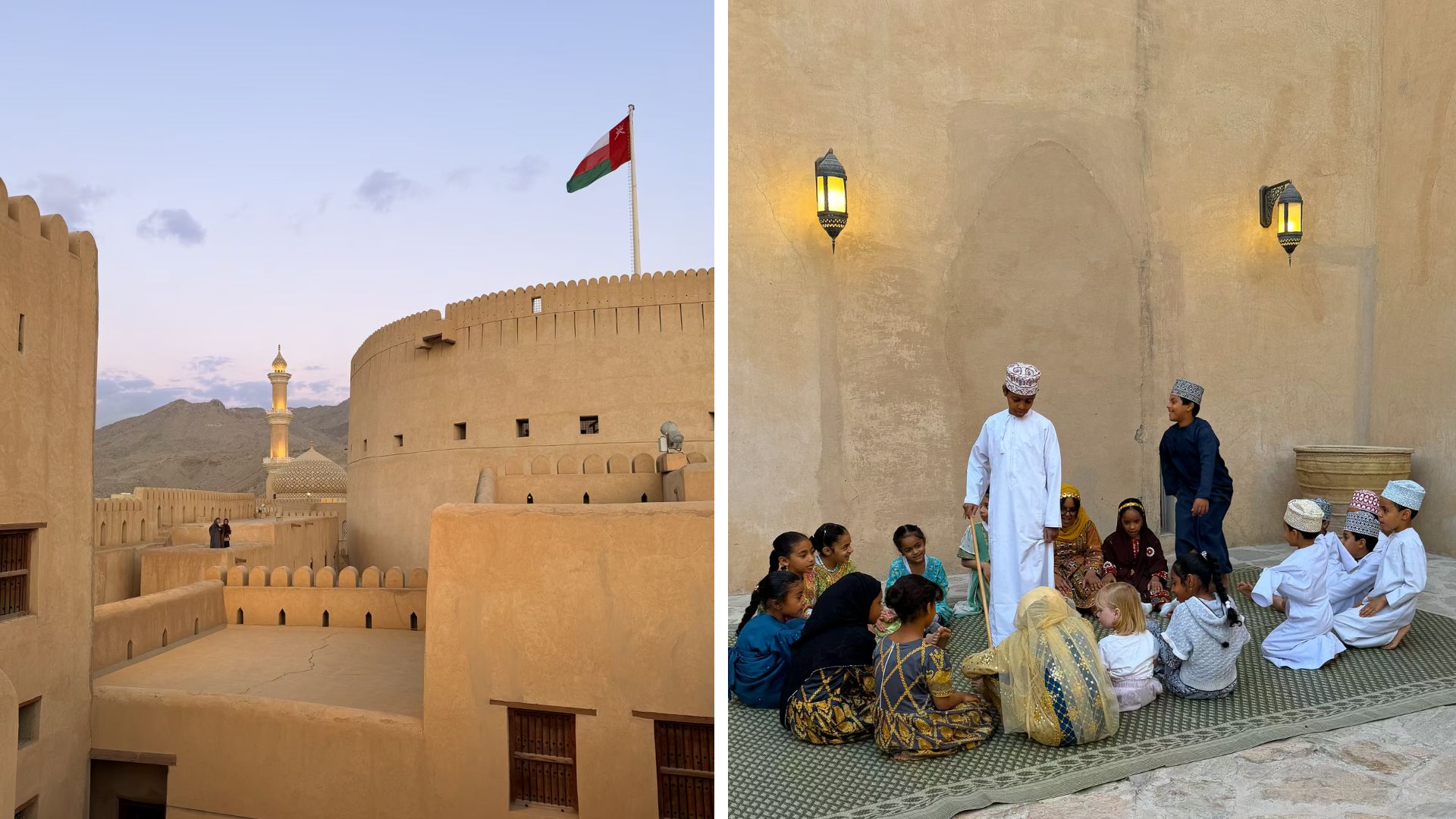
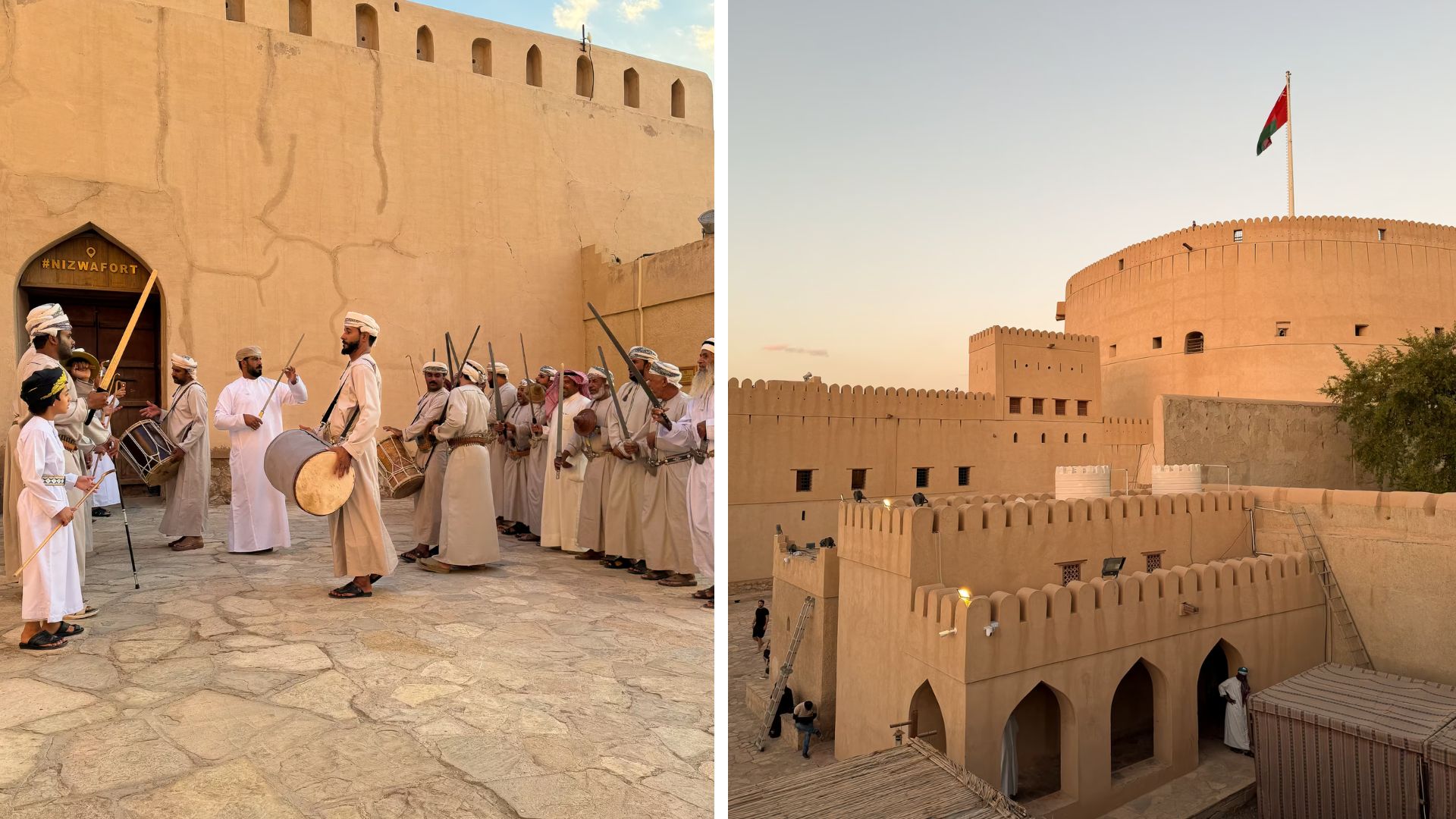
The city’s landmark is Nizwa Fort with its massive round tower. From the top, you have a fantastic view over the old town, the souq, and the surrounding mountains.
Inside, you can learn more about the history of the city, the former defence system, and everyday life in Nizwa in the past.
In the garden area of the complex, you can also see a few animals, including rabbits, many goats, and the Arabian oryx.
It is best to visit the fort early in the morning or later in the afternoon, when the lighting conditions are ideal for atmospheric photos.
Information about opening hours and ticket prices can be found on the official website.
NIZWA SOUQ
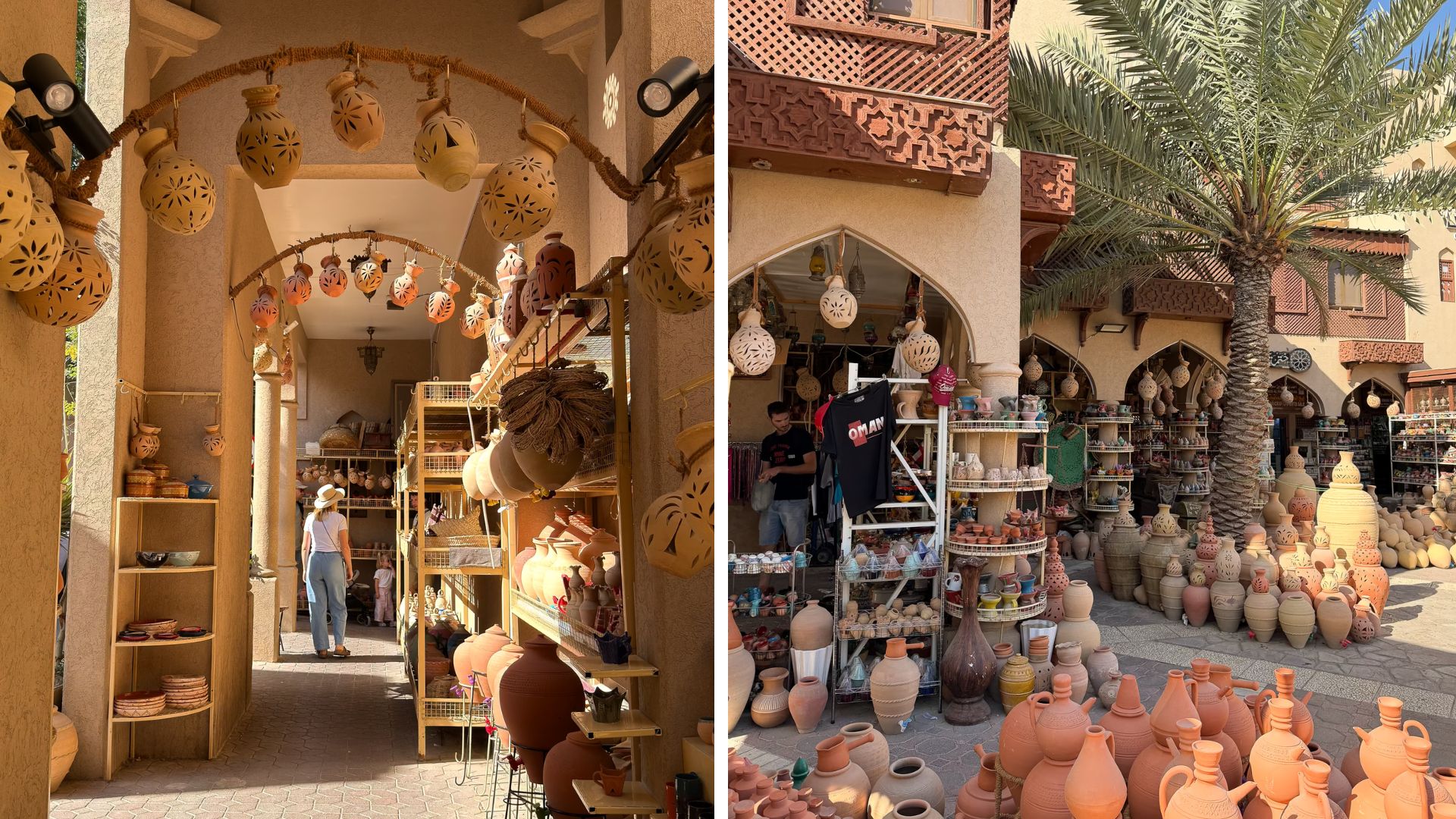
Right next to Nizwa Fort lies Nizwa Souq, one of the oldest markets in Oman. It is divided into several sections.
The renovated and more tourist oriented West Souq mainly offers handicrafts, ceramics, sweets, and traditional Omani products, often at slightly higher prices.
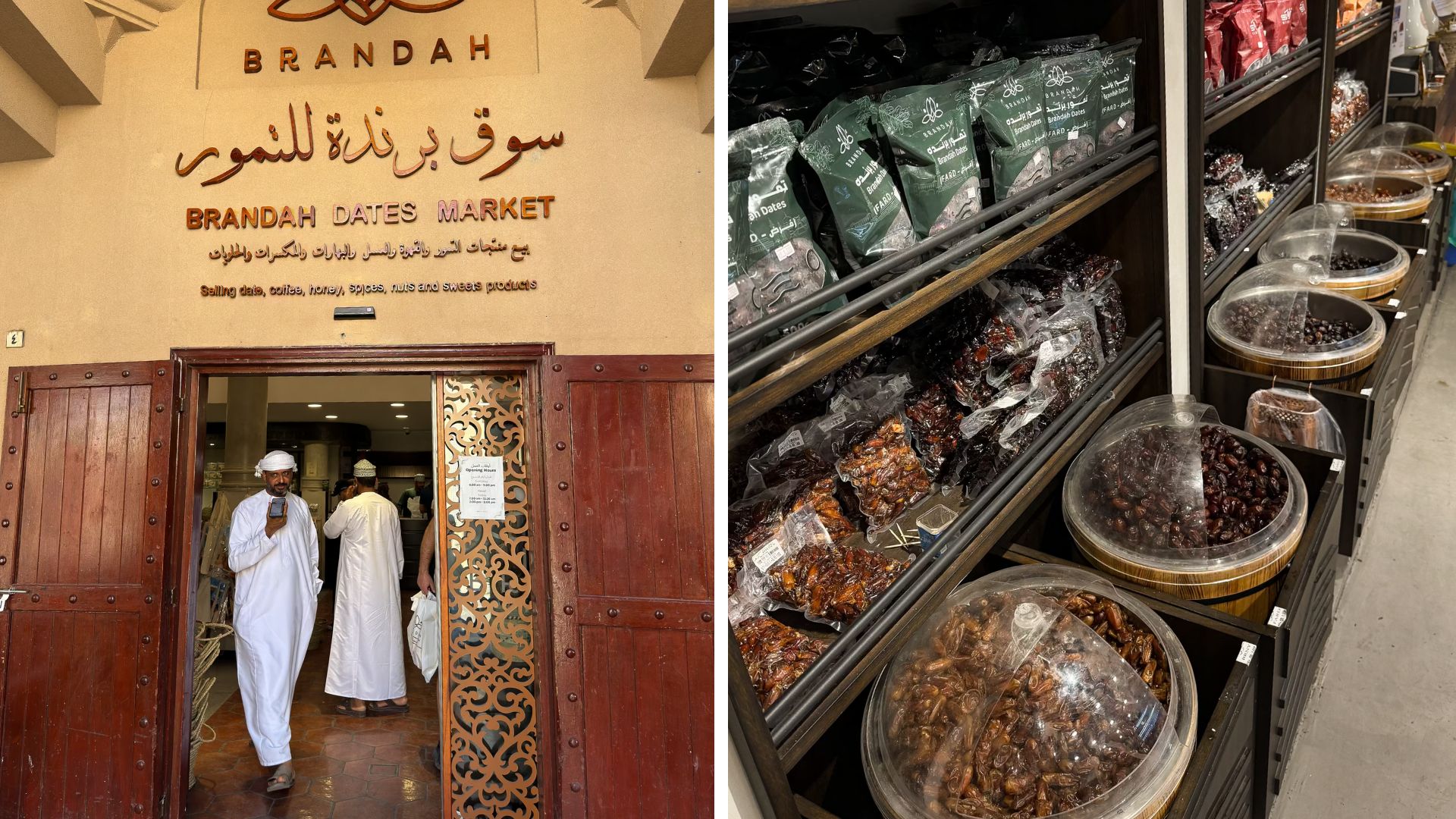
The East Souq, on the other hand, has preserved more of its original charm. We especially liked the area dedicated to dates.
If you enjoy this fruit, you are in the right place, as they are sold here in countless varieties and forms.
Overall, however, we have to admit that the souq did not fully convince us. It felt less authentic, as both the range of goods and the prices seemed strongly geared towards tourists.
If you are looking for a truly authentic souq experience, you may prefer visiting the market in Seeb instead.
THE FRIDAY MORNING LIVESTOCK MARKET
A particularly interesting time to visit is on Friday morning, when the traditional livestock market takes place.
Early in the morning, usually between 6:00 and 7:00 am, traders from the surrounding region gather near the city walls to sell goats, sheep, and sometimes cattle.
Prices are negotiated loudly and energetically. Sellers shout their asking prices into the crowd, and potential buyers respond just as loudly.
Once an agreement is reached, money and animals change hands in a fascinating and very authentic spectacle.
The livestock market is no longer a hidden gem. Try to arrive as early as possible, as from around 8:00 am onwards, numerous tourist buses from Muscat and the surrounding areas begin to arrive.
JABREEN CASTLE
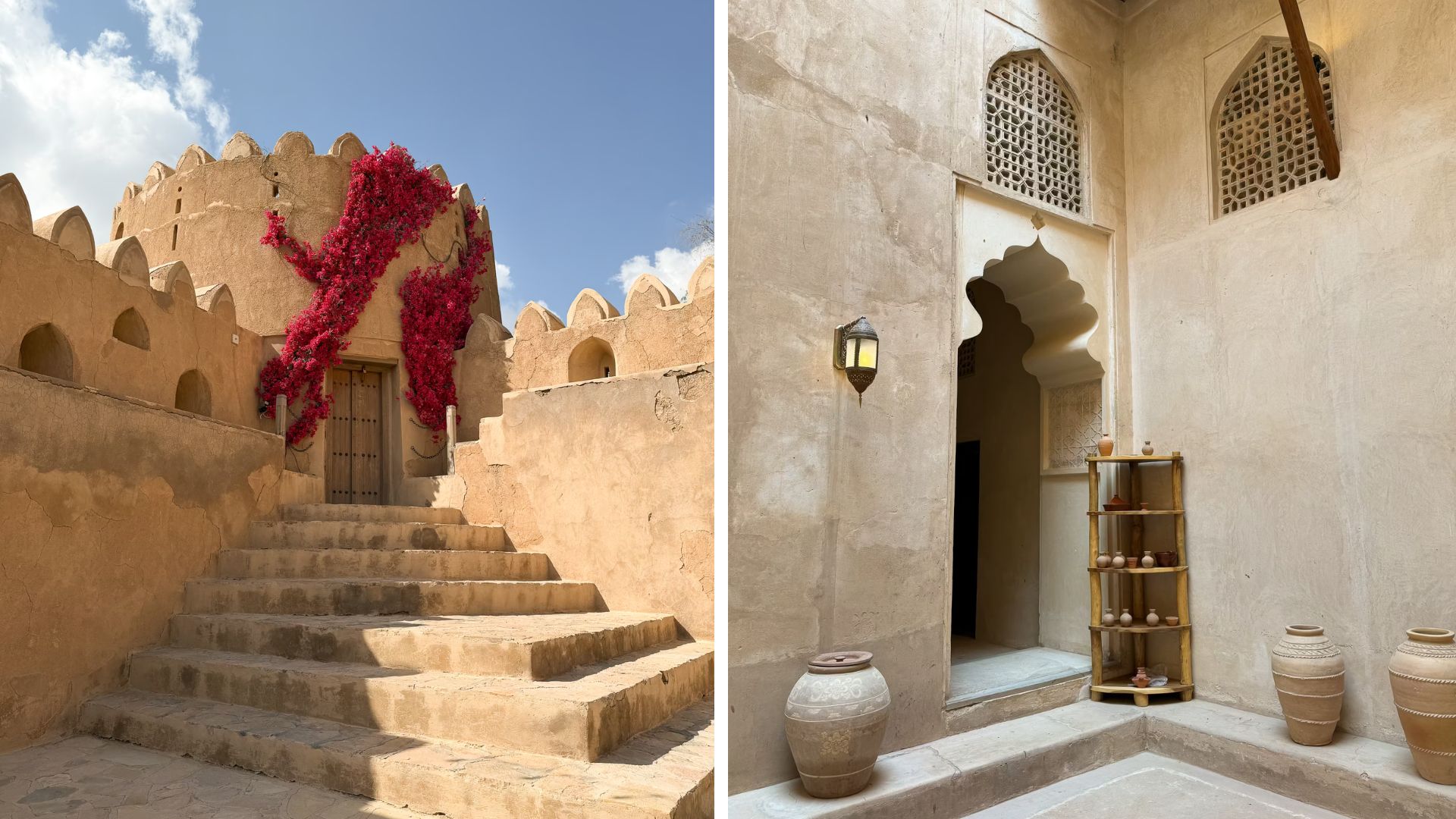
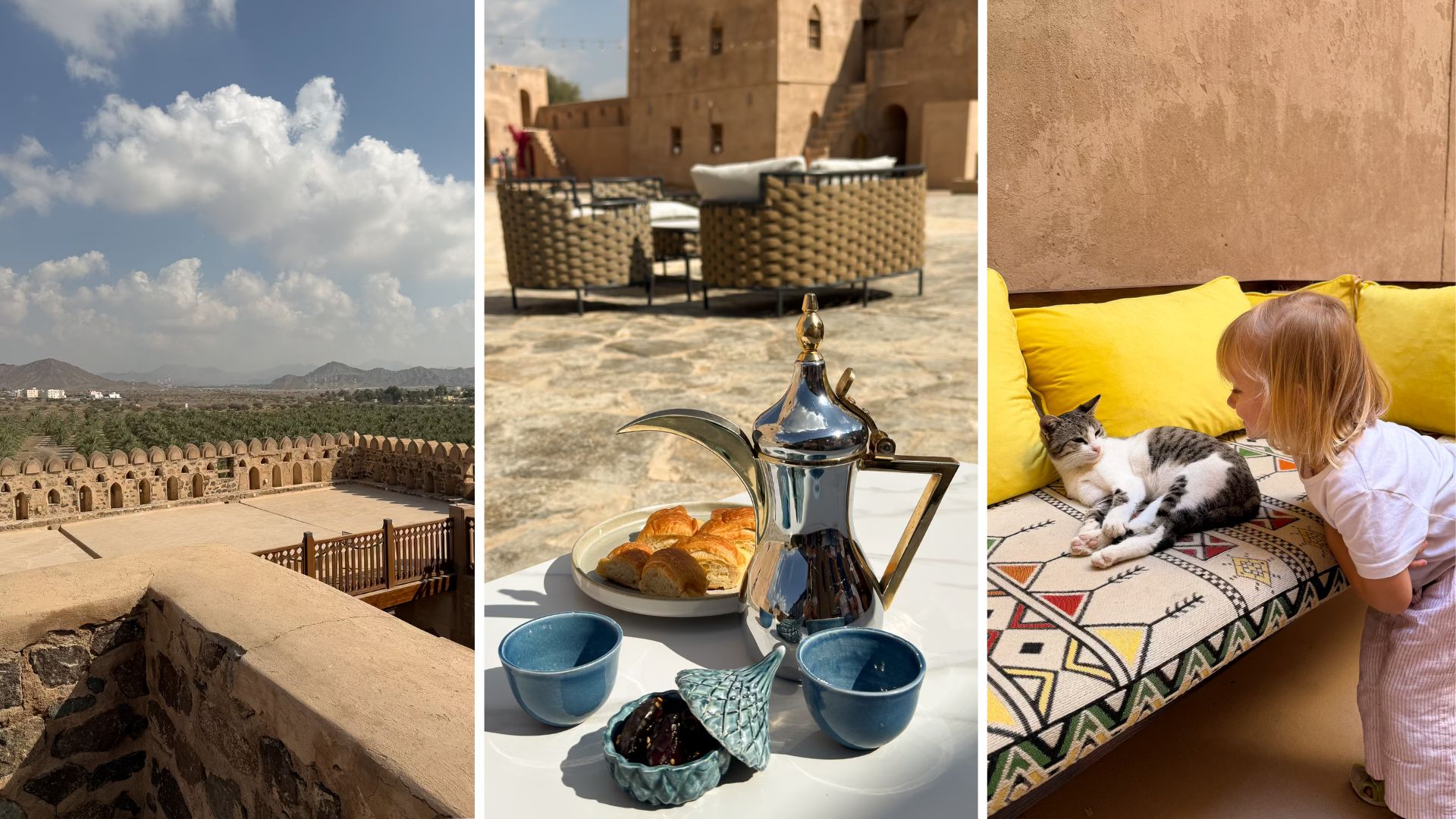
Only about a 30 minute drive from Nizwa lies Jabreen Castle. For us, it is one of the most beautiful castles we visited in Oman.
Inside, you will find beautifully restored rooms with intricate ceiling paintings, delicate wood carvings, and Arabic inscriptions that offer a great insight into life in past centuries.
From the upper floors, you have a wonderful view over the surrounding date palms and the barren landscape beyond.
A visit in the morning or late afternoon is especially rewarding, when the light highlights the castle’s warm colours.
There is a charming café in the inner courtyard, perfect for a short break after your visit.
You can find information about tickets and opening hours on the official website. A free audio guide is included in the entrance fee.

BAHLA FORT
If you are visiting Jabreen Castle, you should definitely also stop at Bahla Fort, which is only about ten minutes away.
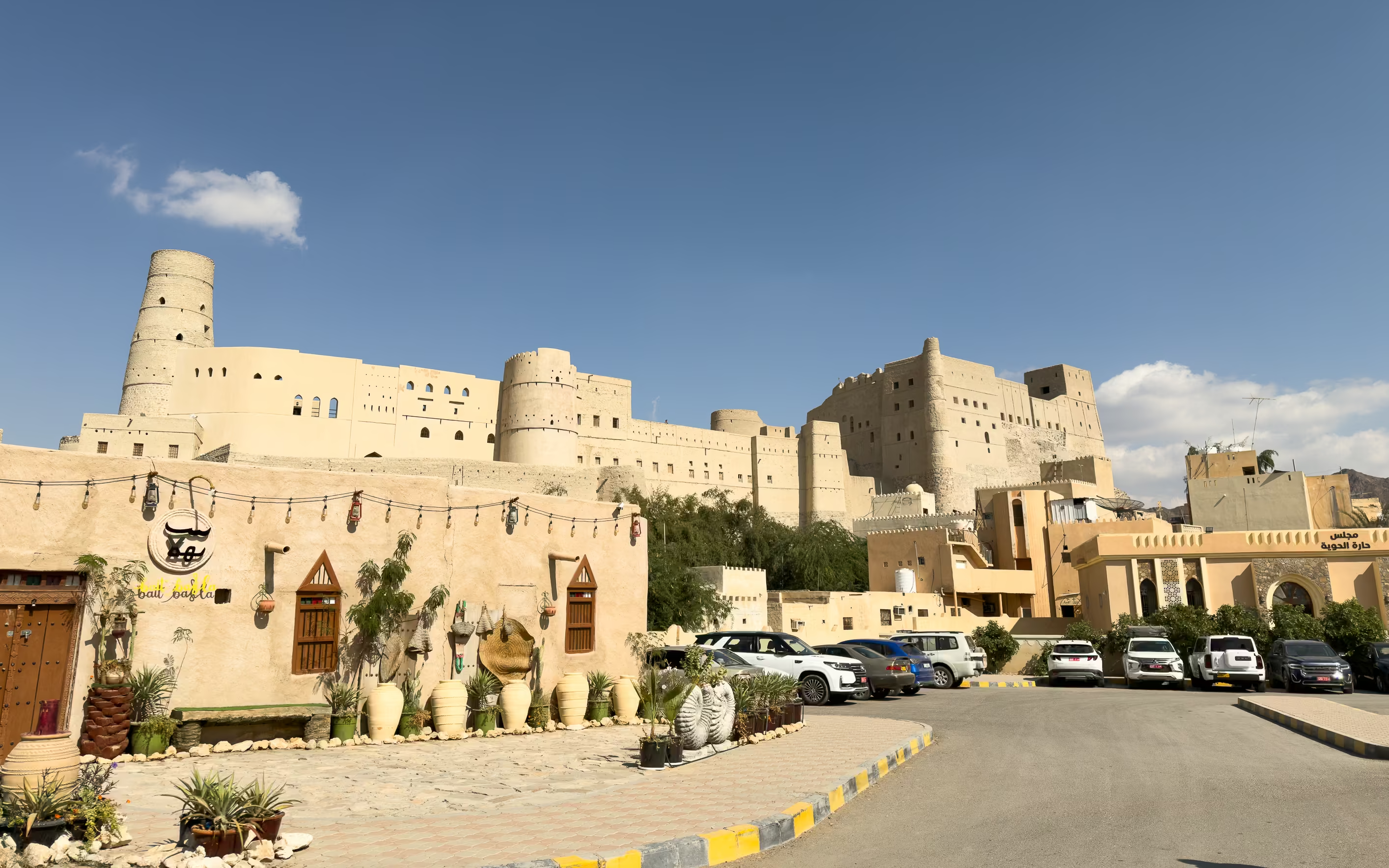
This truly enormous fortress, with its several metre high mud brick walls, was built directly on a rocky outcrop and is a UNESCO World Heritage Site.
It is almost impossible to miss, even from a distance.
Unlike Jabreen Castle, Bahla Fort has so far only been minimally restored. This is exactly what gives it its original and very authentic character.
The vast complex offers fascinating insights into the country’s history. As you explore, you will discover numerous rooms, towers, and courtyards.
Since large parts of the site are exposed to the sun and there are what feels like hundreds of steps to climb, we recommend visiting in the morning or late afternoon.
The fort is also associated with a mosque located outside the walls, for which you need a separate ticket.
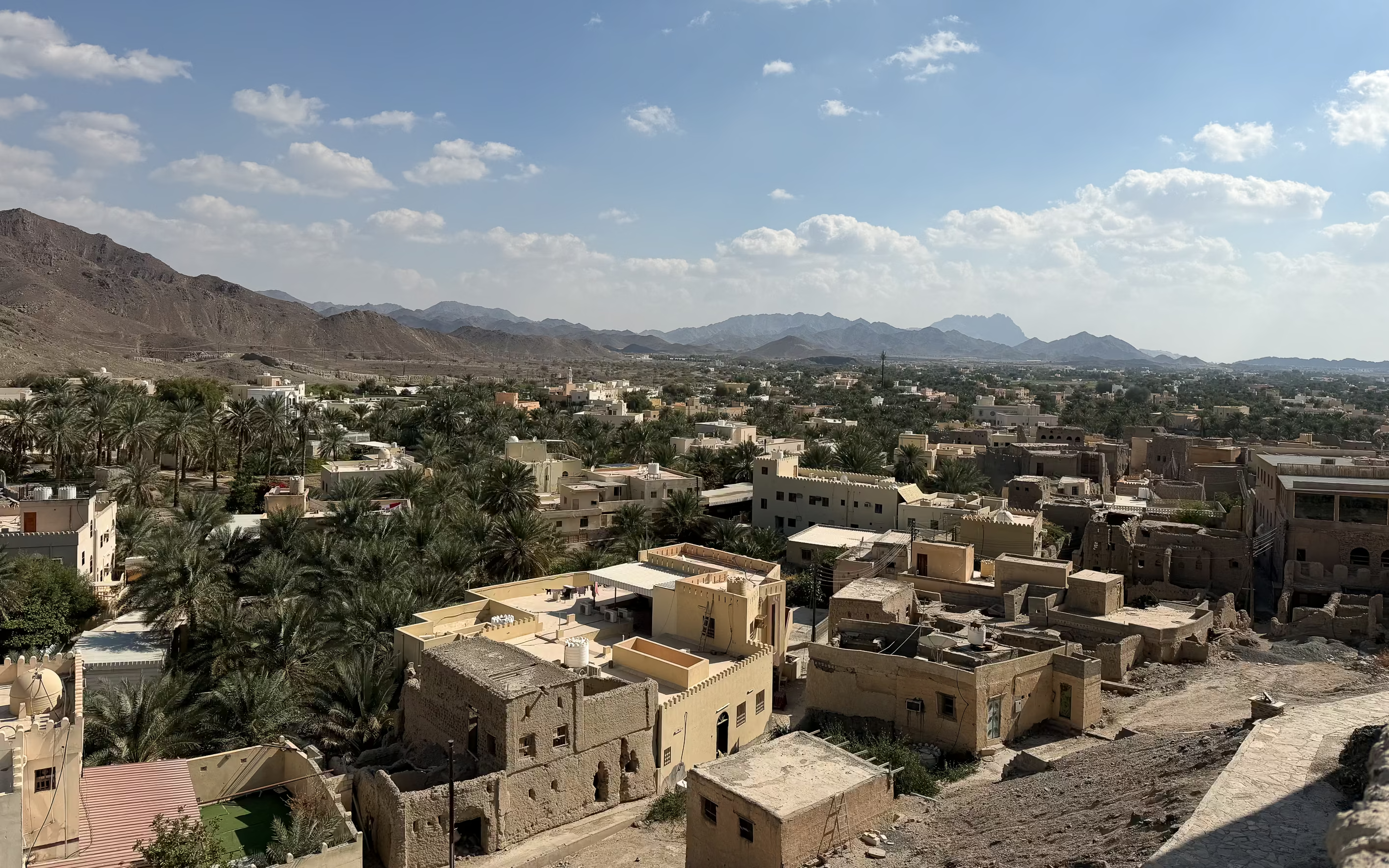
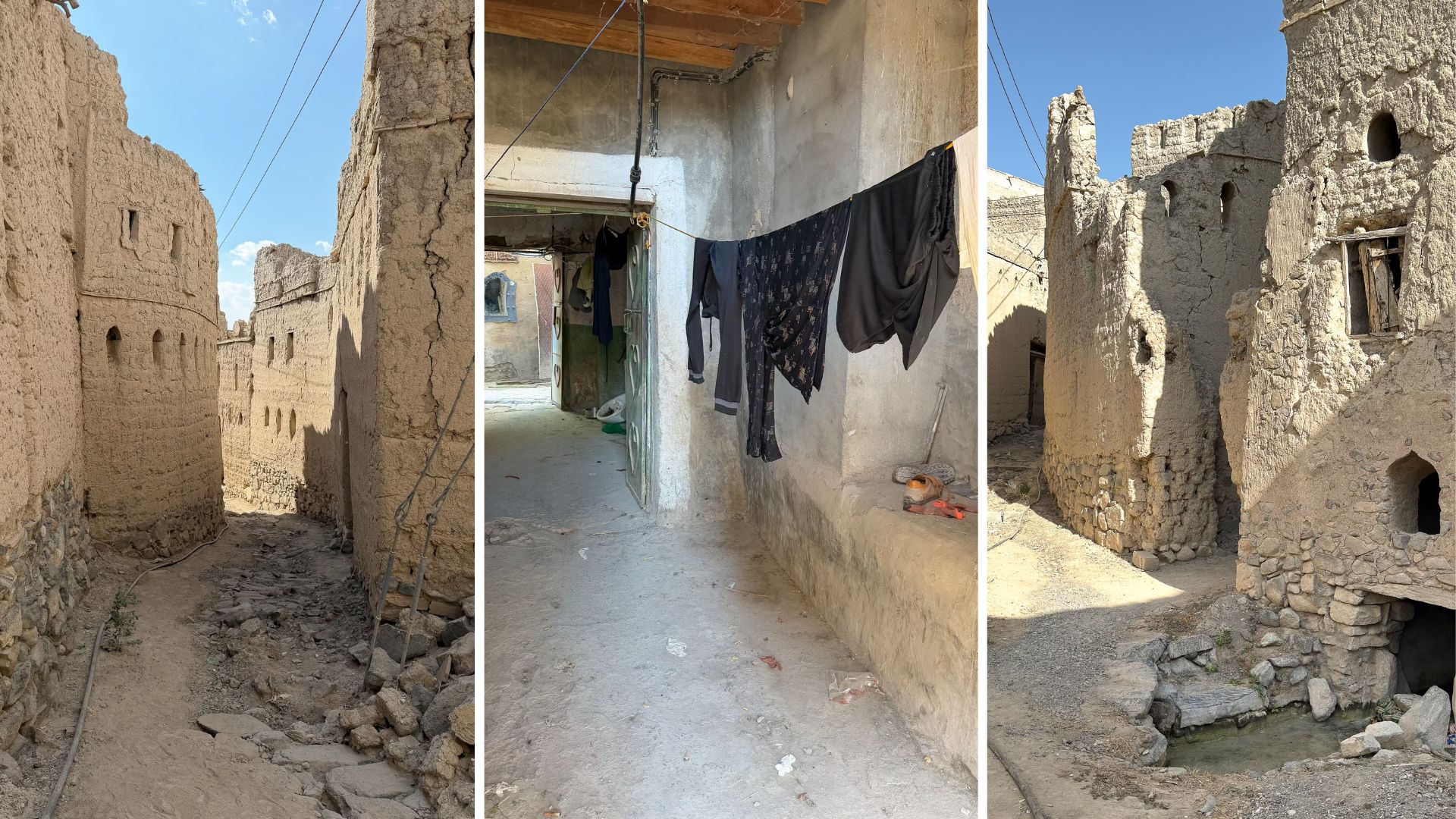
Around the mosque lies a traditional mud brick village, much of which has already fallen into disrepair, yet still provides very authentic impressions.
It is hard to believe that a handful of the houses are still inhabited under these conditions.
You can find information about tickets and opening hours on the official website.
JEBEL SHAMS
Our accommodation: The summit house
Recommended stay: 1 to 2 days
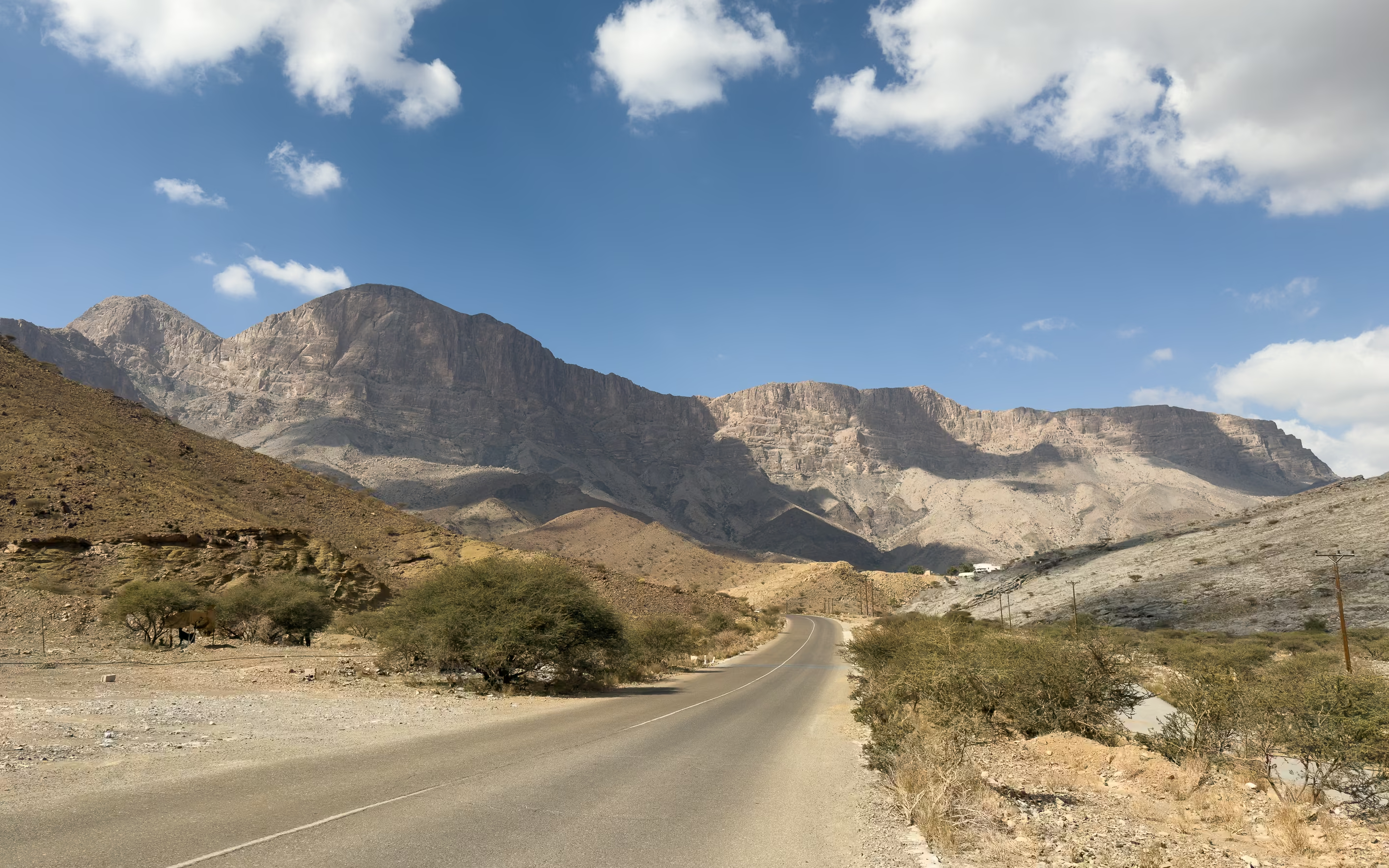
At around 3,000 meters in elevation, Jebel Shams is not only the highest mountain in Oman but also one of the most breathtaking places in the country.
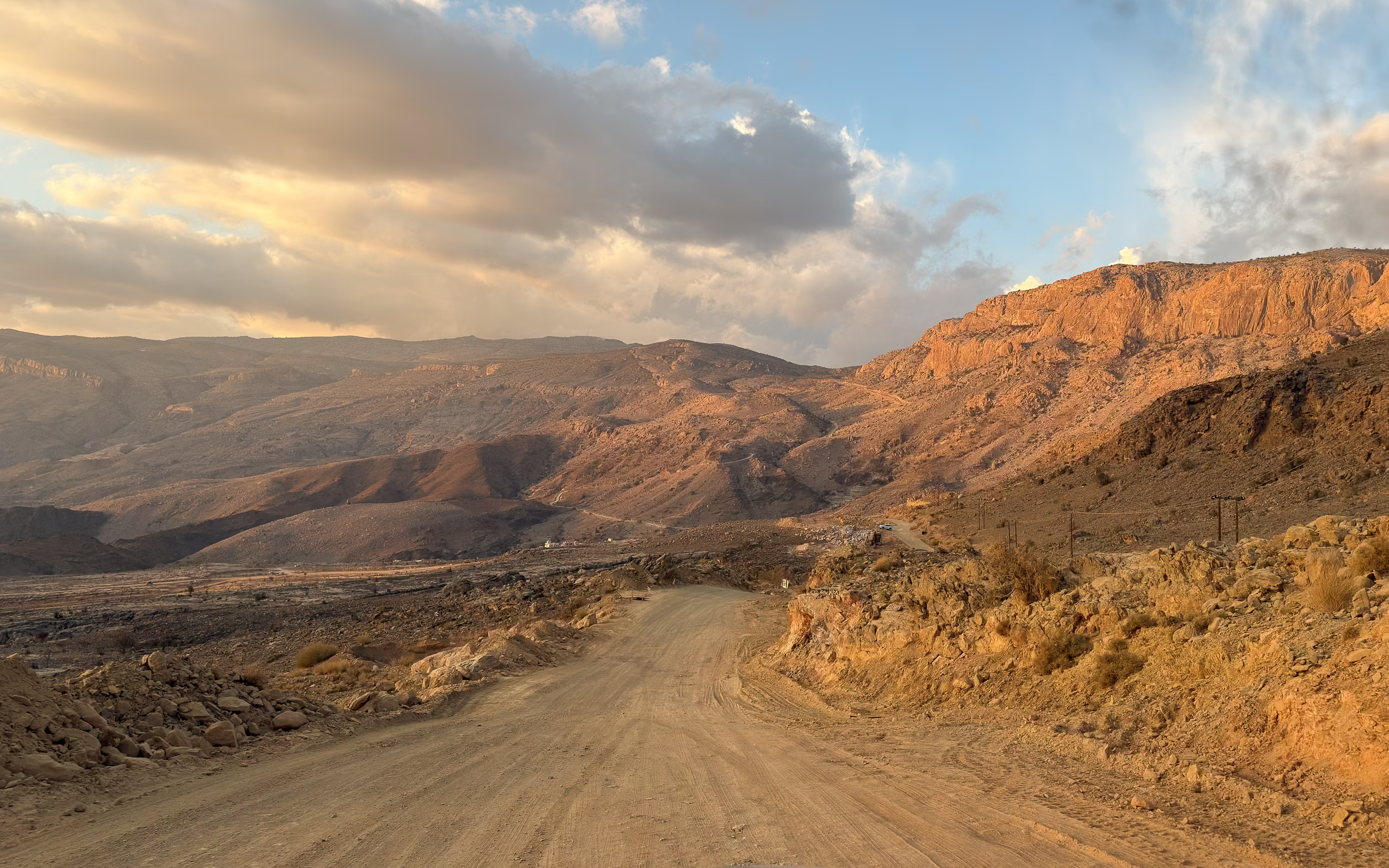
The drive through the Hajar Mountains alone is an unforgettable experience. Winding roads, barren landscapes, and stunning panoramic views accompany you all the way to the top.
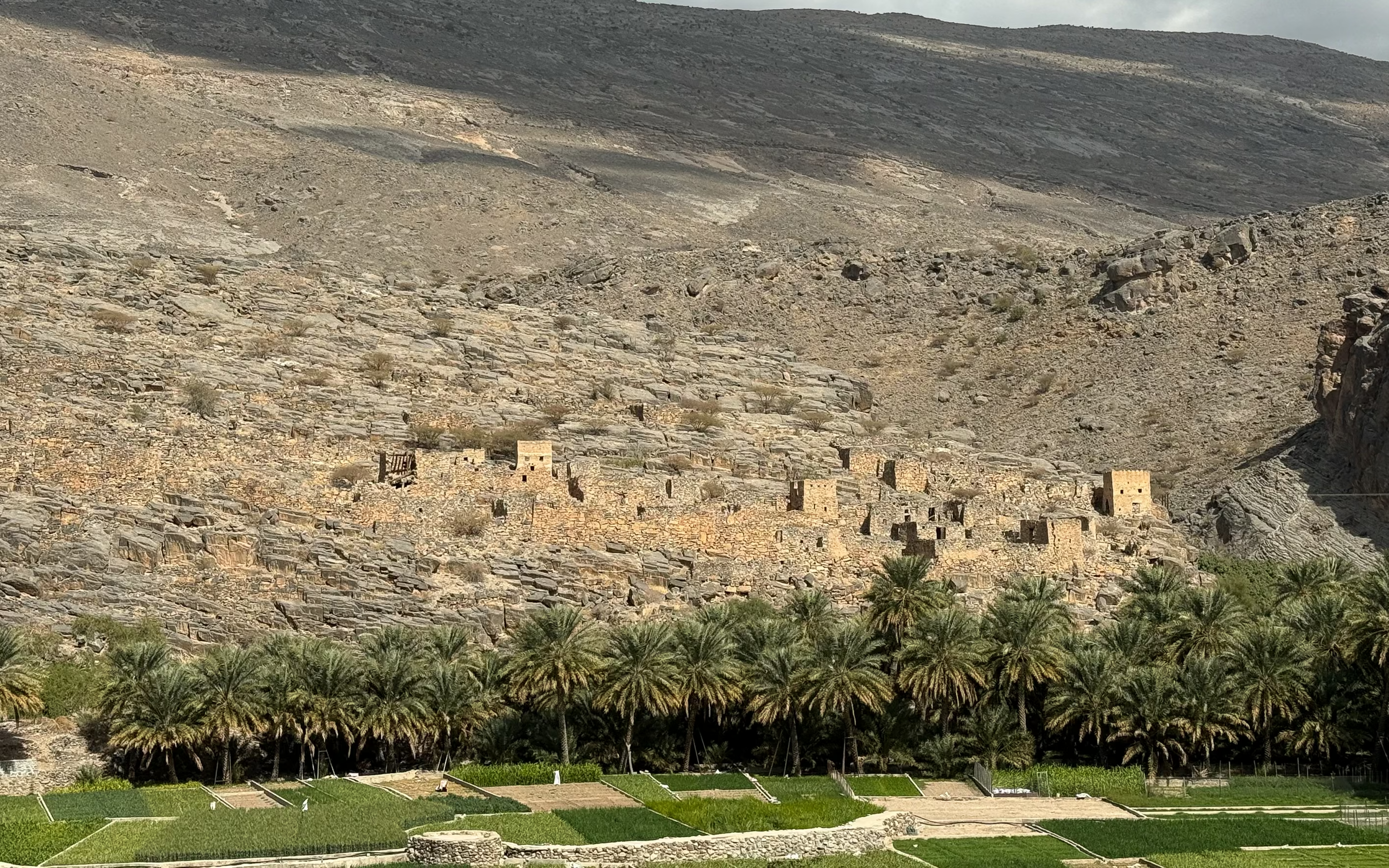
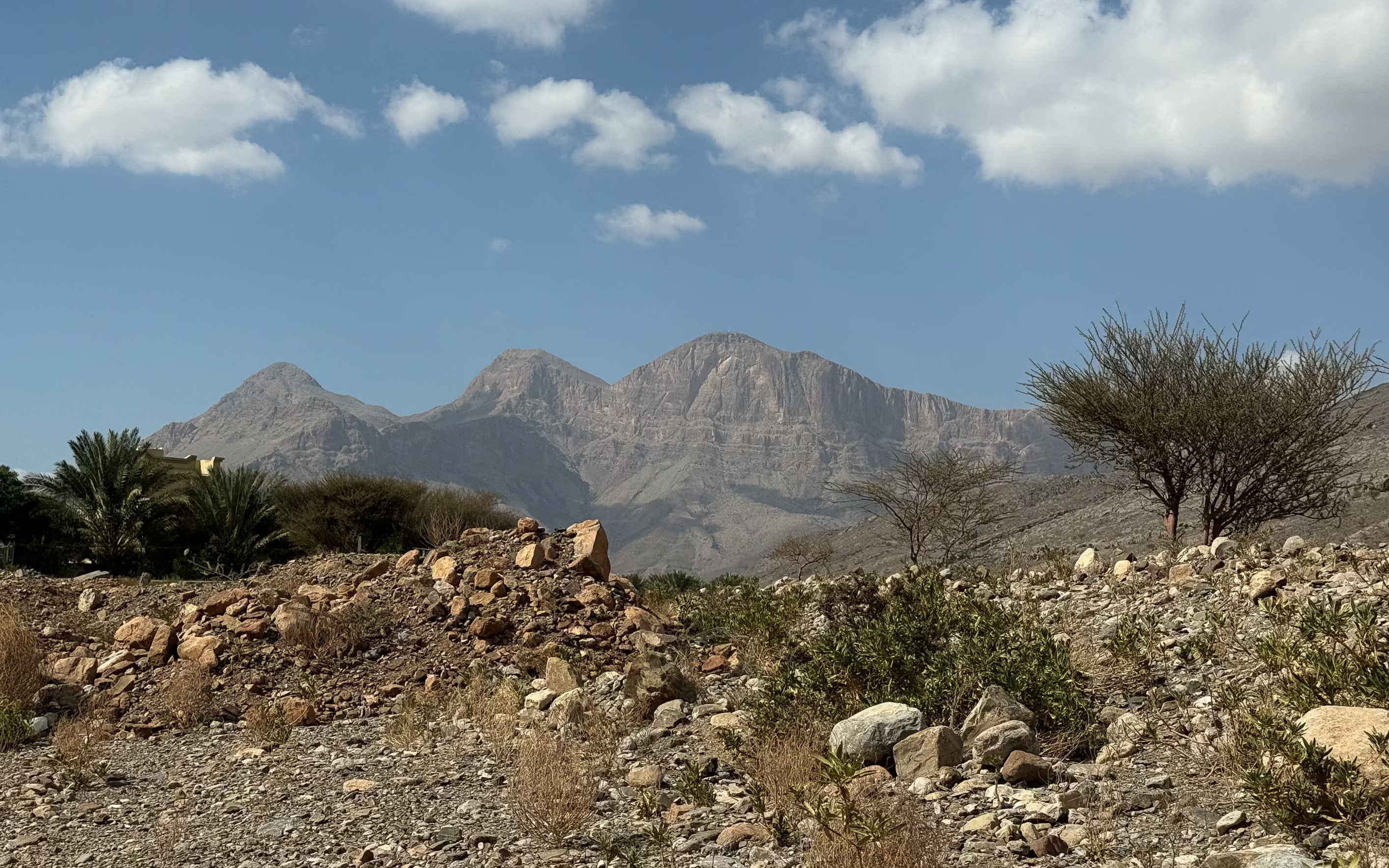
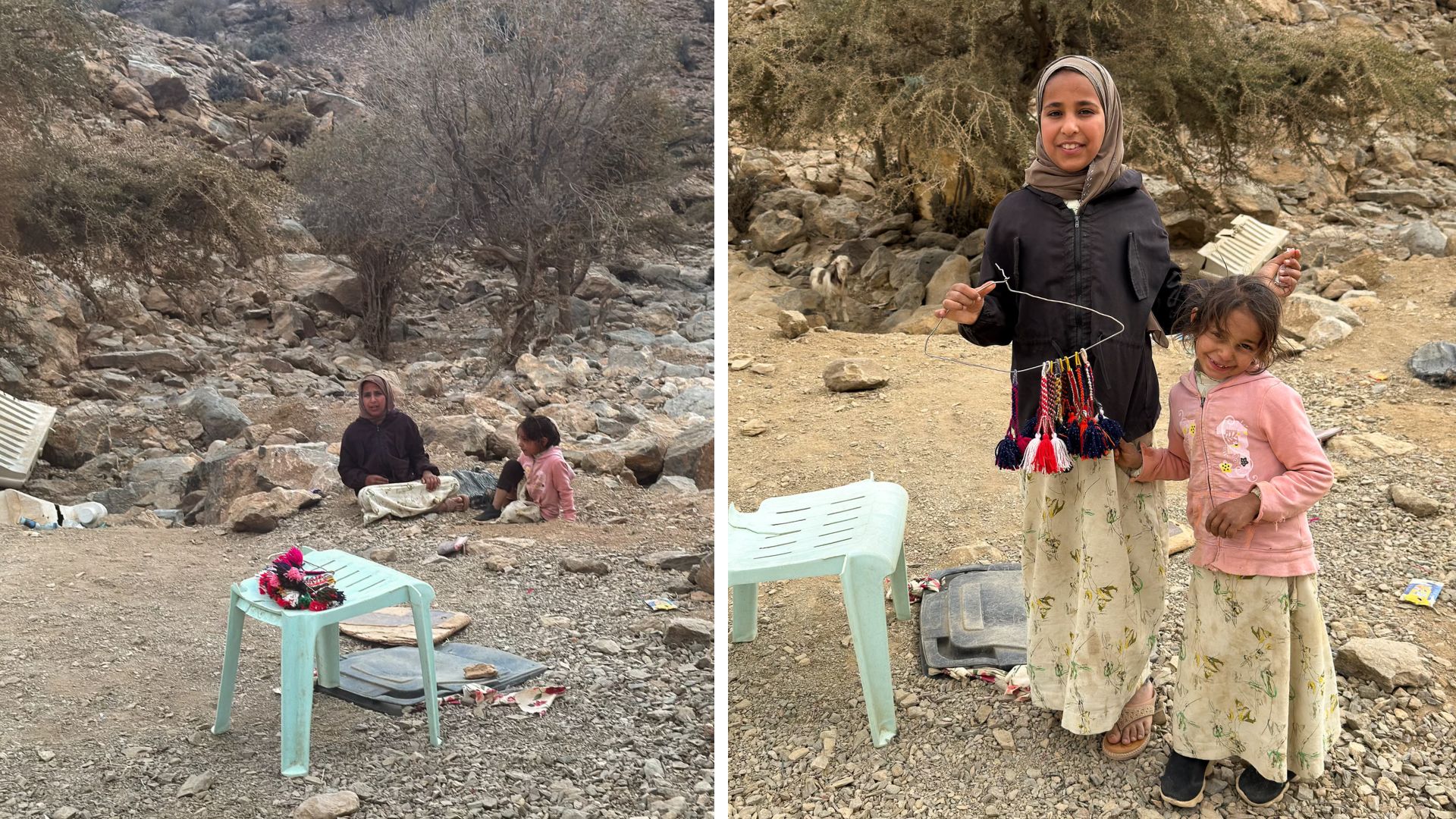
You’ll recognize the first photo and viewpoint by the hanging carpets. It is located right behind a small roadside carpet stall.
From here, you get a fantastic view of the mud houses and ruins of the abandoned old town of Al Hamra, nestled within a lush green oasis.
Up to this point, the road is still well paved. However, that changes further up. From here on, the route continues along an extremely dusty, partly very steep, and unpaved gravel road.
Although it is technically allowed to drive this section with a regular car, we would not recommend it to anyone.
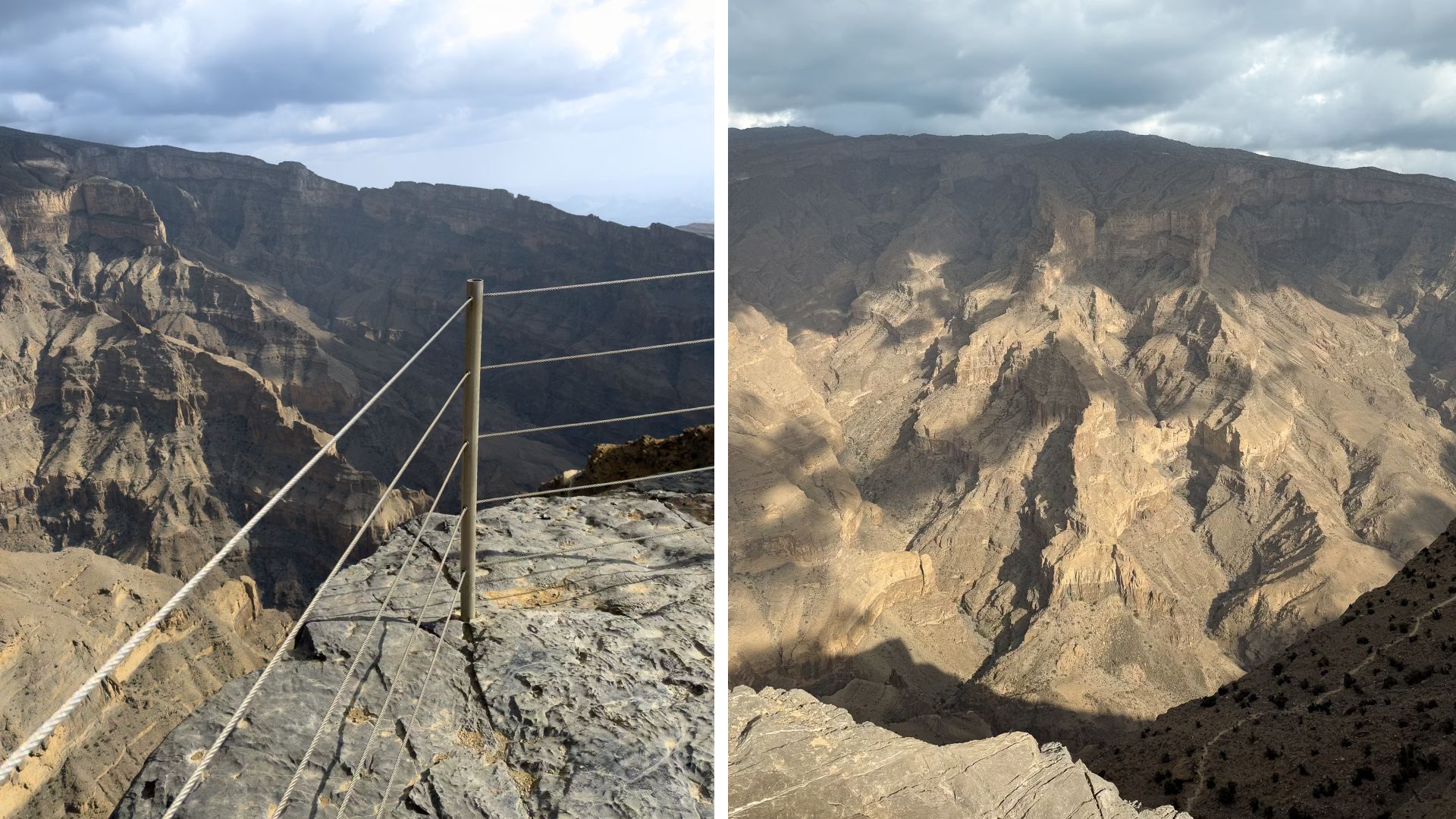
At around 2,000 meters above sea level, you’ll finally reach a spectacular lookout known as Viewpoint 3. Here, a breathtaking view into the Grand Canyon of Oman awaits you.
Part of the area along the road is secured with a barrier. However, this protection ends a little further on, so extra caution is required here.
If you’re in the mood for a coffee and a delicious slice of cake, you’ll find a cozy café with fair prices right at the viewpoint.
Good to know: The summit of Jebel Shams is not accessible to the public, as there is a radar station belonging to the Omani military located at the top.
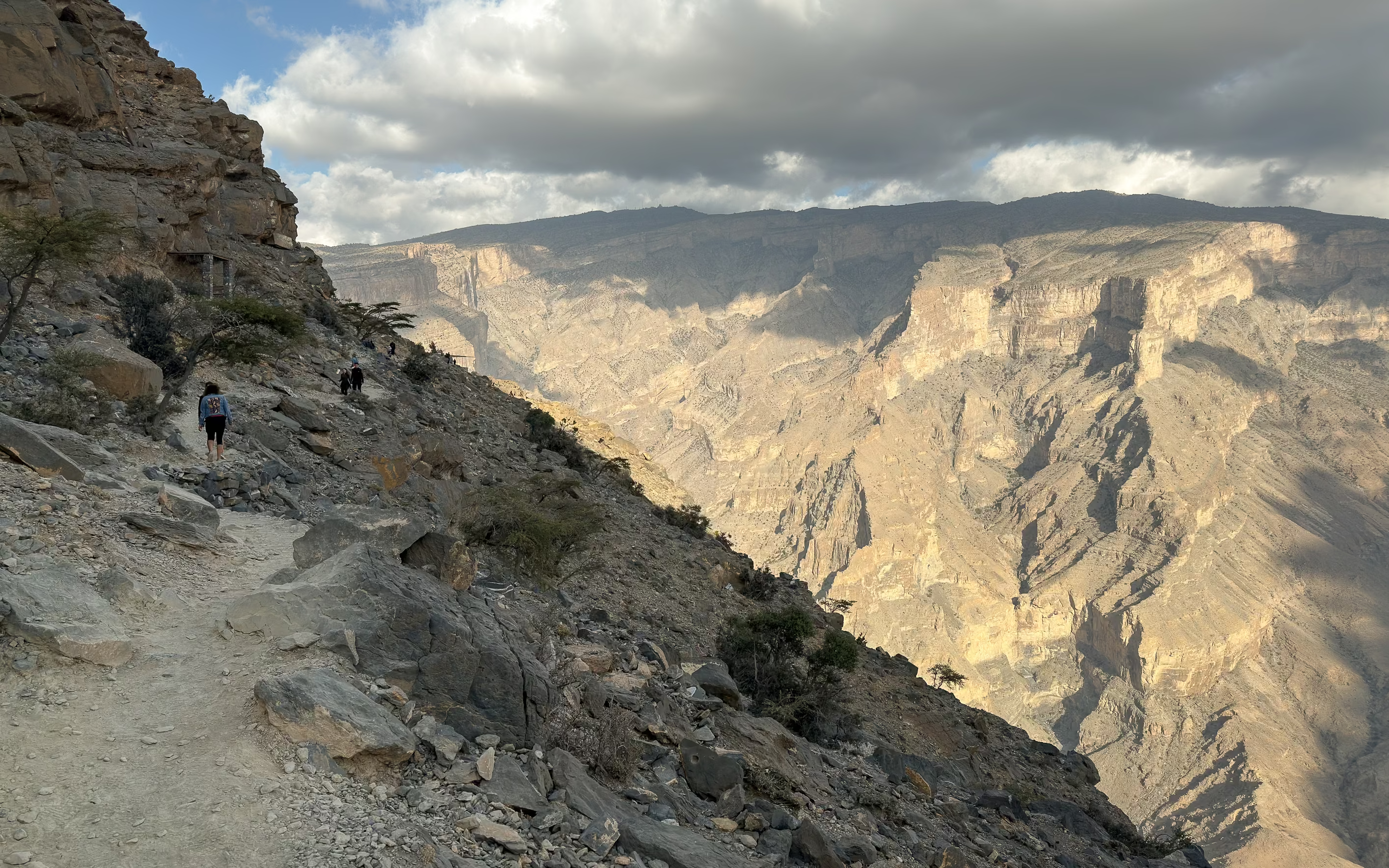
However, hiking enthusiasts have another highlight to look forward to. Instead of a summit climb, there’s the famous Balcony Walk (W6 hike).
This roughly 4.5-kilometer trail is marked with red, white, and yellow signs and runs largely right along the canyon wall. Throughout the entire hike, you’ll enjoy truly spectacular views.
The route is manageable even for less experienced hikers, but it does require surefootedness and a head for heights.
With proper confidence and care, the narrow footpath can even be walked in trainers or sneakers.
Most of the outward route is downhill. The return follows the same path, but this time back uphill.
The trail ends at a via ferrata which can only be tackled by experienced climbers with the proper equipment. Alternatively, you can join a guided tour that includes the necessary gear.
For the Balcony Walk hike, you should plan at least 3 hours, ideally 4.
.jpg)
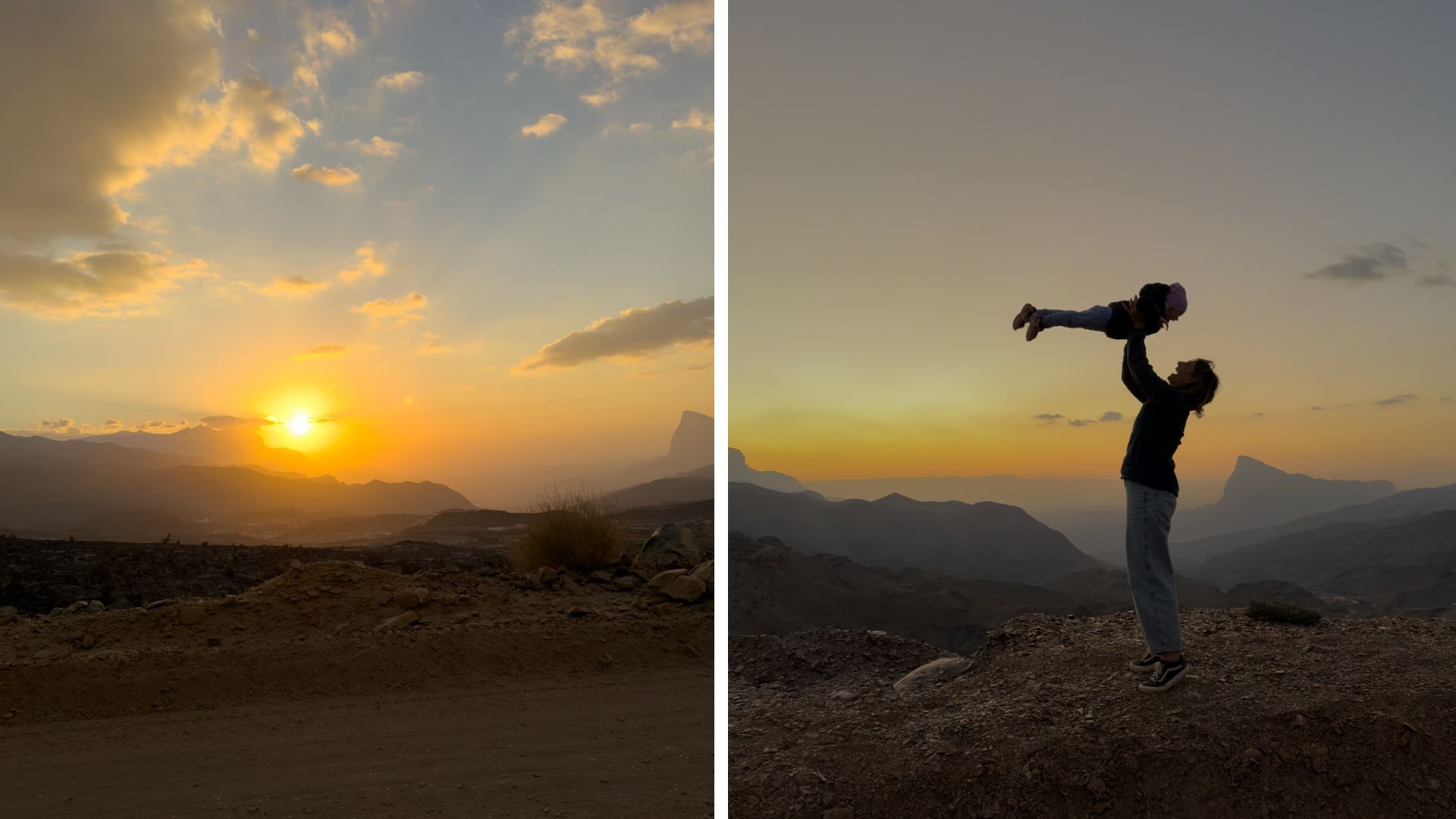
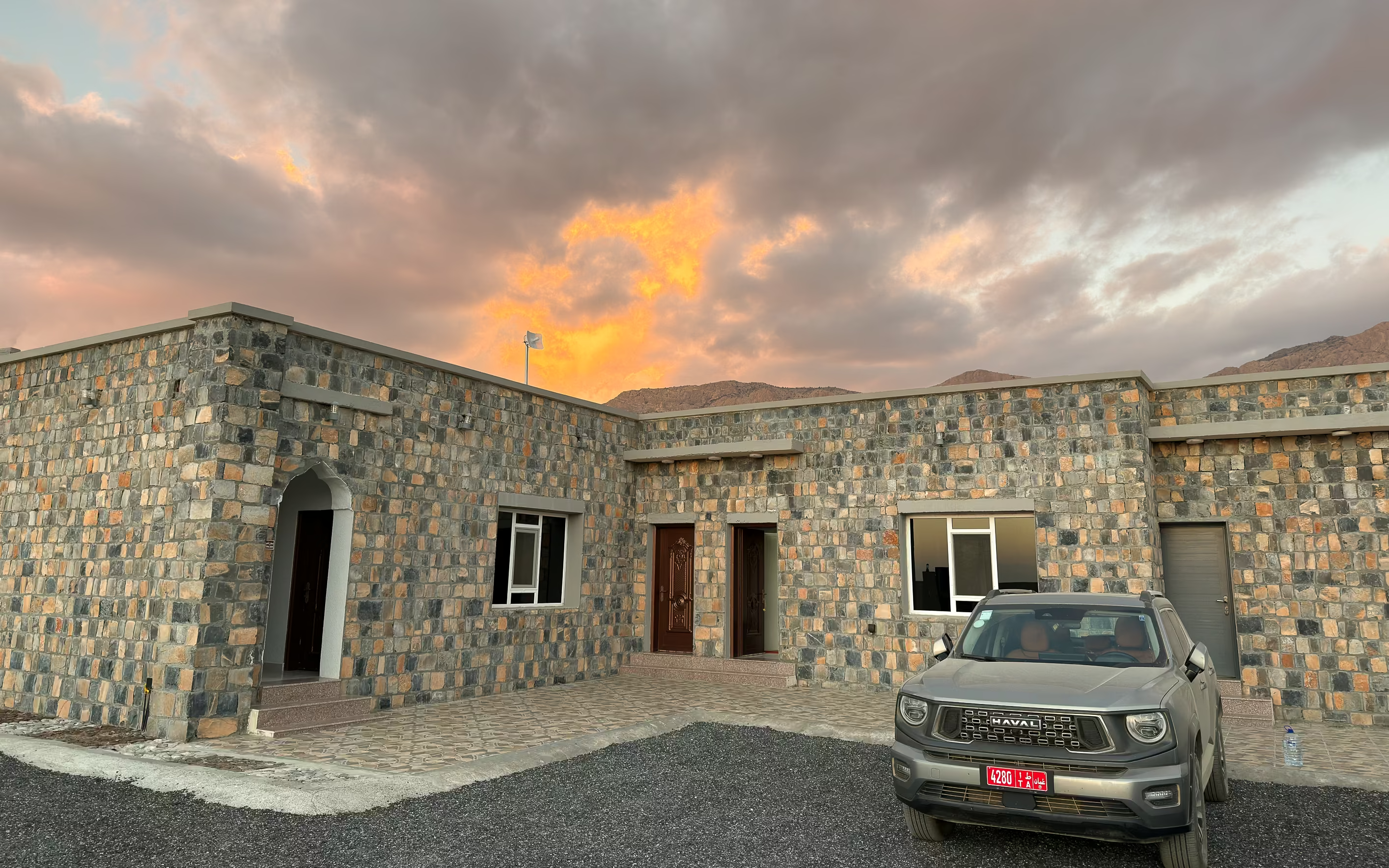
Accommodation tip: We stayed at The Summit House and would book it again anytime. The house is spacious, modern, and very clean, while the rooms are bright and exceptionally roomy.
From here, you can enjoy a stunning sunset in the evening and a beautiful sunrise in the morning.
The accommodation offers everything you need for self catering. A fully equipped kitchen, a barbecue area, and plenty of space to relax are available.
If you prefer more comfort, you can book a delicious dinner and breakfast with the warm and welcoming host for a small additional fee.
The drive to the property is easy and can be done with a regular car without four wheel drive.
Good to know: Nights in the mountains around Jebel Shams can get quite chilly. Temperatures often drop below 10 degrees Celsius.
Make sure to pack warm clothing for the evening and early morning hours.
JABAL AL AKHDAR
Our accommodation: Sama Hotel Jabal Al Akhdar
Recommended stay: 1 to 2 days
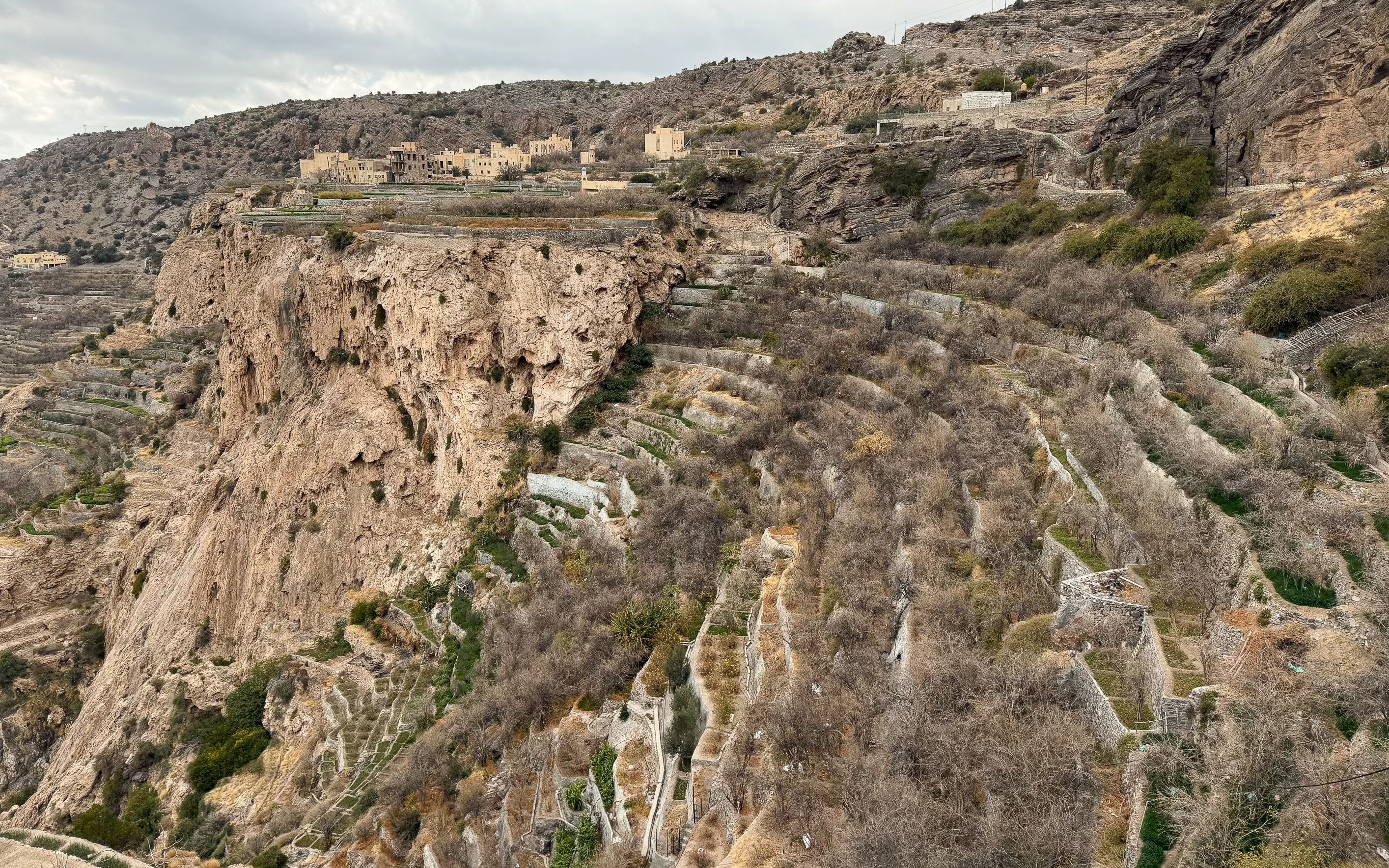
Jabal Al Akhdar is also part of the Hajar Mountains and its name translates to Green Mountain. The name is very fitting, as the region is home to numerous plantations.
Roses, pomegranates, and apricots are grown here, among other crops. The green terraced fields shape the landscape, which would otherwise appear rather barren and rocky.
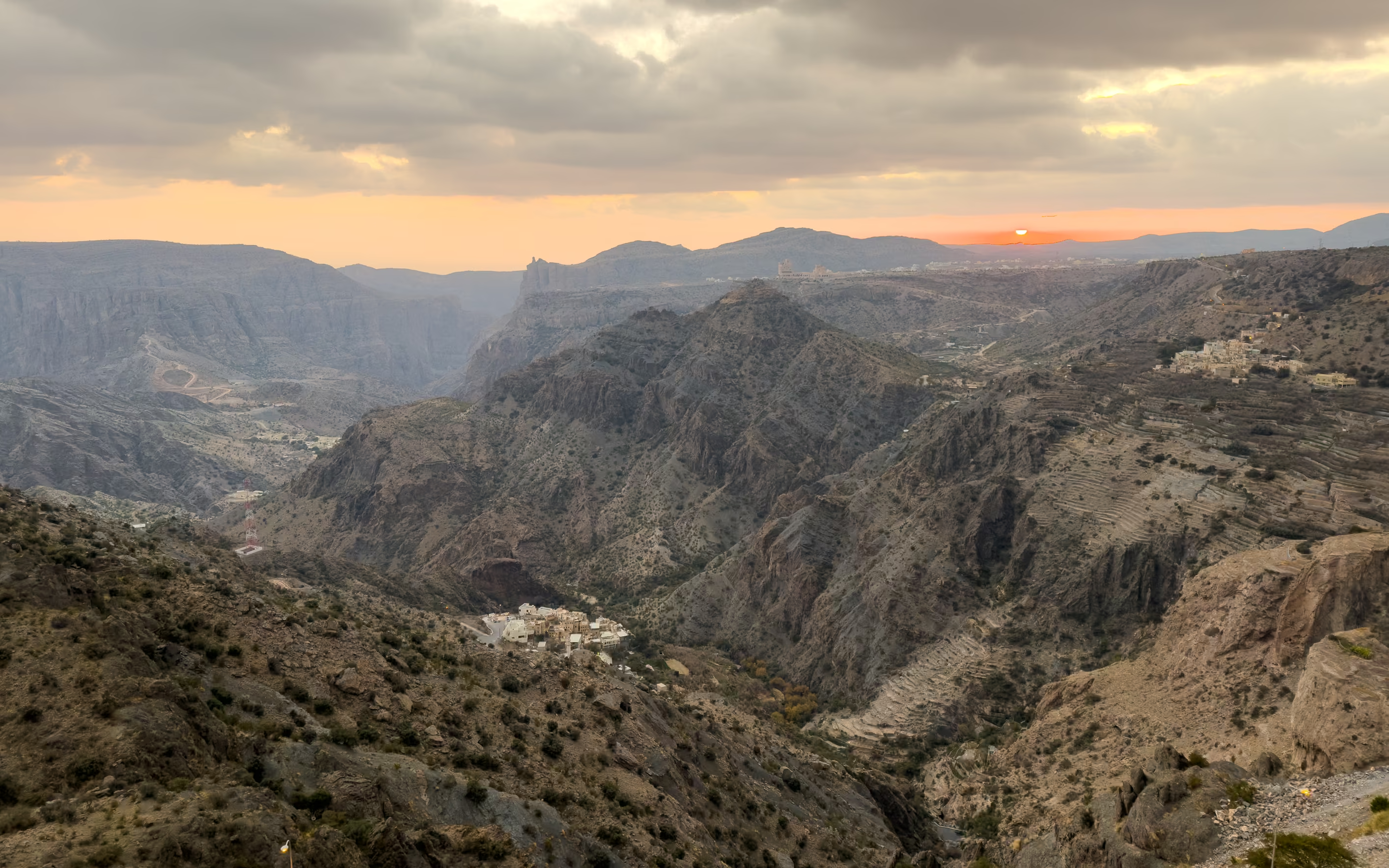
The region lies at around 2,000 meters above sea level and is known for its mild climate. Temperatures here are about 15 degrees Celsius lower than in the coastal regions of Oman.
It is therefore no surprise that many locals come to this mountain area in summer to escape the extreme heat and dryness.
Holidays in the mountains are also becoming increasingly popular with tourists.
No wonder, as several luxury hotels offer spectacular views of the surrounding mountains and canyons along with first class service.
Hiking is one of the most popular activities in Jabal Al Akhdar. You will find numerous hiking trails for all difficulty levels.
Many routes, such as the popular Three Villages Walk or the W18b trail, are well signposted. They lead through small villages and along terraced fields, so you do not need a guide.
Climbing is also very popular here. However, you should always book this activity through a local provider.
The guides know the region extremely well and have the necessary equipment as well as the required experience.
From the Terraced Fields Viewpoint, which you can easily reach by car, you get a fantastic view. The viewpoint offers a beautiful panorama of a vast pomegranate plantation.
By the way, if you are still looking for a great hotel with a pool and stunning views, but do not want to pay the high price of one of the neighboring five star resorts, we highly recommend the Sama Hotel. It is located directly above the Terraced Fields Viewpoint. Both from the spacious terrace and from the balcony of our room, we had a wonderful view of the spectacular surroundings.
The atmosphere here is especially beautiful at sunset.
Another big advantage is the hotel’s location. From here, you can start several hikes, including the Three Villages Walk, which begins just below the hotel.
One of our absolute highlights was the incredible starry sky you can see here at night. Thanks to the altitude and the low level of light pollution, conditions for stargazing are ideal.
Our tip: Bring warmer clothing, especially for the evenings, nights, and early mornings. It can get surprisingly cold up here, particularly in winter.
During our stay in December, daytime temperatures were only 9 degrees Celsius, while Muscat enjoyed a pleasant 25 degrees Celsius.
Access to Jabal Al Akhdar is only permitted with a four wheel drive vehicle. To be honest, we could not fully understand this rule, as the roads are consistently very well developed and fully paved. Yes, some sections are quite steep and resemble certain mountain passes in Austria or Switzerland, but in our opinion, this does not necessarily require a four wheel drive vehicle.
Nevertheless, the four wheel drive requirement is checked by police at a control point. We were also asked about our destination, the number of people in the car, and our country of origin.
SEEB
Our accommodation: Mysk Al Mouj Hotel
Recommended stay: 1 to 3 days
The coastal city of Seeb, located around 30 kilometers from Muscat, marked the end of our Oman road trip. It is not a classic tourist destination, as it often stands in the shadow of the capital. However, that was exactly one of the reasons why we chose to spend our final days in the Sultanate here.
In Seeb, you will find a long, wide beach that is mostly visited by locals. This makes it much quieter than the beaches in Muscat.
The modern promenade is popular with Omanis for evening walks, jogging, and cycling, both for young and old.
The lively city offers numerous cafés and restaurants. We especially liked the chain Barrista. There are also many large supermarkets, shopping malls, and a truly authentic souq located just a few meters from the beach. Here, you get an honest glimpse into everyday local life and come across goods that are not aimed at tourists. During our stay, we hardly encountered any other travelers.
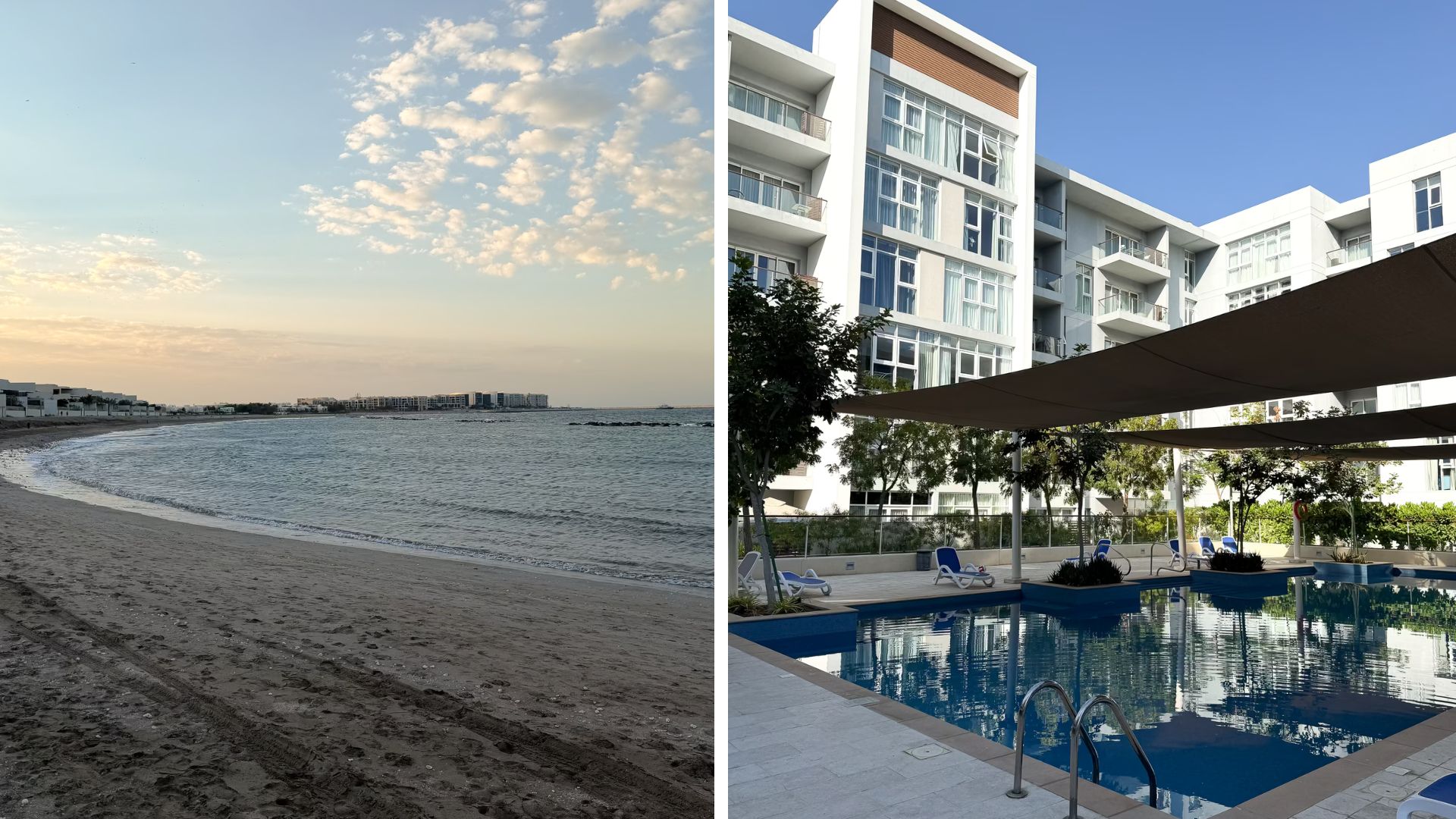
By the way, if you are still looking for a really great place to stay, we can recommend the modern residential area of Al Mouj.
This area is home not only to exclusive apartments and houses of locals, but also to beautiful hotels such as Mysk Al Mouj, Voco, and the Kempinski Hotel.
The complex offers everything you need for a relaxing beach holiday. This includes a private sandy beach, spacious pool areas, playgrounds, and numerous cafés and restaurants.
There is also a marina where daily activities such as boat trips, water skiing, and jet ski rides are offered.
Another advantage is the immediate proximity to the airport.
We spent three days here and could easily have stayed much longer.
And if you want to take a day trip to the famous Daymaniyat Islands, Seeb is also the perfect base for that.
The islands, located about 18 kilometers off the coast, have been a protected nature reserve since 1966 and can therefore only be visited as part of guided tours.
From Seeb, boats depart daily to take you out to this unique natural paradise.
In addition to stops at the island beaches, most tours also include snorkeling stops. Here you have the opportunity to discover brightly colored coral and many tropical fish in the crystal clear water.
A special highlight is the numerous sea turtles that live around the Daymaniyat Islands. With a bit of luck, you may even spot dolphins during the boat ride, as they are frequently seen in this area.
You should plan at least five hours for the tour. Remember to pack towels, enough drinking water, some snacks, and sun protection.
You can get your ticket for the tour here: Boat Tour Daymaniyat Islands.
If you are interested in a dolphin watching tour lasting around two hours, you can also join one from here. The boats depart twice daily in the morning.
You can get your tickets for the tour here: Dolphin Watching from Seeb.
WAS THIS ARTICLE NOT ENOUGH FOR YOU? DO YOU WANT EVEN MORE TIPS, INSPIRATION, AND TOP SIGHTS FOR YOUR OMAN TRIP? THEN MAKE SURE TO CHECK OUT OUR FOLLOWING ARTICLES:
- Oman Road Trip Itinerary for Self Drivers
- Discover Muscat: Sights & Tips for Oman’s Capital
- Oman with a Baby or Toddler: Tips, Useful Information & Our Experience
- Driving in Oman: Car Rental Tips, Road Conditions & What to Know
USEFUL LINKS & RECOMMENDED TRAVEL GUIDES FOR YOU
- Discover the best accommodations
- Find affordable flights at skyscanner.com
- Find affordable rental cars at DiscoverCars
- The best Travel Guides for Oman
- Unique Excursions to Experience in Oman
Note: This blog post contains our personal recommendations in the form of so-called affiliate links. If you book or purchase something through these links, we earn a small commission. There is absolutely no change to the price for you.
Table of contents
Our Travel Destinations


Newsletter
Subscribe to our newsletter
Vielen Dank! Sie haben sich erfolgreich für unsere Updates angemeldet!
Oops! Etwas ist beim Absenden des Formulars schief gelaufen.
If you have any questions or additions to this blog post, feel free to send us a message.
Vielen Dank! Ihre Nachricht wurde erfolgreich gesendet, und wir werden Ihnen bald antworten!
Oops! Etwas ist beim Absenden des Formulars schief gelaufen.