.svg)
.svg)
26.6.2026
.svg)
Beitragsübersicht
.svg)
While most travelers explore northern Oman with Muscat, Nizwa, the Hajar Mountains, and the Wahiba Desert, the country's south often remains overlooked.
This is likely due to the long journey from the capital to Salalah. Around ten hours on the road through seemingly endless landscapes can be daunting for many.
While a domestic flight offers much greater comfort, the additional cost and limited vacation time often mean that northern Oman, with its many highlights, already provides a complete Oman experience for most visitors.
Those who make the long journey or invest in a flight to southern Oman certainly won't be disappointed. It doesn't take long to notice the unique charm of this region.
Lush green landscapes unlike anything you would normally expect in Oman, swaying palm trees, impressive wadis, waterfalls, and dramatic mountain scenery create a diverse and surprisingly varied backdrop.
The region's long sandy beaches and vibrant underwater world make it a popular destination not only for visitors from the Gulf states but also for travelers from around the globe.
In this guide, you'll discover the top attractions and must-see places in and around Salalah that you shouldn't miss during your visit.
By the way: If you're curious about what northern Oman has to offer, be sure to read our post "Road Trip Through Northern Oman: Highlights Between Muscat, Coast, Wadis, Desert, and Mountains."
BEST TIME TO VISIT SALALAH & SOUTHERN OMAN
Salalah and its surrounding region are year-round destinations, with each season offering a unique travel experience. The best time to visit depends largely on your personal preferences.
During the Khareef season, known as autumn in Arabic, the monsoon transforms the region from late June to early September.
At this time of year, the landscape turns surprisingly green, the hills are often shrouded in dense mist, and light rain falls almost daily.
Instead of the intense heat experienced across the rest of Oman, where temperatures regularly exceed 40°C, Salalah enjoys much more pleasant temperatures between 20 and 25°C.
This season is especially popular with visitors from the neighboring Gulf countries, who come to escape the scorching summer heat and enjoy the cooler, more humid climate.
If you prefer warm, sunny weather, the best time to visit Salalah is between October and April.
With temperatures ranging from 22 to 30°C, this period offers ideal conditions for relaxing beach days as well as a wide range of water sports and outdoor activities.
ACCOMMODATION TIP: HAWANA SALALAH
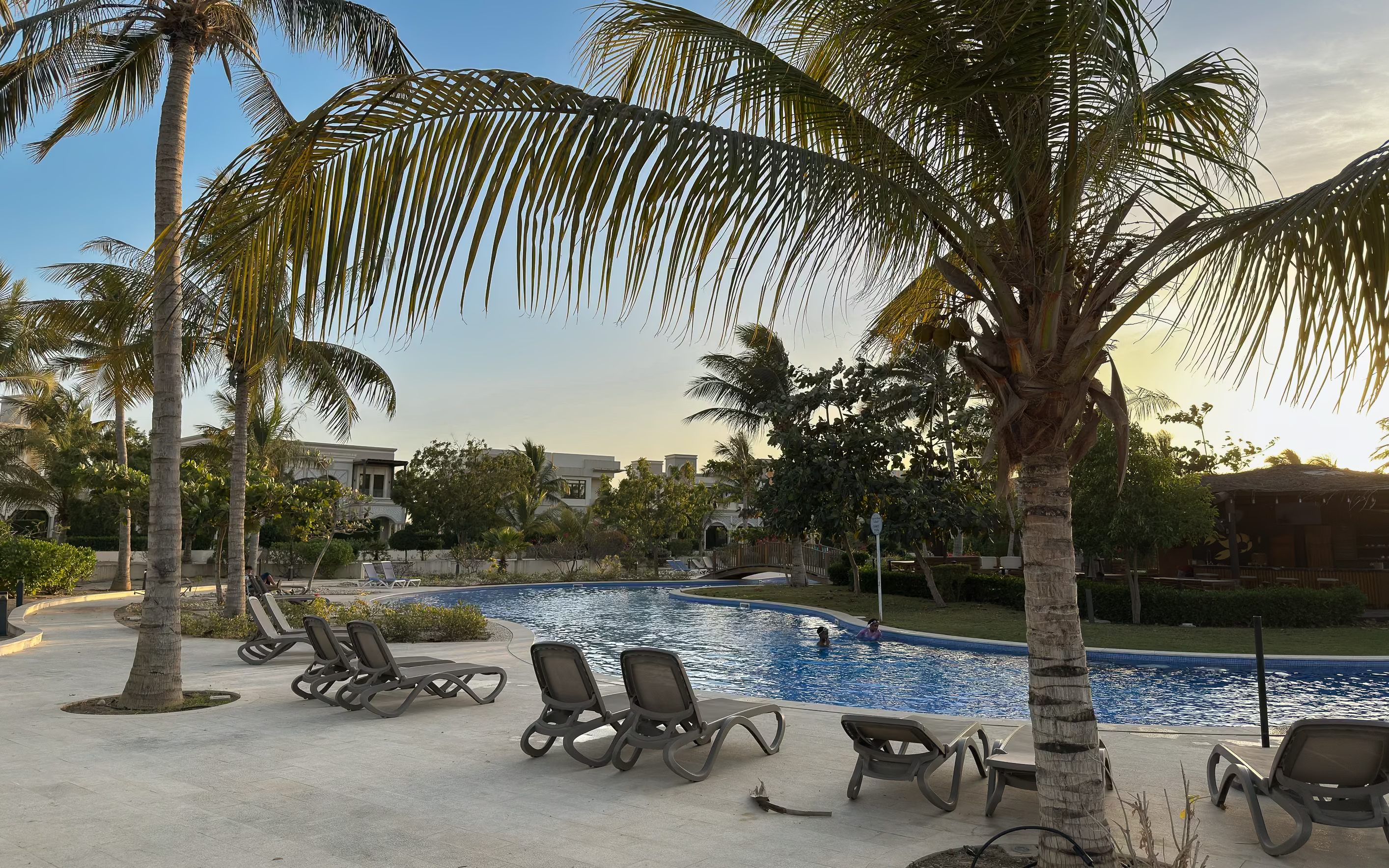
One of the best areas to stay in Salalah is the Hawana Salalah resort complex.
This spacious development offers a great mix of luxury resorts, modern apartments, and comfortable holiday homes.
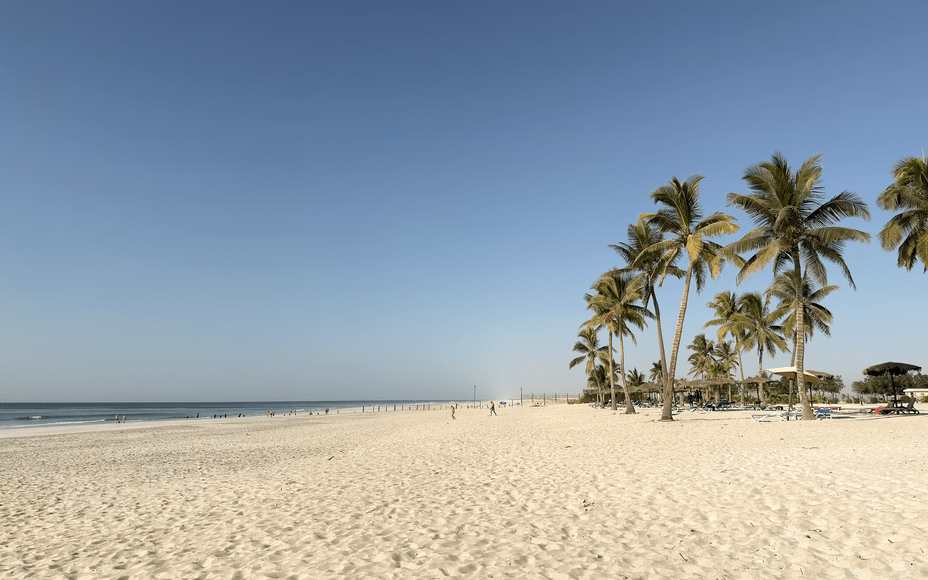
Guests can enjoy an eight-kilometer stretch of fine sandy beach, a large pool area, and an aquapark just outside the complex, which is especially popular with families.
The resort also features a charming marina promenade lined with restaurants, cafés, and a selection of small shops, although prices here tend to be a little higher than elsewhere.
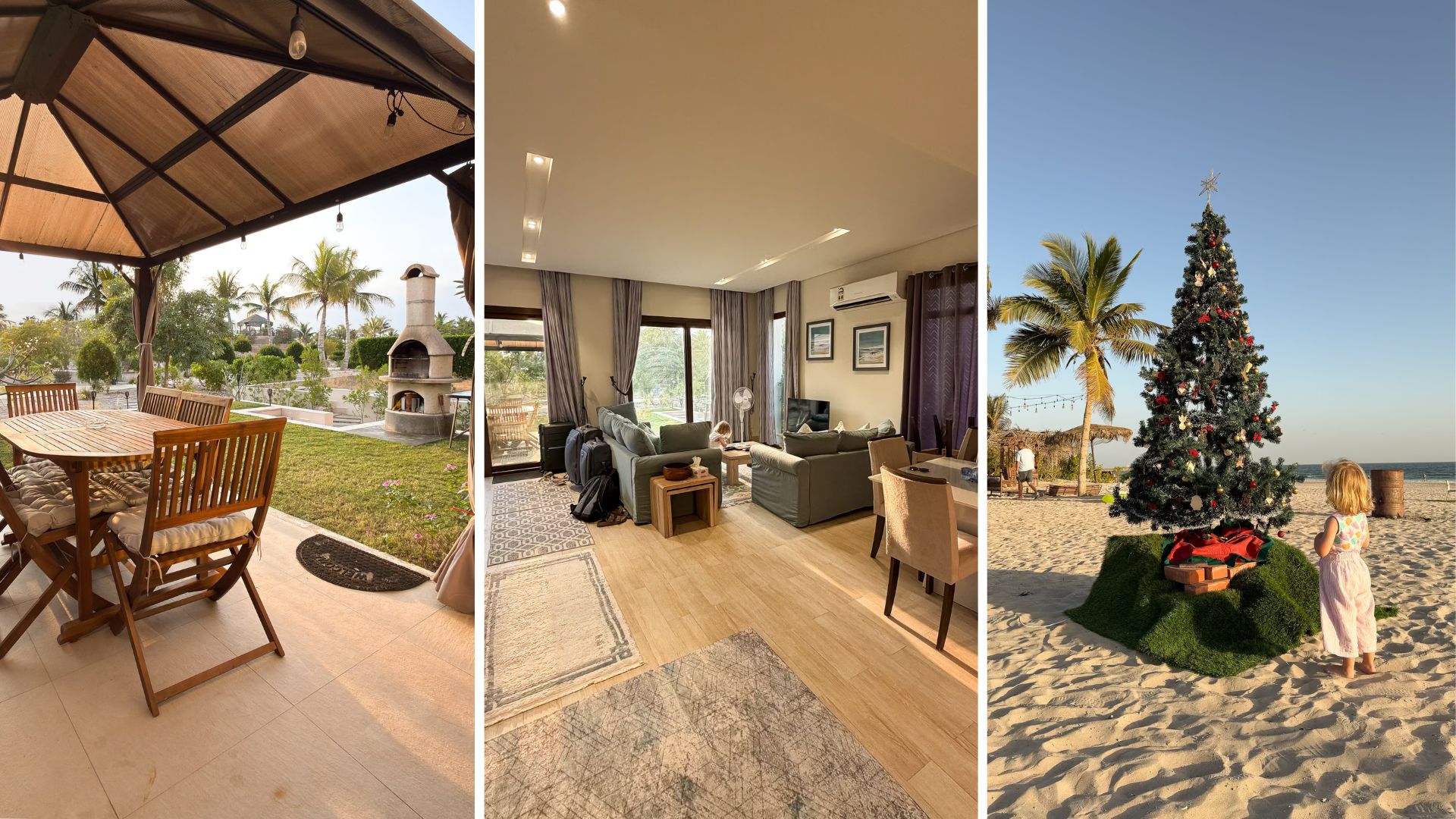
We spent a week in a modern and exceptionally spacious holiday home with a private garden, and it truly had everything we needed for a perfect stay.
The house was fully equipped with a washing machine, dryer, oven, microwave, toaster, and plenty of kitchenware.
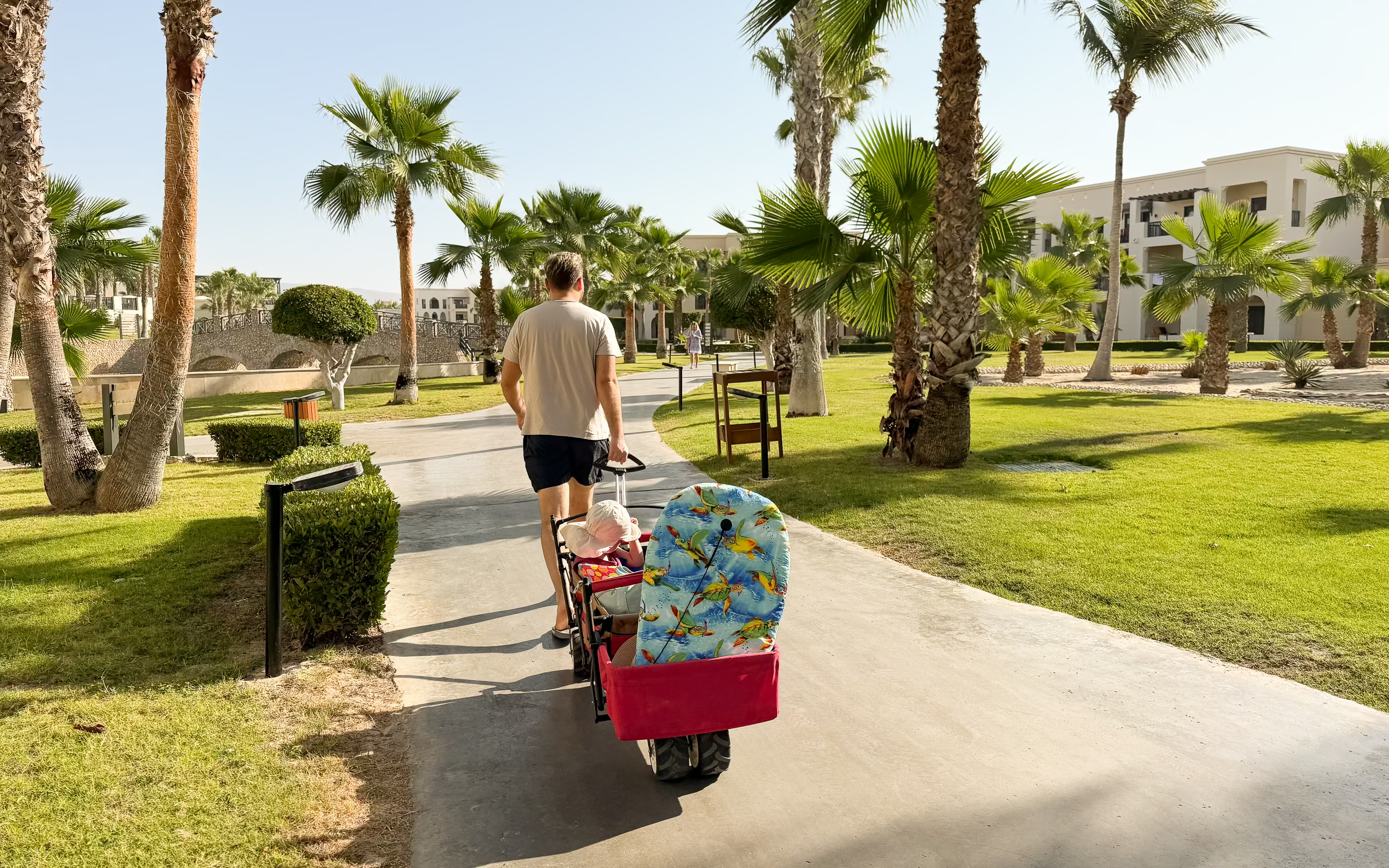
It also included a barbecue in the garden, a beach wagon, sun loungers for the beach, an e-scooter for getting around the resort, and direct access to the shared pool from the private garden. With three bathrooms and many thoughtful extras, this was without a doubt one of the best accommodations we stayed in during our Oman road trip. We would happily stay here again.
The holiday home was also the perfect base for exploring the diverse attractions around Salalah by rental car.


GETTING AROUND SALALAH
If you're planning a relaxing beach vacation in Salalah, you'll probably spend most of your time at your hotel or accommodation.
For the occasional excursion, you can easily get around by taxi or book guided tours through providers such as getyourguide.
However, if you want to explore more of the region, we highly recommend renting a car.
The distances between attractions and activities are often quite long, making it impractical to get around on foot.
We booked our rental car through DiscoverCars and can recommend the platform for its excellent value for money.
For more detailed information about driving in Oman, be sure to read our blog post, "Driving in Oman: Car Rental Tips, Road Conditions & What to Know."
BEST THINGS TO DO IN SALALAH
SULTAN QABOOS MOSQUE
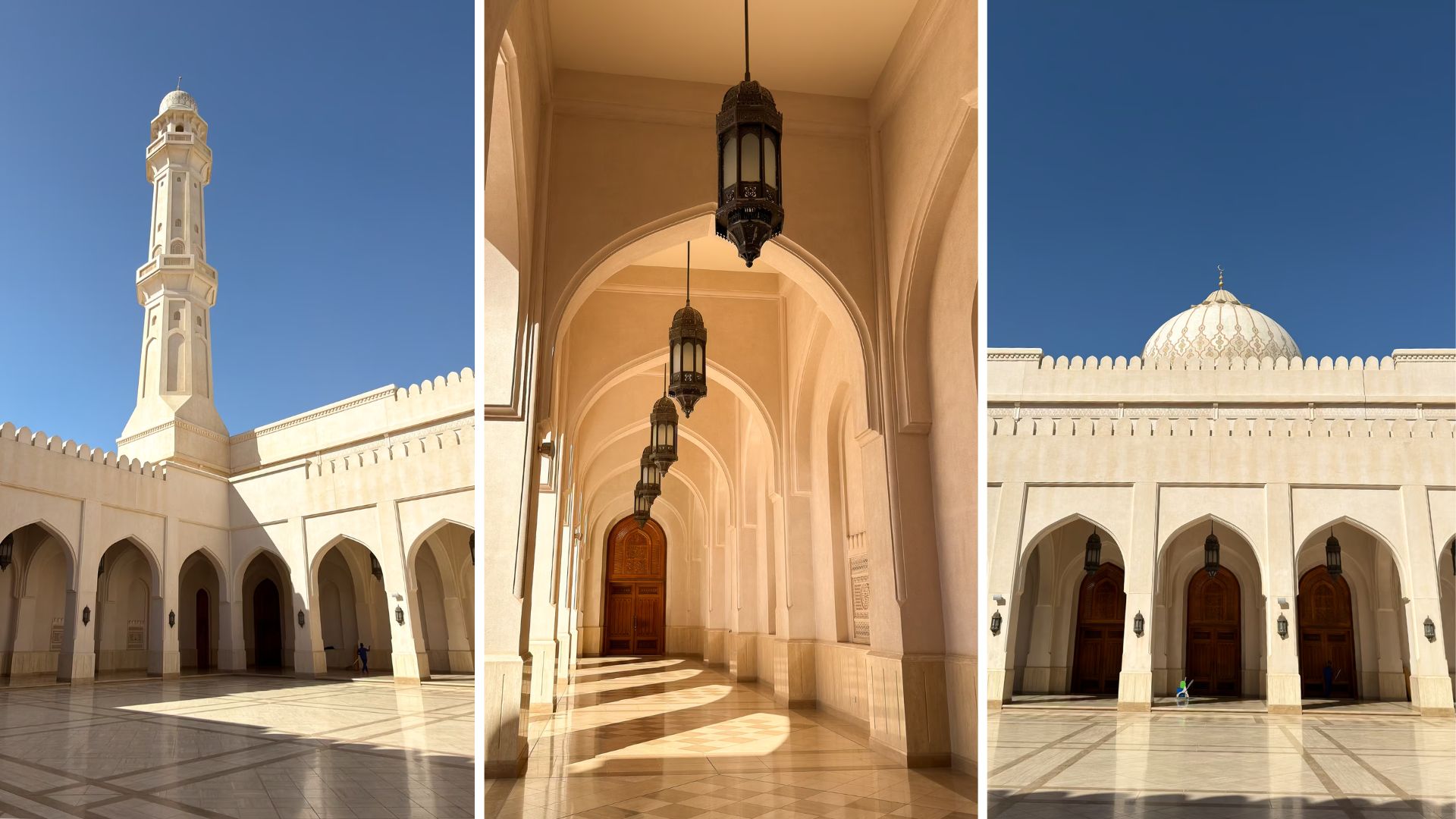
The gleaming white Sultan Qaboos Mosque is located in the heart of Salalah and is often referred to as the smaller sister of the famous Sultan Qaboos Grand Mosque in Muscat.
Its two impressive minarets make it visible from afar, and it is considered one of the region's most important religious landmarks.
One of the mosque's most striking features is its 36-meter-high central dome. The interior is equally impressive, with a spacious prayer hall, a massive handwoven carpet, and magnificent chandeliers creating a peaceful yet awe-inspiring atmosphere. The mosque can accommodate up to 3,200 worshippers.
Admission is free. Non-Muslim visitors are welcome every morning except on Fridays, when the mosque is reserved for worship. Modest clothing is required.
Shoulders and knees must be covered, and women are asked to wear a headscarf. The dress code is checked at the entrance.
FRANKINCENSE MUSEUM
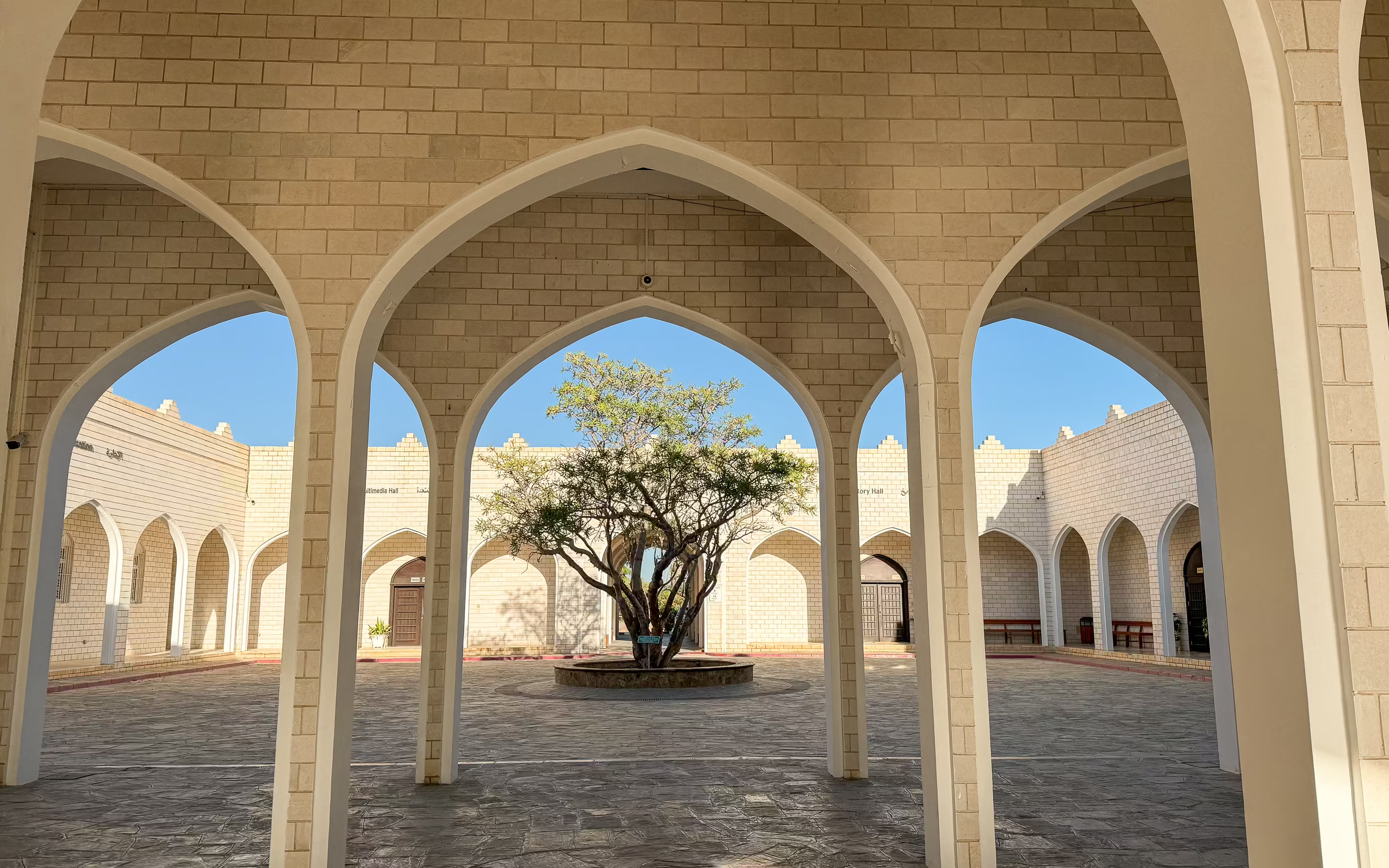
The origins of frankincense can be traced back to the region around Salalah, so it's no surprise that you'll find a museum dedicated to this precious resin here.
In fact, you'll quickly become familiar with the scent of frankincense throughout your trip to Oman. It's almost impossible to avoid.
As soon as you arrive at the airport, the distinctive aroma greets you, with incense burners filling the terminal with fragrant smoke.
The Museum of the Frankincense Land offers fascinating insights into the history and cultural significance of frankincense.
The museum is divided into two sections: the History Hall and the Maritime Hall. Inside, you'll learn about the different types of frankincense, its importance in Omani culture, and the key role it played in regional and international trade.
It's worth noting that the museum isn't solely dedicated to frankincense. A significant part of the exhibition focuses on Oman's rich maritime history, which played a crucial role in shaping trade across the region for centuries. You'll also find interesting exhibits covering the country's history and geography.
The museum grounds are also home to the Al Baleed Archaeological Park, a UNESCO World Heritage Site.
The archaeological ruins can easily be explored alongside your museum visit, as admission to the site is included in the museum ticket.
The museum is open daily from 9:00 am to 7:00 pm. On Fridays and Saturdays, opening hours are reduced from 3:00 pm to 7:00 pm. Admission costs 3 OMR.
Visitors are required to wear modest clothing, with shoulders and knees covered. The dress code is checked at the entrance.

SALALAH CENTRAL MARKET
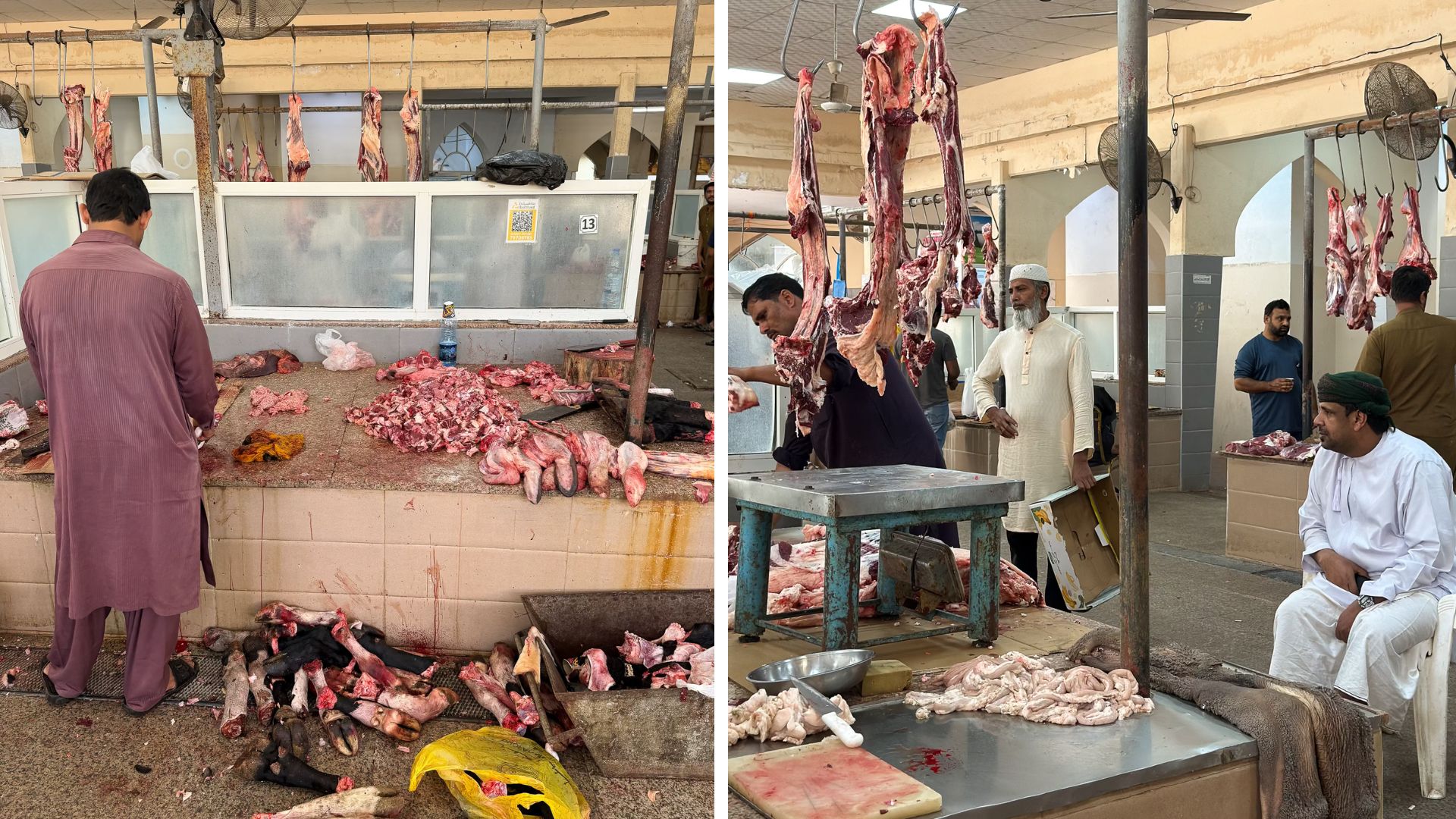
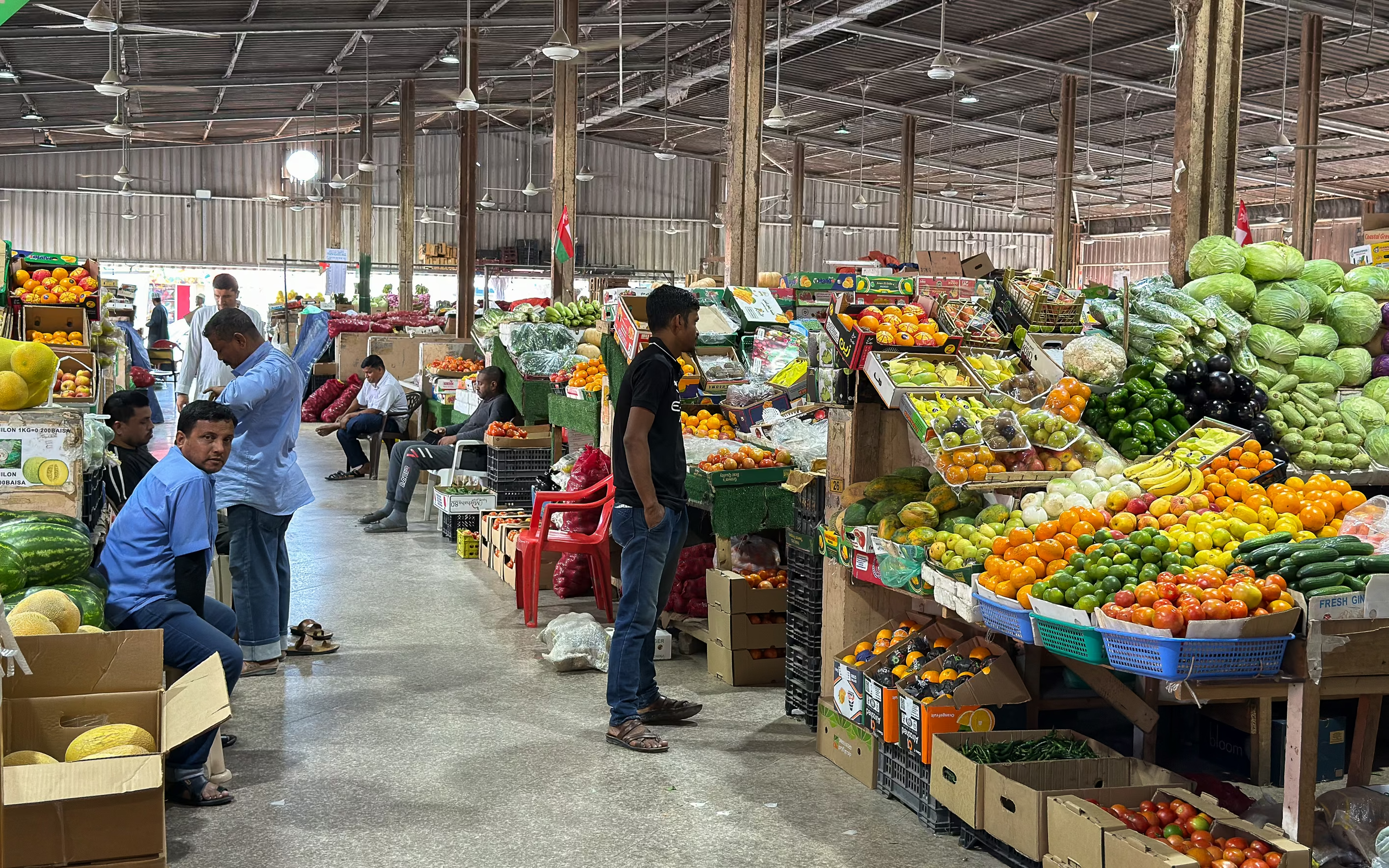
Located just a few minutes' drive from the Sultan Qaboos Mosque, Salalah Central Market is divided into several sections. In addition to fresh fruit and vegetables, you'll find a fish market as well as a meat hall with an on-site butchery.
This part of the market is definitely not for the faint-hearted. Animal heads, legs, and various cuts of meat are displayed openly, with much of it lying uncovered on the work surfaces.
Combined with the strong smell, it can be quite an intense experience for some visitors. The butchers work skillfully among large cuts of meat, preparing their products with impressive efficiency.
While some travelers may find this section unsettling, we saw it as an authentic glimpse into everyday local life.
Although the market is largely frequented by men, nobody seemed bothered by us taking photos. On the contrary, we found the atmosphere to be welcoming and relaxed.
The vendors were friendly and respectful, and whenever we politely declined an invitation to browse or buy something, they immediately respected our decision.
As always, remember to photograph respectfully to show consideration for both the people and local traditions.
The Central Market is open daily from morning until evening. Fridays and Saturdays tend to be quieter, so if you'd like to experience the market at its liveliest, it's best to visit on a weekday.

AL-HUSN SOUK
In our opinion, Al-Husn Souk is a very modern market that has little in common with the bustling traditional souks you might expect in Oman.
Instead of narrow alleyways and lively market stalls, the atmosphere feels more like a modern shopping complex. You'll find frankincense, jewelry, textiles, spices, and many other products here, although prices tend to be on the higher side. The area also features several modern cafés and small restaurants.
For that reason, we didn't find the souk itself particularly worth visiting. The surrounding area, however, is a different story.
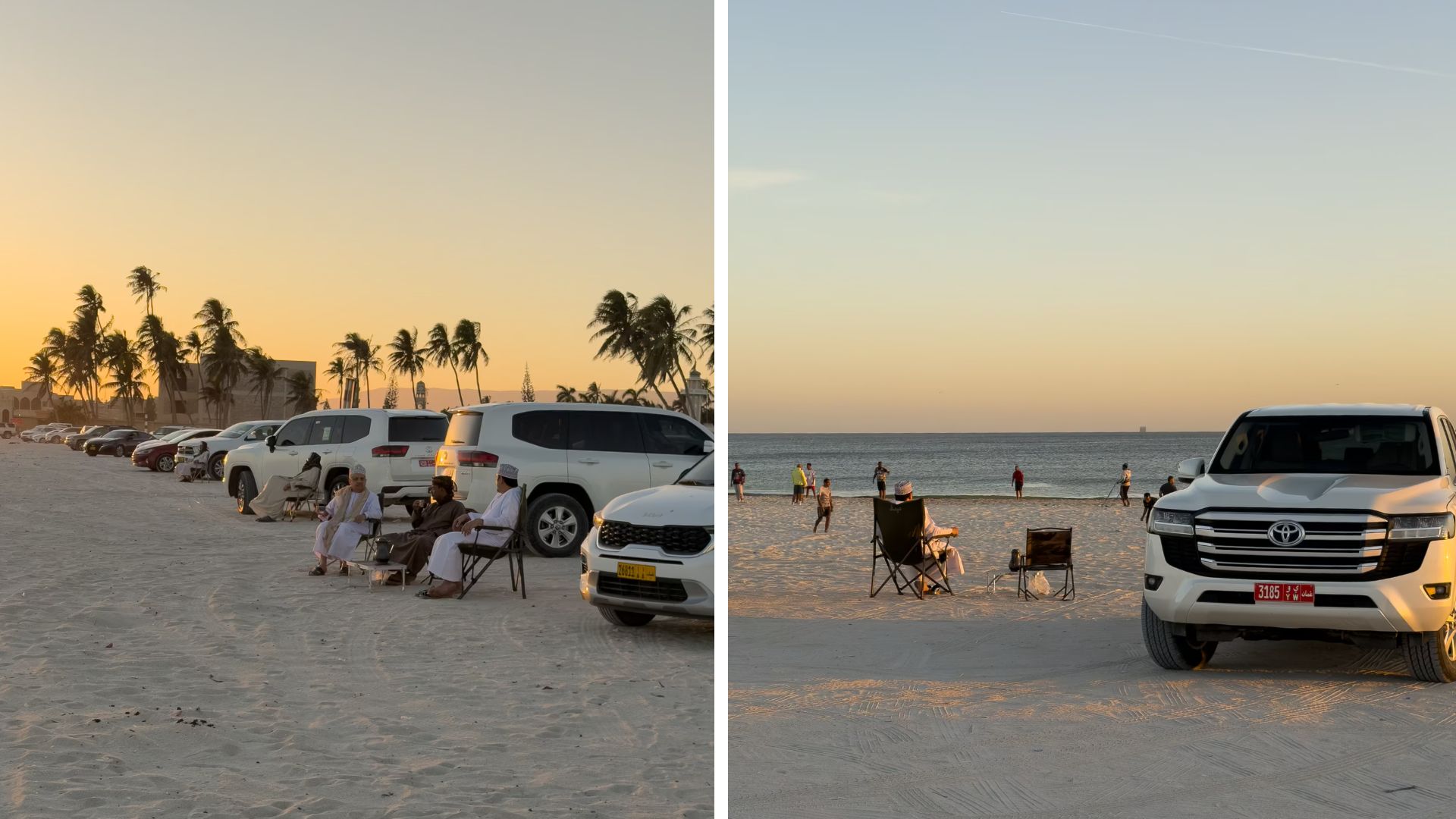
Directly in front of the market is a beautiful stretch of beach that comes to life in the late afternoon and around sunset.
It's a wonderful place to experience everyday life in Oman, as families and groups of friends gather to drink tea, share dates, chat, play football and other sports, or simply spend time together by the sea.
Just across the parking lot to the right of Al-Husn Souk, you'll find the much more authentic Al Haffa Souk, which is well worth a visit.
AL HAFFA SOUK
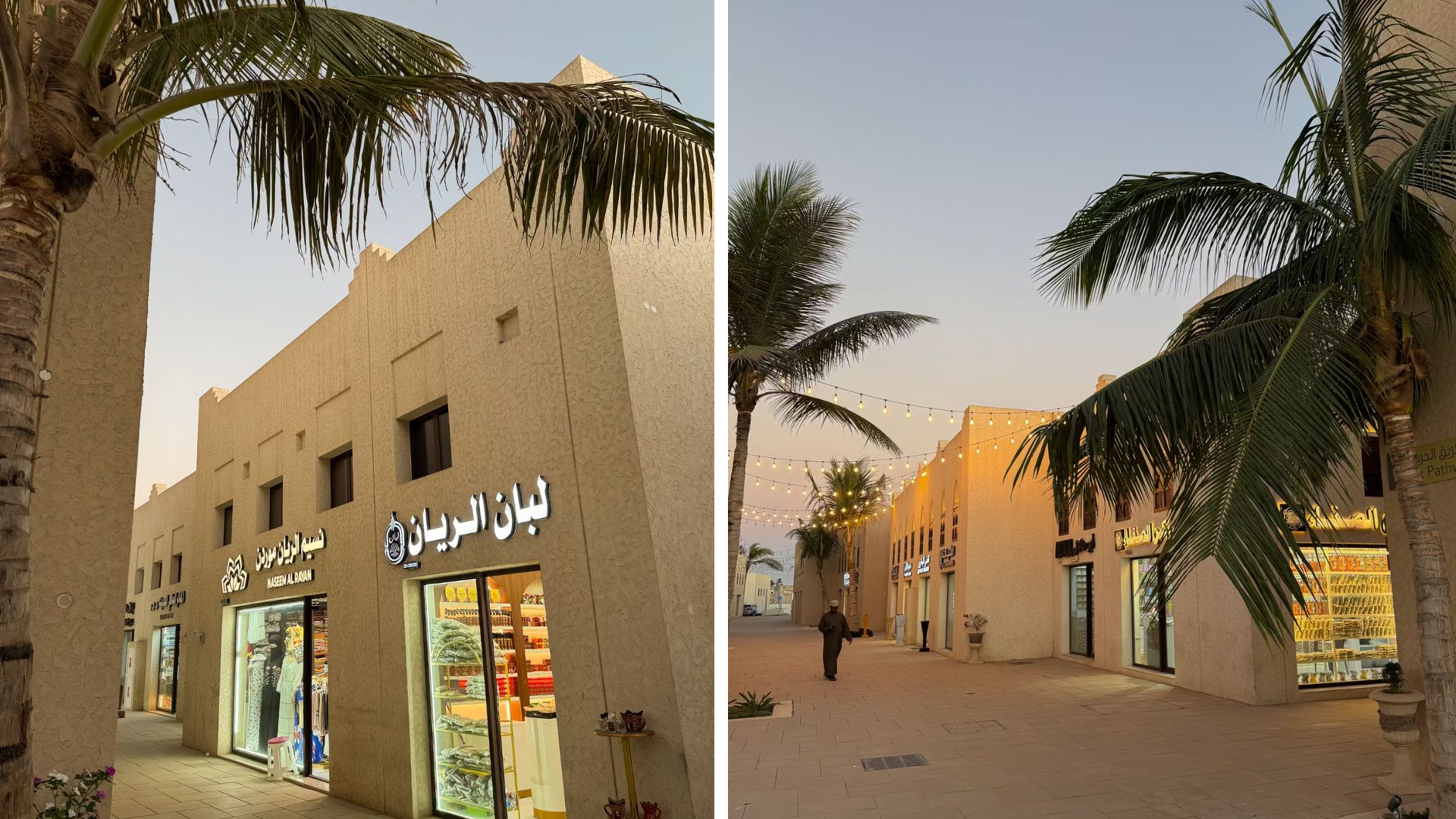
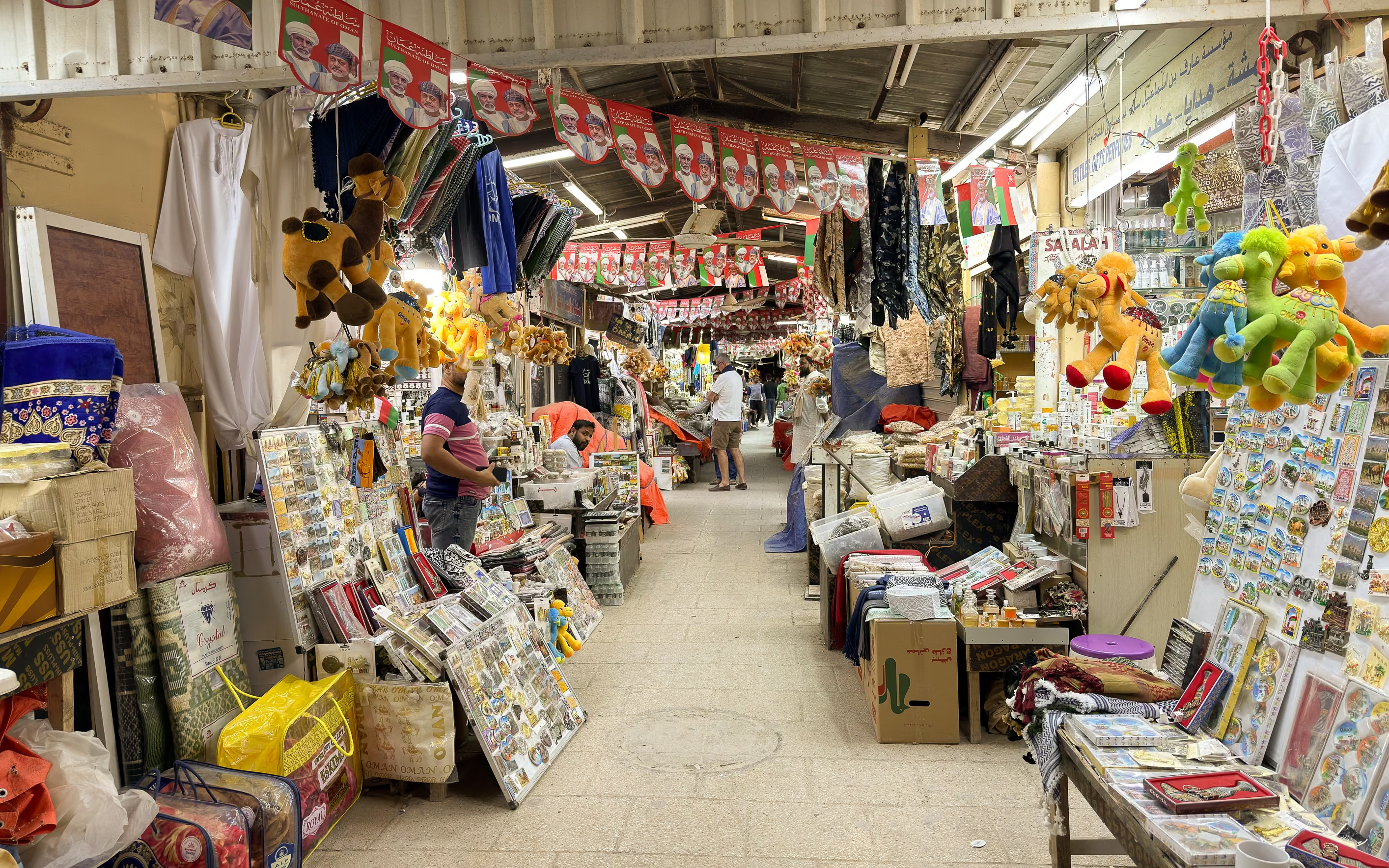
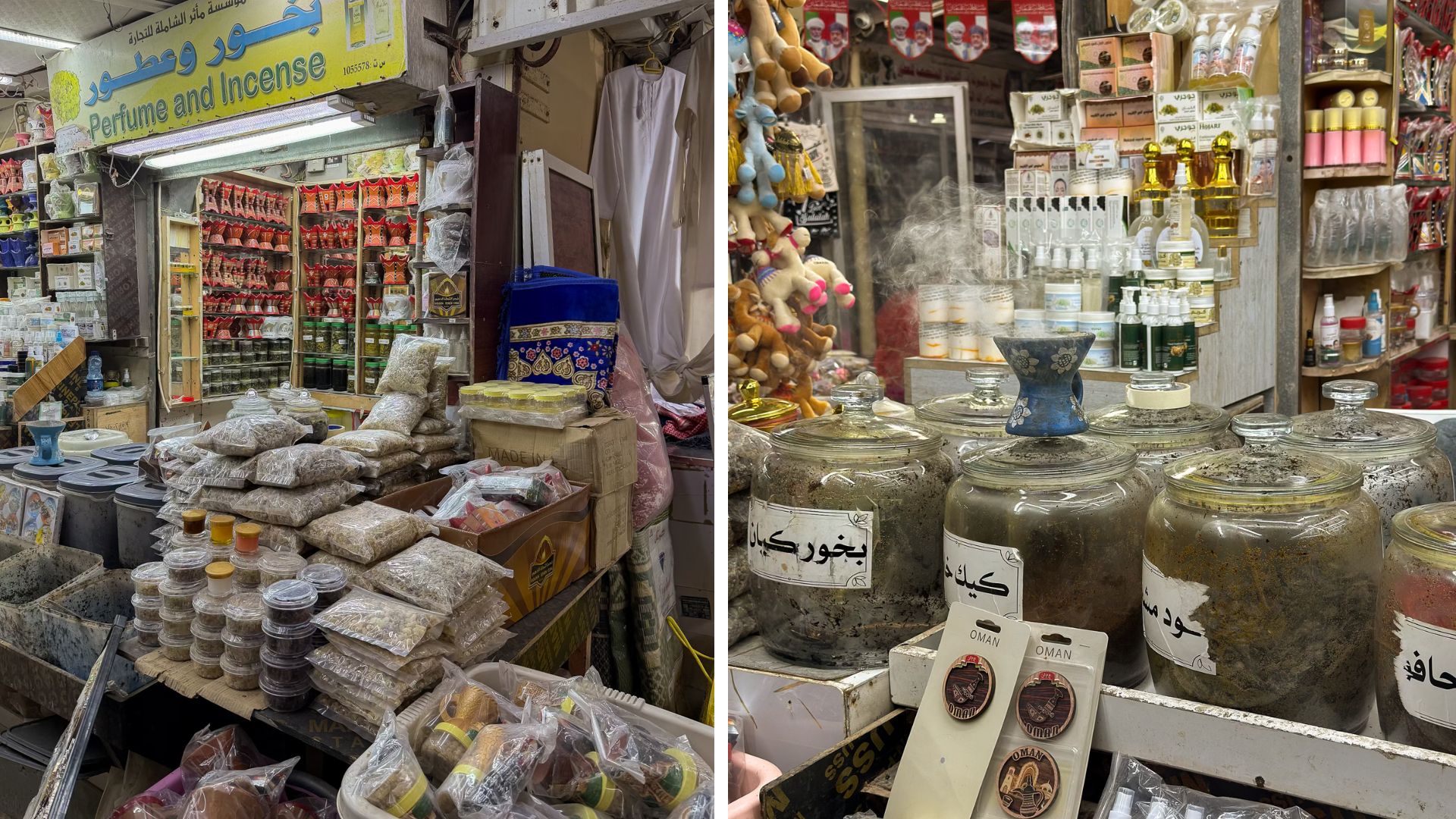
Al Haffa Souk has been around much longer than Al-Husn Souk, and you can immediately notice the difference. It has retained its traditional character and authentic charm.
Since both markets are only a short walk from each other, it's well worth visiting both.
At Al Haffa Souk, you'll find a wide selection of frankincense, perfumes and traditional fragrances, scarves, bags, shawls, textiles, and plenty of souvenirs.
The souk really comes to life in the late afternoon. Many of the stalls remain closed during the morning and around midday, so it's best to visit later in the day.
SALALAH SHOPPING MALLS
In a country where the intense heat and strong sunshine often determine the daily routine, shopping malls are an essential part of everyday life.
Salalah's malls are modern, spacious, and exceptionally well air-conditioned. In fact, they were sometimes so cool that we ended up putting on a light jacket while shopping.
For locals, these malls are much more than just places to shop. They're popular gathering spots where people meet for coffee, enjoy meals together, or take their children to the indoor play areas.
You'll find just about everything here, from international fashion brands and large supermarkets to a wide variety of restaurants and cafés.
Families will also appreciate the extensive children's entertainment areas, some of which even feature indoor roller coasters.
Our favorites were Salalah Gardens Mall and Salalah Grand Mall.
FRUIT & VEGETABLE PLANTATIONS
The region around Salalah is famous for its fruit and vegetable plantations, which thrive thanks to the Khareef monsoon season.
Common crops include bananas, watermelons, papayas, mangoes, and coconuts. Depending on the season, you'll also find pomegranates, pineapples, dragon fruit, and star fruit.
In addition, a variety of vegetables, potatoes, pumpkins, and fresh herbs are grown here.
Many of the plantations are irrigated using the traditional Falaj irrigation system. This centuries-old method, dating back more than 1,500 years, is recognized as a UNESCO World Heritage Site. Water is transported from mountain springs through an extensive network of channels, sometimes stretching for several kilometers, to supply the plantations.
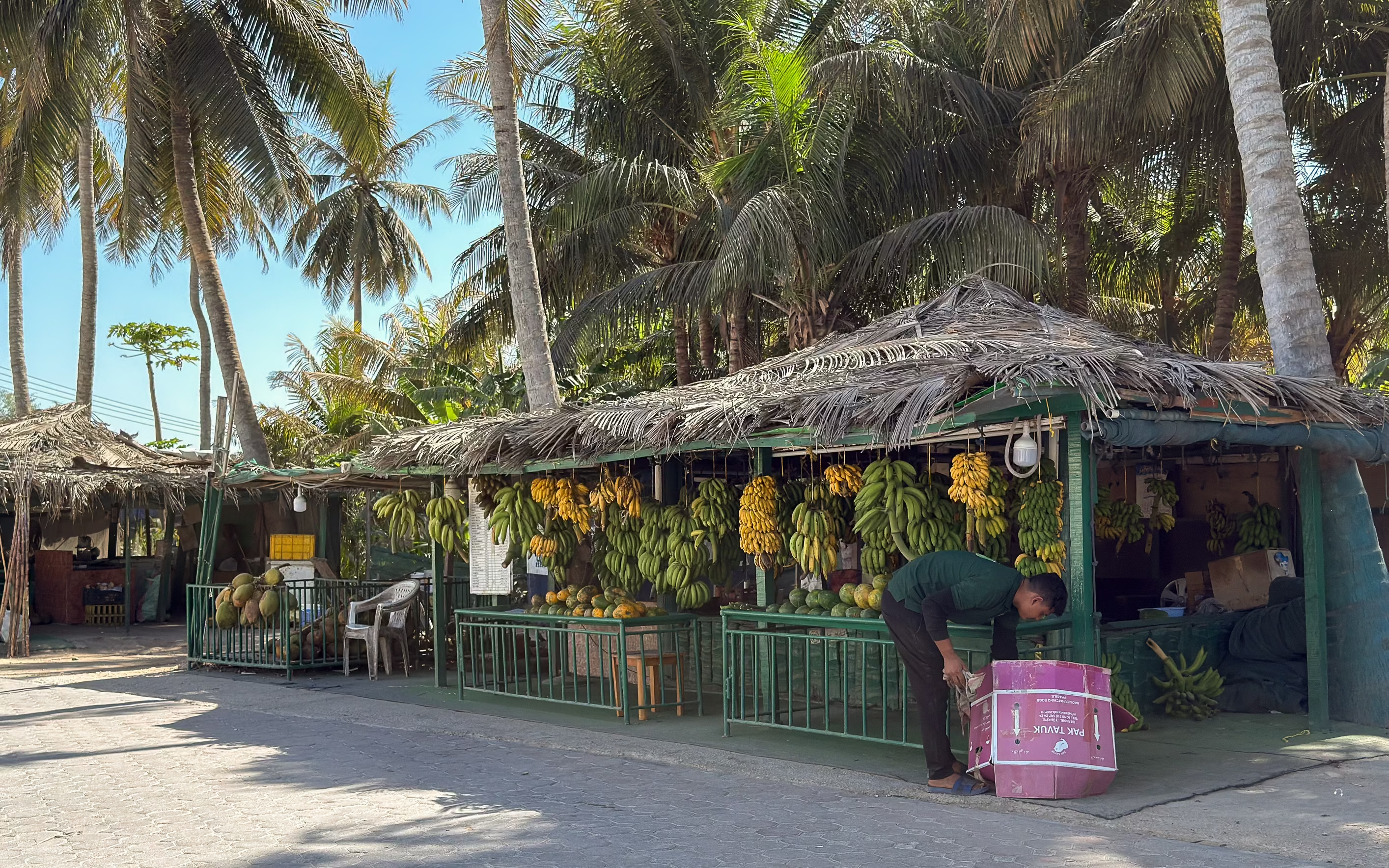
Some of the most lush plantations can be found around the Al Haffa district.
If you're looking to buy freshly harvested fruit and vegetables, this is the perfect place. Small roadside stalls line the streets, offering fresh local produce at very affordable prices.
Searching for "Coconut and Banana Shops" on Google Maps will take you to an area with numerous fruit stands. Most vendors accept cash only, so it's a good idea to carry some small change.

BEST THINGS TO DO AROUND SALALAH
The area surrounding Salalah is incredibly beautiful and, thanks to its unique monsoon climate, looks very different from the rest of Oman.
That's why it's well worth exploring the region beyond the city center by rental car.
DAHARIZ BEACH
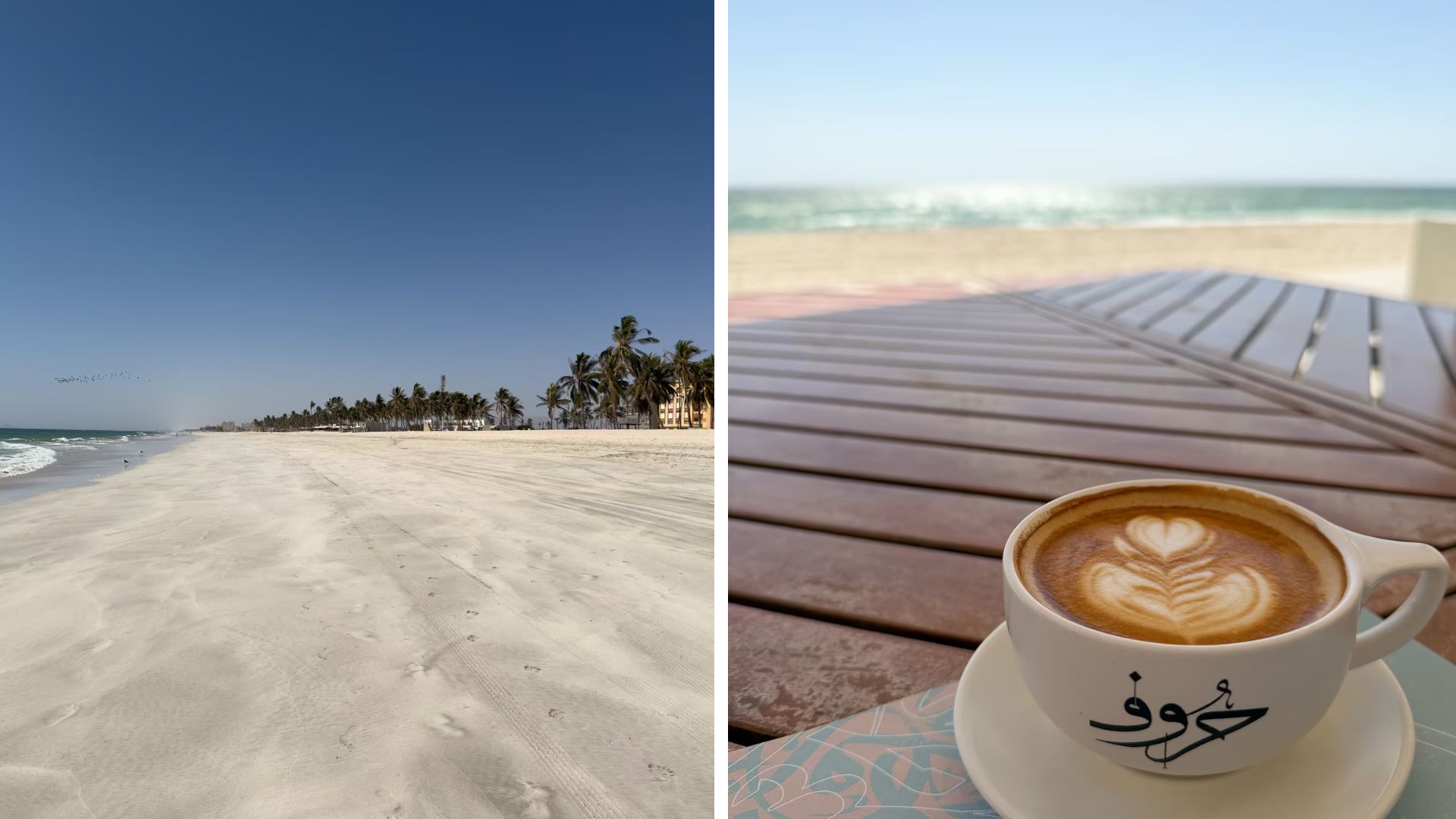
Located on the edge of Salalah, Dahariz Beach is a long stretch of fine, light-colored sand that offers plenty of space for relaxing walks and peaceful beach days.
Depending on which direction you're coming from, you'll find the Dahariz Bird Watching Point on one side of the beach.
This protected nature reserve provides a habitat for numerous bird species, including flamingos. If you're lucky, you may even spot them in the wild.
On the opposite side, you'll find The Beach Front, a seaside promenade lined with cafés and restaurants offering beautiful ocean views. It's a great place to relax and enjoy the scenery.
Keep in mind that there are no sun loungers or umbrellas available for rent, so be sure to bring your own beach gear.
Since this is a public beach rather than a private hotel beach, it's also important to wear modest swimwear out of respect for local customs.
MUGHSAIL BEACH
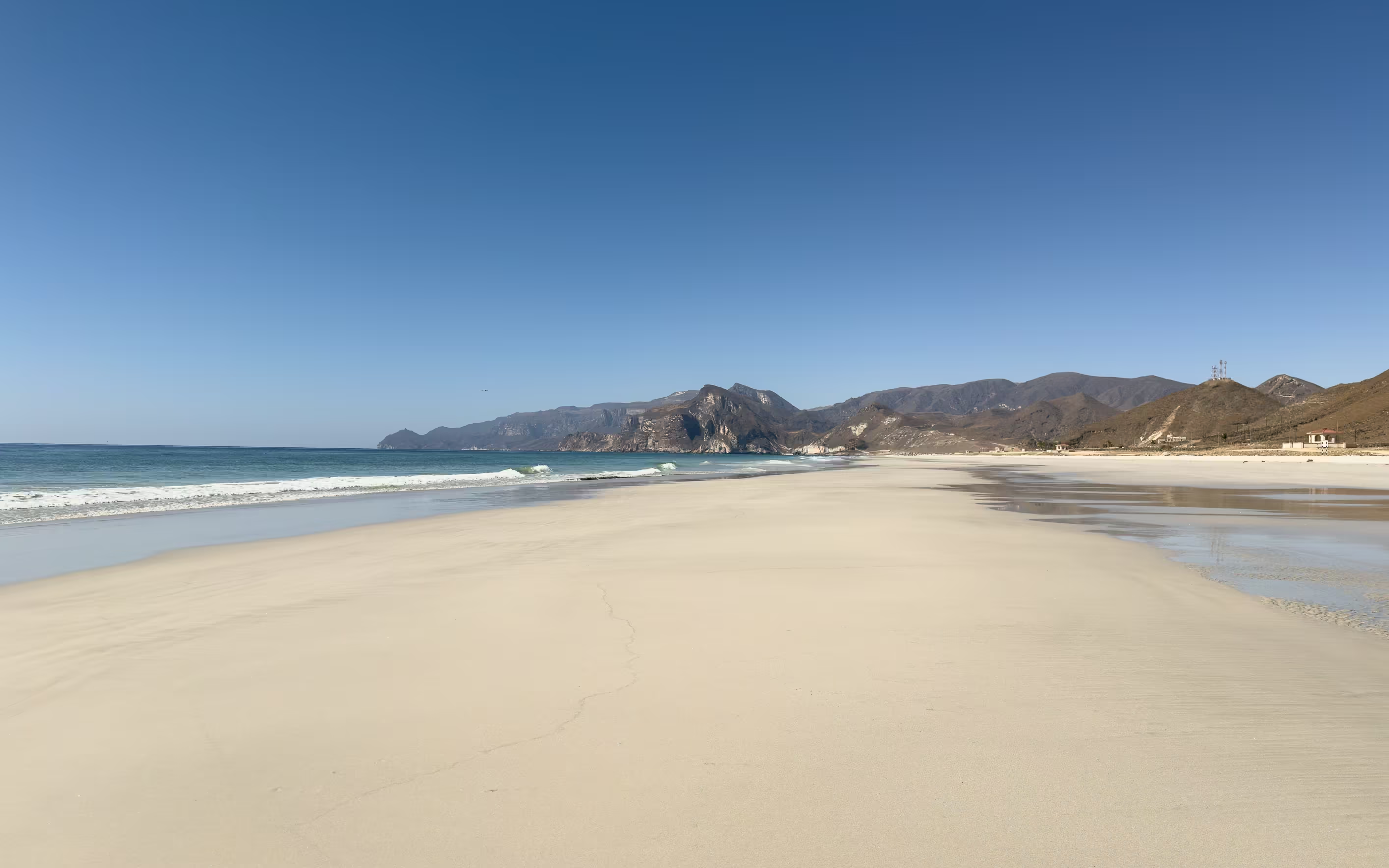
Mughsail Beach is located southwest of Salalah, around 40 kilometers from the city and approximately 115 kilometers from the Yemeni border.
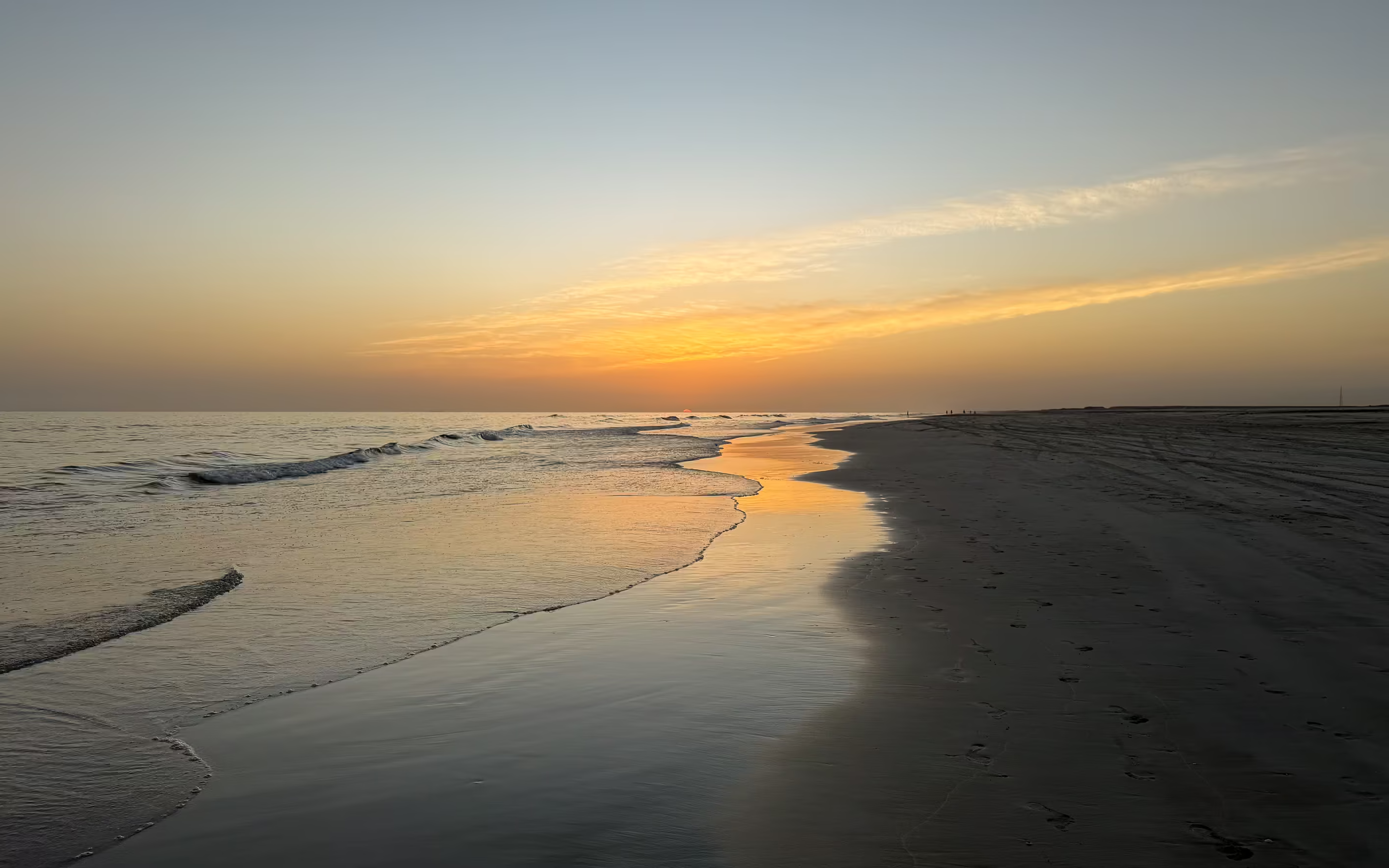
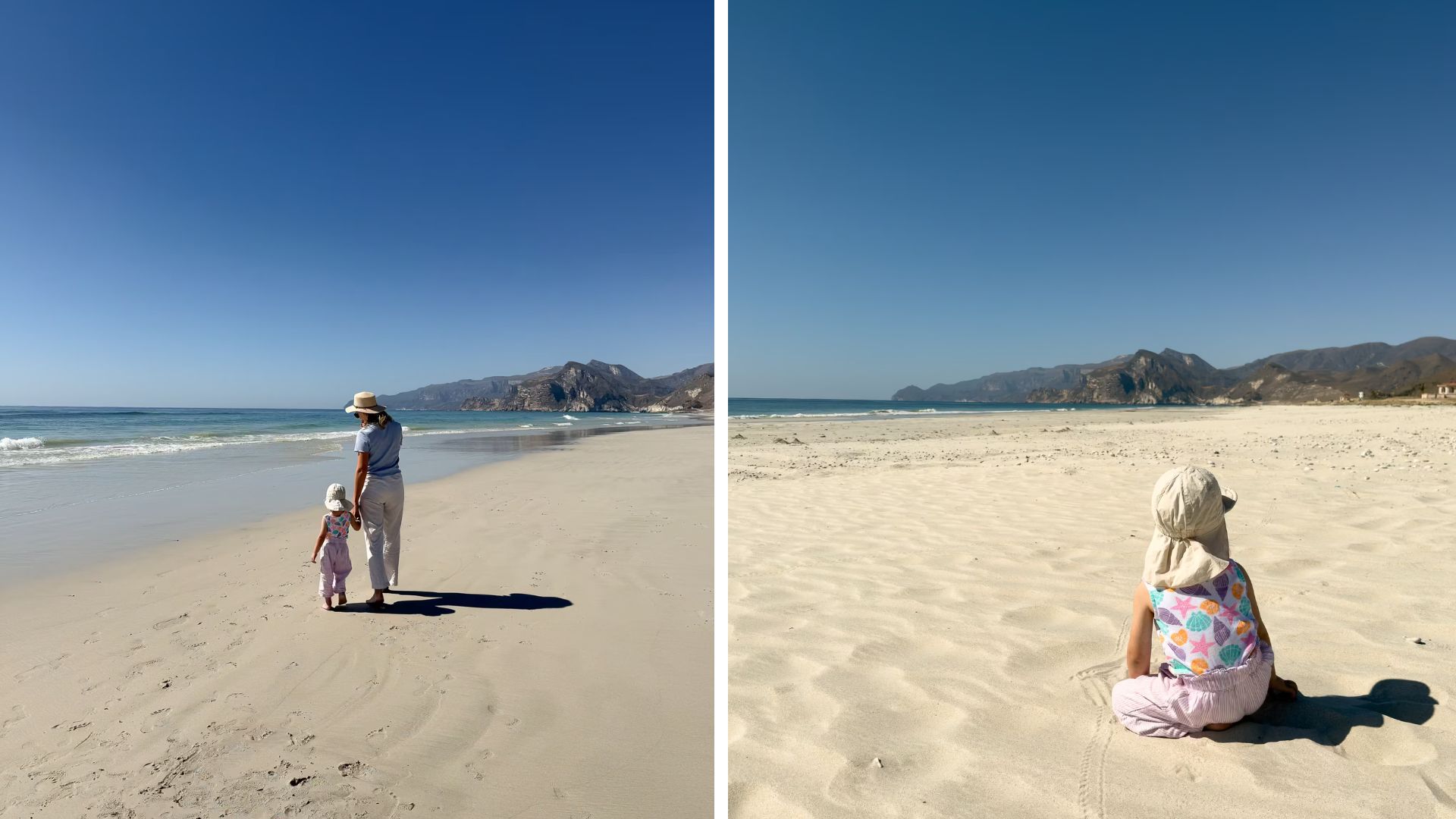
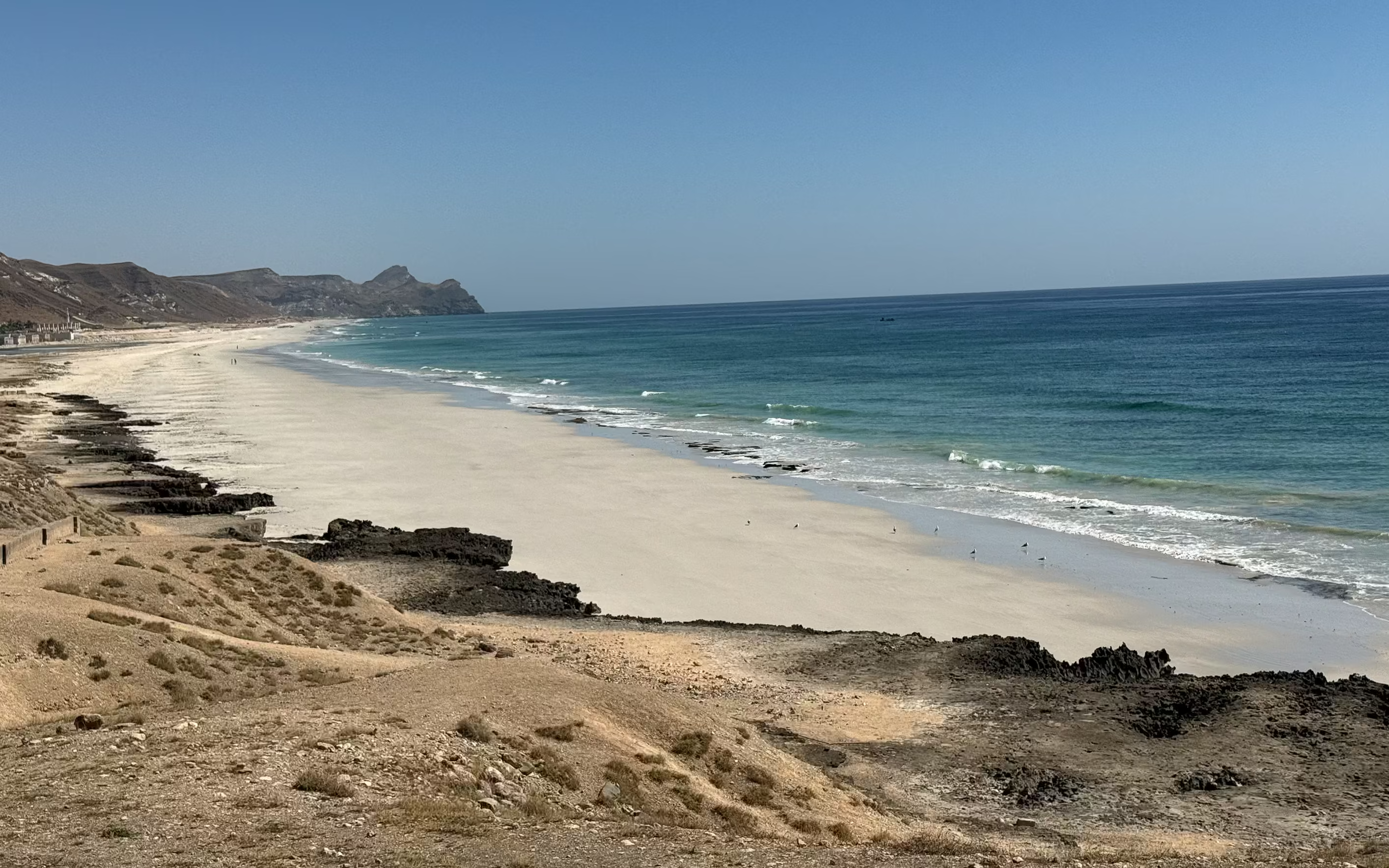
For us, it was without a doubt one of the highlights of the region. The wide, expansive beach, with its golden sand framed by dramatic cliffs and the deep blue waters of the Arabian Sea, is simply breathtaking.
We visited the beach on a weekday during the day and had almost the entire stretch of sand to ourselves. Apart from a few scattered picnic shelters, Mughsail Beach remains largely untouched and undeveloped. If you're planning to spend a few hours here, make sure to bring your own beach essentials, such as a sun umbrella or beach tent, towels, plenty of drinking water, and anything else you might need for a comfortable day by the sea.
The beach is said to be especially beautiful at sunset, when the surrounding cliffs glow in the warm evening light.
WADI ASHAWQ NATURE PRESERVE
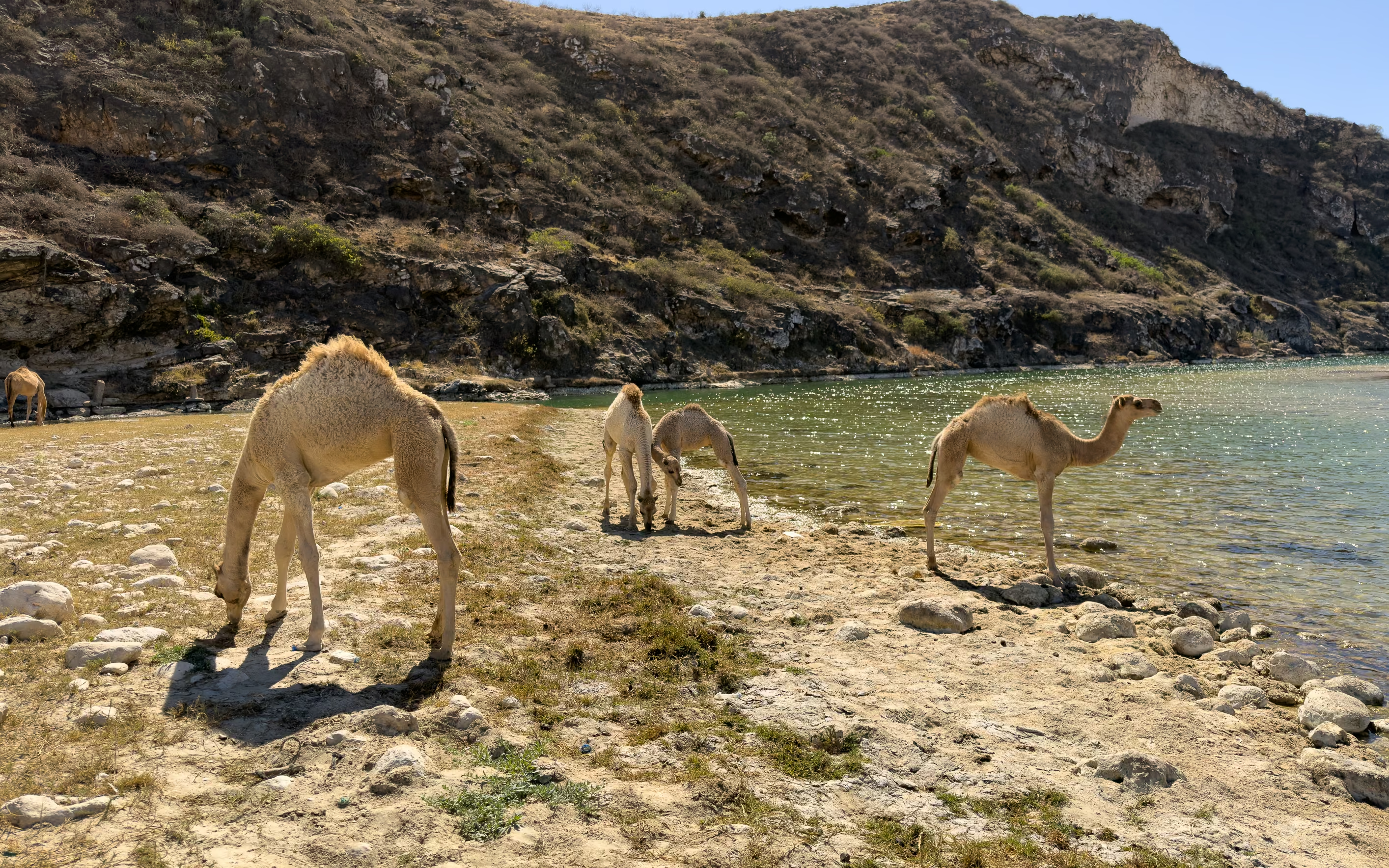
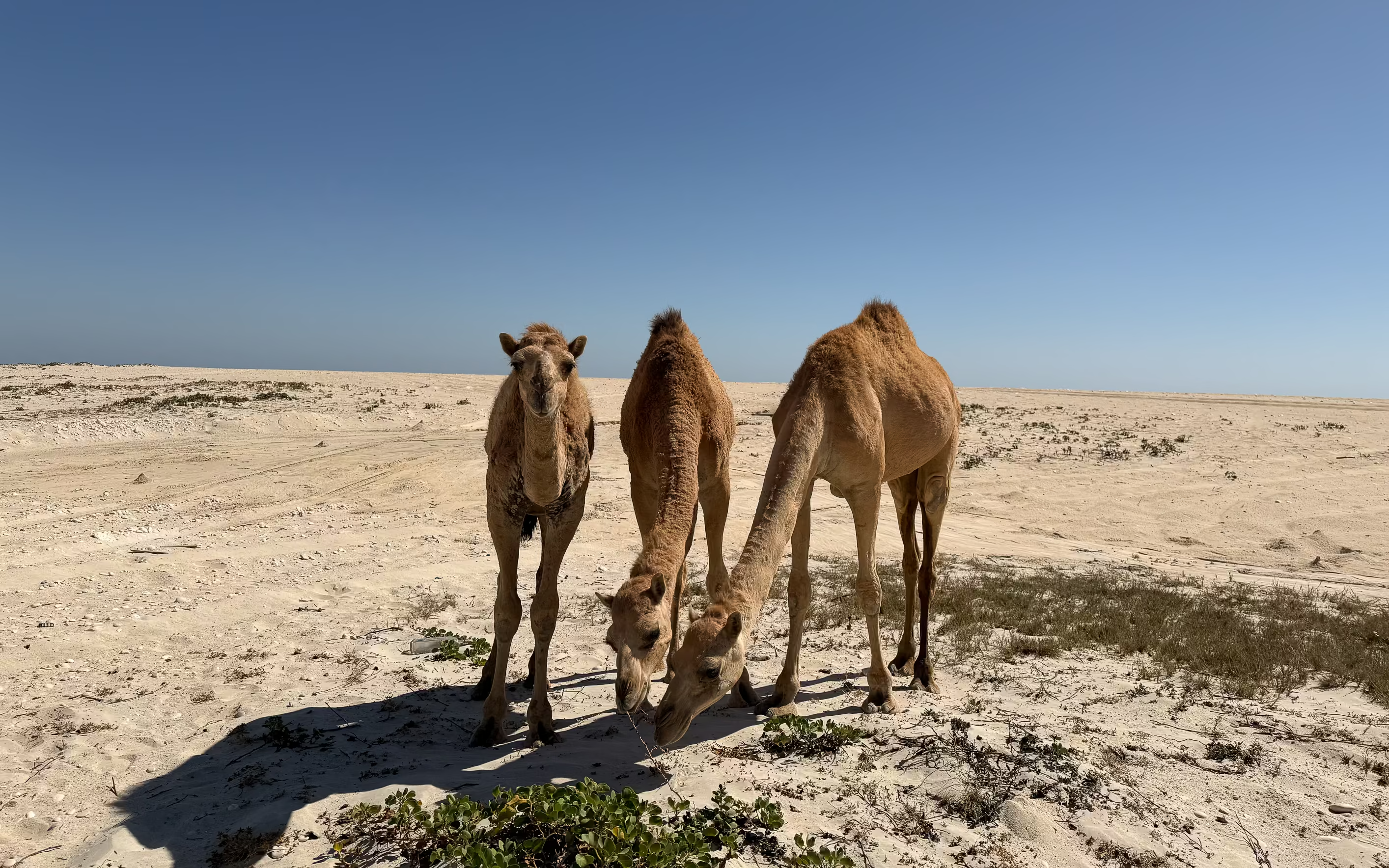
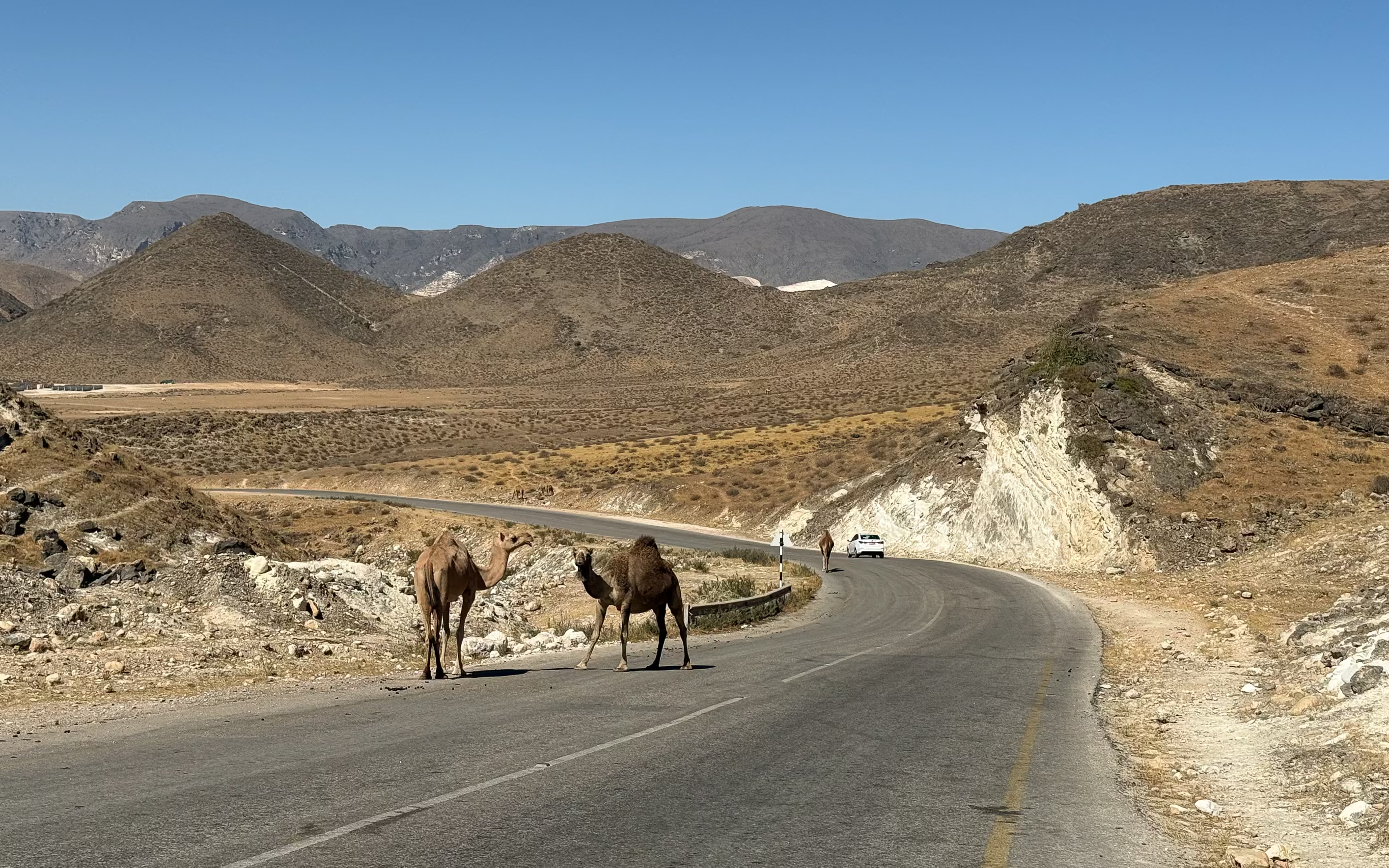
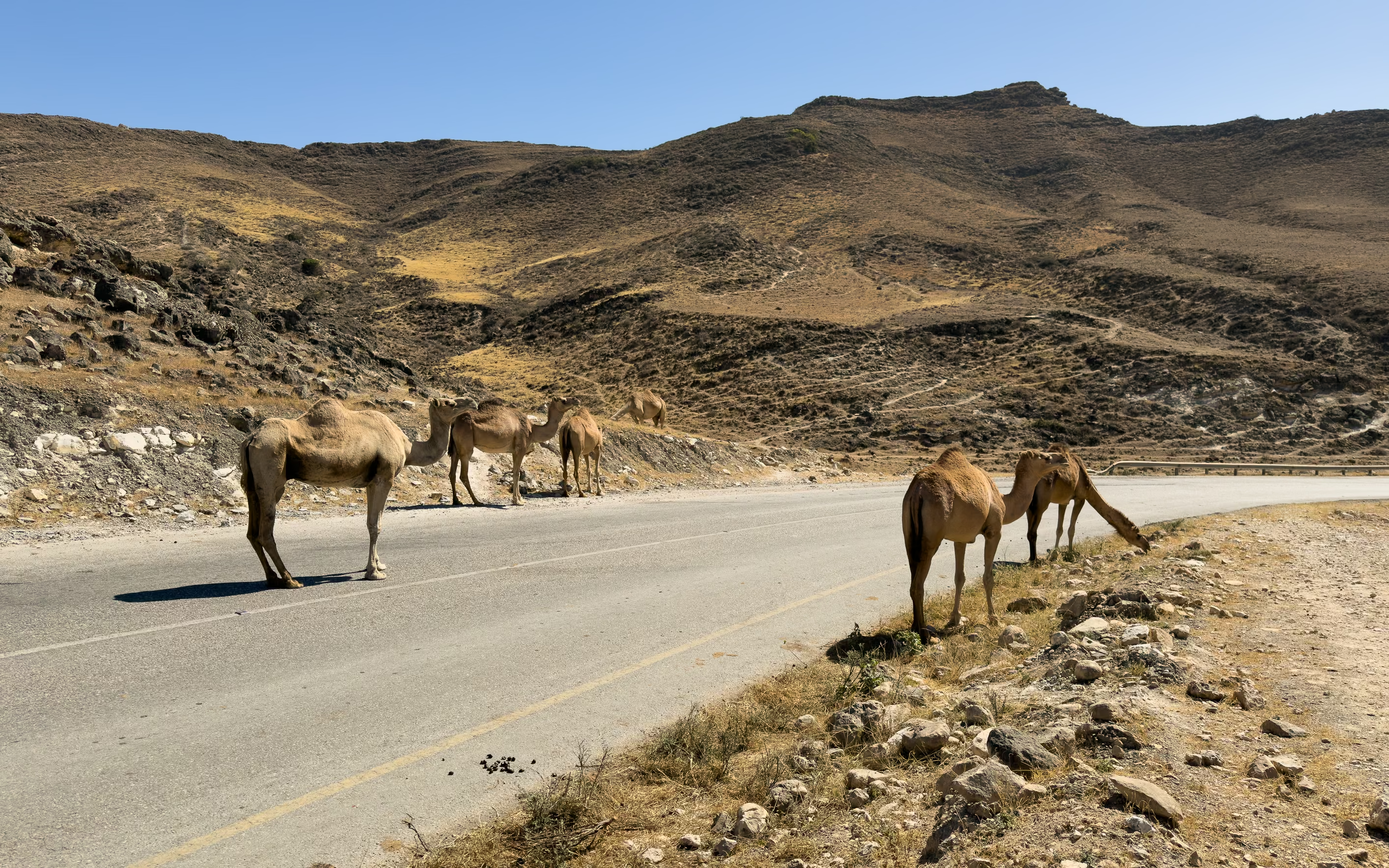
If you continue driving from Mughsail Beach toward Marneef Cave and the Blowholes, there's a very good chance you'll encounter numerous free-roaming camels along the way.
The animals live around the Wadi Ashawq Nature Preserve but frequently wander through the surrounding area during the day.
Be especially careful while driving, as camels regularly cross the road without hesitation and are completely unfazed by passing traffic.
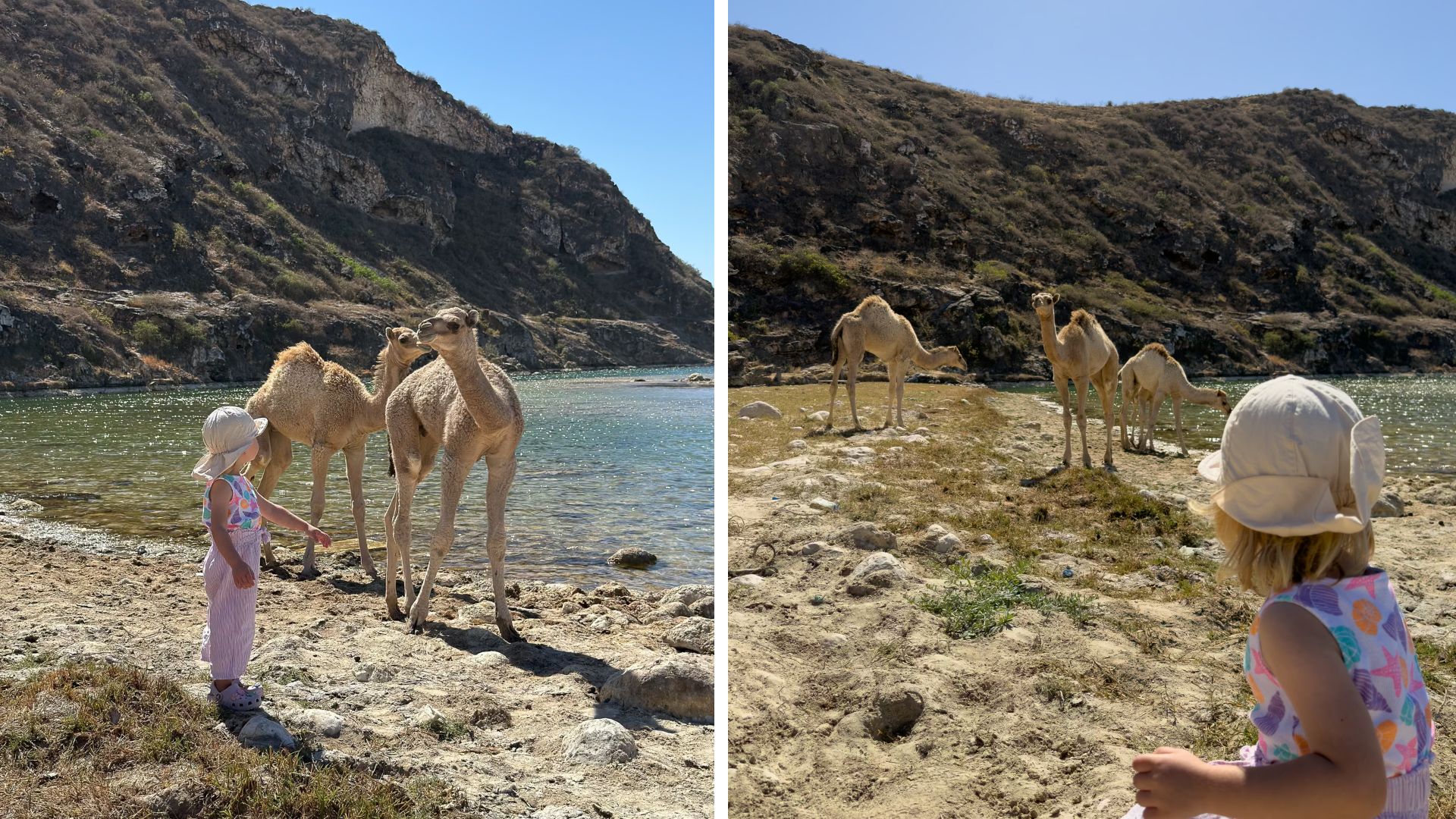
Looking back on our three-week road trip through Oman, we can honestly say that we didn't see as many free-roaming camels anywhere else in the country as we did here.
Many of the camels appear curious and surprisingly relaxed around people. Even so, it's important to remember that they are wild animals. Always keep a safe distance, especially if young camels are nearby.
MARNEEF CAVE & BLOWHOLES
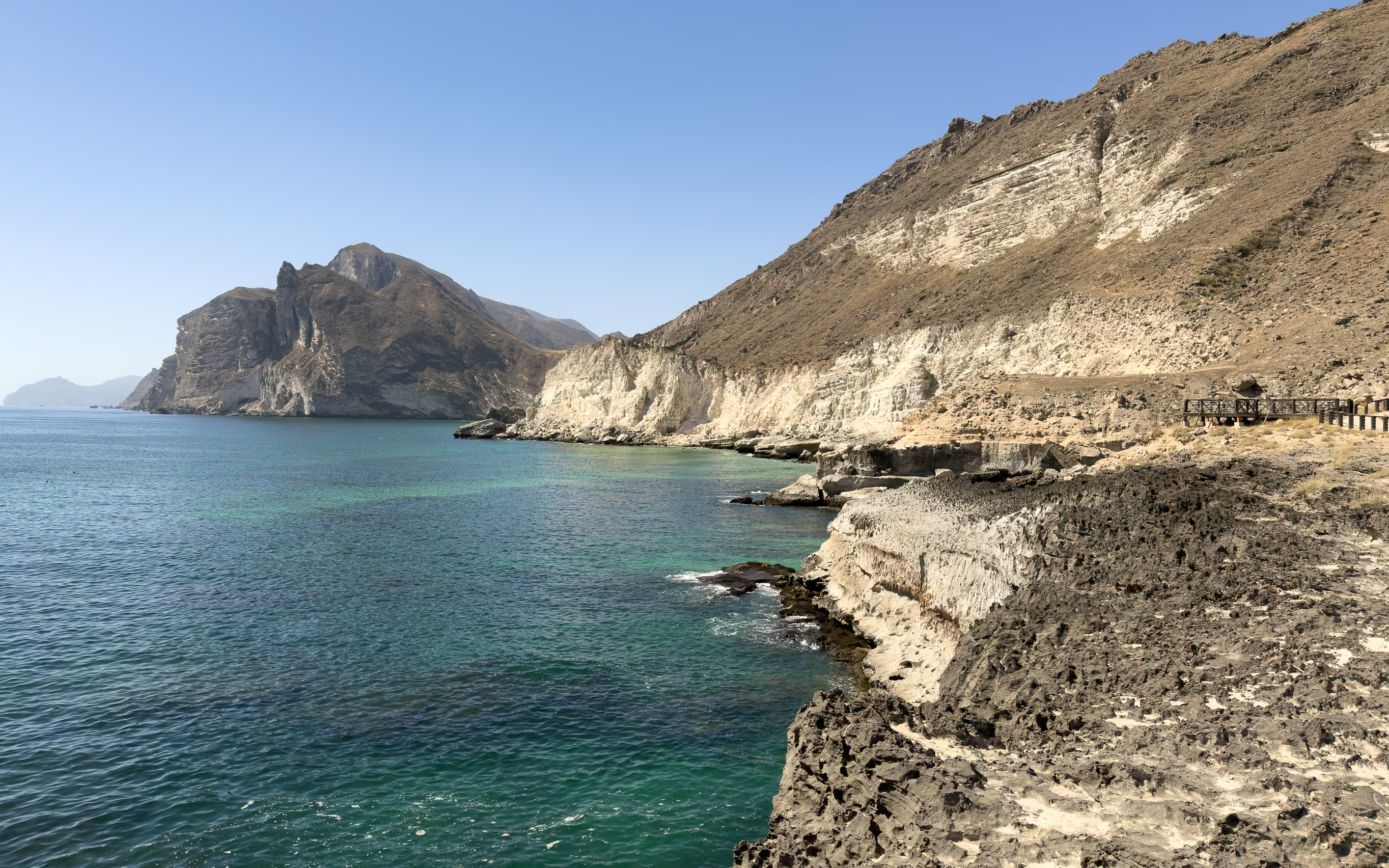
Marneef Cave, also known for its famous Blowholes, is one of the region's most fascinating natural attractions. With a bit of luck, you can witness a spectacular display as powerful waves force seawater through natural openings in the cliffs, sending fountains of water up to 10 meters into the air.
To experience this phenomenon, the sea conditions need to be just right. Your chances are highest during the Khareef monsoon season, when the waves are much stronger.
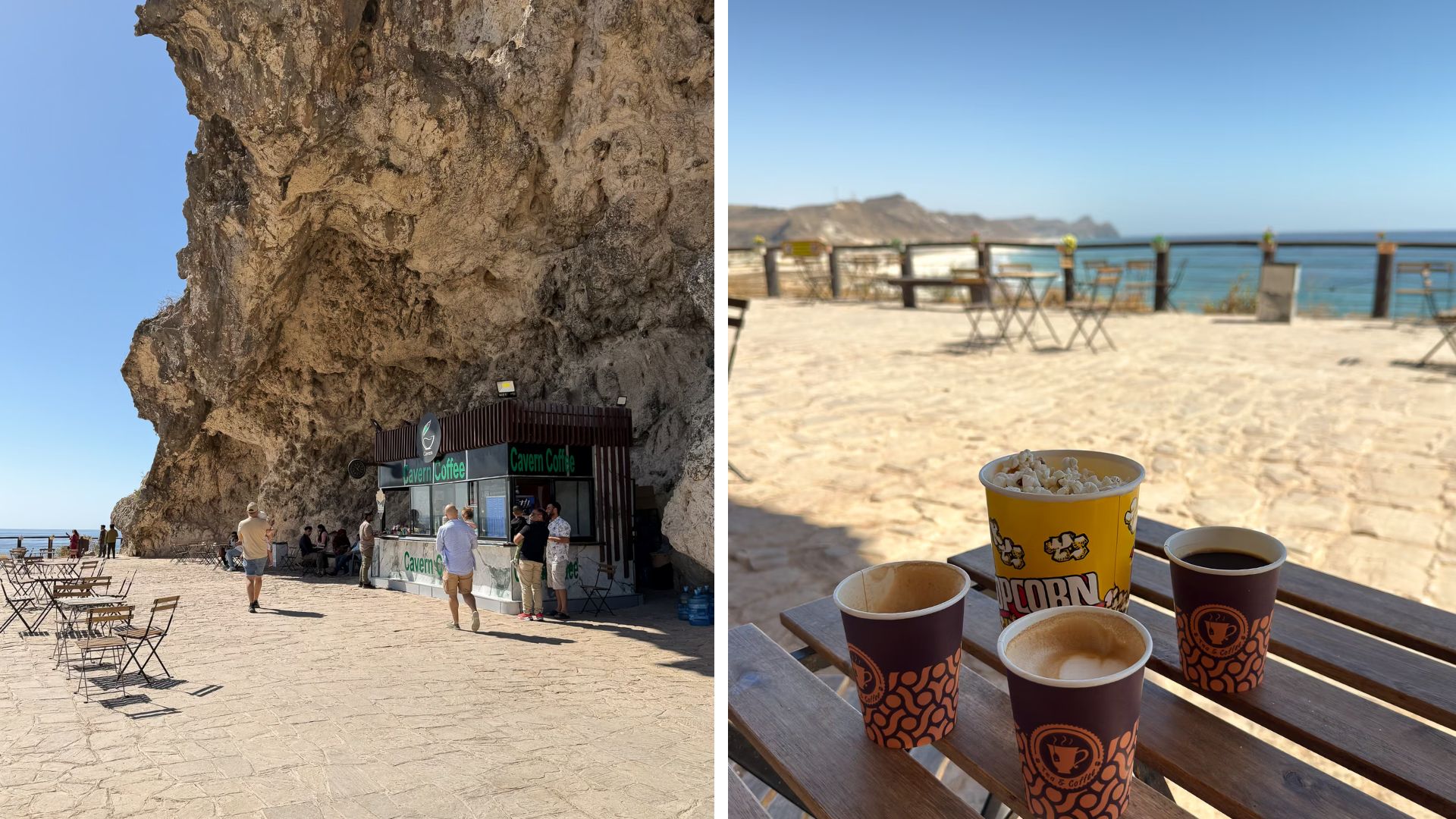
When we visited in January, the sea was relatively calm, so unfortunately we didn't get to see the blowholes in action. Even so, the stop was absolutely worthwhile, as the viewpoint offers breathtaking views of the rugged coastline and dramatic cliffs.
There's also a small, cozy café on site where you can relax and enjoy beautiful views of the Arabian Sea.
WADI DARBAT
Wadi Darbat is one of the best-known wadis in the Salalah region. During the Khareef season, monsoon rains transform the valley into a lush green landscape, and a beautiful waterfall cascades down the surrounding cliffs.
Another popular attraction is renting a pedal boat on the small lake, making it a fun activity for families and especially for children.
During the Khareef season, you'll also find many free-roaming camels grazing around the wadi, adding to the unique experience for visitors of all ages.
In the dry season, however, Wadi Darbat is much less spectacular. It's worth keeping this in mind before your visit to avoid unrealistic expectations.
WAS THIS POST NOT ENOUGH FOR YOU? ARE YOU LOOKING FOR MORE TIPS, INSPIRATION, AND PLACES TO SEE FOR YOUR OMAN TRIP? THEN MAKE SURE TO CHECK OUT OUR FOLLOWING POSTS:
- Discover Muscat: Sights & Tips for Oman’s Capital
- Oman with a Baby or Toddler: Tips, Useful Information & Our Experience
- Oman Road Trip Itinerary for Self Drivers
- Road Trip Through Northern Oman: Highlights Between Muscat, Coast, Wadis, Desert, and Mountains
- Driving in Oman: Car Rental Tips, Road Conditions & What to Know
USEFUL LINKS & RECOMMENDED TRAVEL GUIDES FOR YOU
- Discover the best accommodations
- Find affordable flights at skyscanner.com
- Find affordable rental cars at DiscoverCars
- The best Travel Guides for Oman
- Unique Excursions to Experience in Oman
Note: This blog post contains our personal recommendations in the form of so-called affiliate links. If you book or purchase something through these links, we earn a small commission. There is absolutely no change to the price for you.
Table of contents
Our Travel Destinations


Newsletter
Subscribe to our newsletter
Vielen Dank! Sie haben sich erfolgreich für unsere Updates angemeldet!
Oops! Etwas ist beim Absenden des Formulars schief gelaufen.
If you have any questions or additions to this blog post, feel free to send us a message.
Vielen Dank! Ihre Nachricht wurde erfolgreich gesendet, und wir werden Ihnen bald antworten!
Oops! Etwas ist beim Absenden des Formulars schief gelaufen.